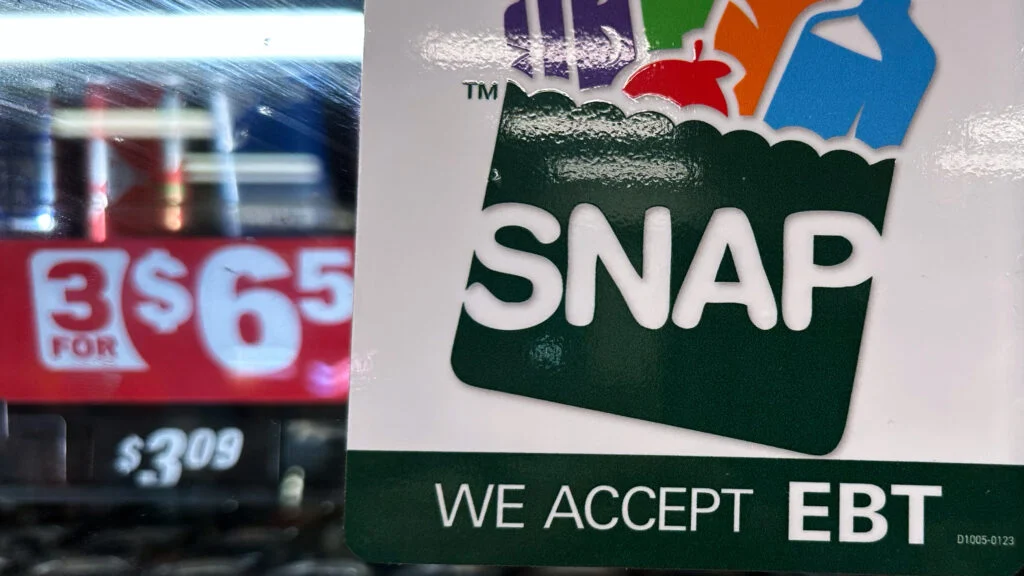
In a significant legal setback for the Trump administration’s ambitious public health agenda, a federal judge has ruled that the government lacks the authority to block Supplemental Nutrition Assistance Program (SNAP) benefits from being used to purchase candy, soda, and other sugar-sweetened beverages. The decision, handed down on Monday by U.S. District Judge Amy Berman Jackson, effectively nullifies restrictions currently in place or planned across 23 states, stalling a key pillar of the administration’s “Make America Healthy Again” initiative.
The ruling addresses a contentious intersection of federal law, administrative authority, and public health policy, sparking a national debate over the government’s role in regulating the diets of the nation’s most vulnerable populations.
The Core Legal Conflict: Defining “Food”
At the heart of Judge Jackson’s opinion is a fundamental disagreement over statutory interpretation. Under the existing federal framework—the Food and Nutrition Act of 2008—SNAP benefits are explicitly designated for the purchase of “any food or food product for home consumption.” The law carves out specific, narrow exceptions: alcoholic beverages, tobacco, hot foods, and hot food products intended for immediate consumption.
The Trump administration, via the U.S. Department of Agriculture (USDA), had sought to expand these prohibitions by granting waivers to states that wished to ban sugary drinks and candy. The administration argued that such measures were necessary to combat the rising tide of obesity, diabetes, and chronic disease.
However, Judge Jackson, a jurist appointed by President Barack Obama, maintained that the executive branch overstepped its bounds. “The federal defendants and the states may have a genuine desire to improve the health of SNAP households by encouraging healthy choices at the store, and they can take lawful steps to meet those goals,” Jackson wrote in her opinion. “But what they cannot do is violate the law and their own regulations along the way.”
The court concluded that the USDA’s authority to issue waivers is intended for operational flexibility, not as a mechanism to redefine “food” or to impose moral or nutritional standards that Congress did not explicitly authorize. By attempting to unilaterally rewrite the definition of eligible food items, the administration ignored the plain text of the law as written by the legislative branch.
The “Make America Healthy Again” Campaign: A Chronology of Policy Shifts
The push to restrict SNAP usage has been a centerpiece of the “Make America Healthy Again” campaign, spearheaded by Agriculture Secretary Brooke Rollins and Health and Human Services (HHS) Secretary Robert F. Kennedy Jr. Since the inception of this campaign, the administration has aggressively promoted the idea that SNAP, which feeds roughly 39 million Americans—or about 1 in 9 citizens—is an engine for the country’s metabolic health crisis.
Key Milestones in the Policy Rollout:
- Early 2024: The USDA begins issuing guidance to states, inviting them to apply for waivers to restrict the purchase of sugary beverages and candy using federal food aid.
- Mid-2024: Twenty-three states receive formal approval from the USDA to implement these restrictions. The states vary in their approach: some target only soda, while others include energy drinks, sports drinks, and a wide array of confectionery.
- March 2025: Colorado becomes a flashpoint for resistance. During a state human services board hearing, advocates for SNAP recipients highlight the logistical nightmares the bans would cause, including the potential for public shaming at the checkout counter and confusion over complex nutritional labeling requirements.
- June 2025: A coalition of SNAP beneficiaries from Colorado, Iowa, Nebraska, Tennessee, and West Virginia files a multi-state legal challenge, asserting that the restrictions are arbitrary, capricious, and unauthorized by federal statute.
- Monday’s Ruling: Judge Jackson issues her opinion, blocking the enforcement of the waivers and declaring that the USDA’s expansion of prohibited items violates the governing federal law.
Supporting Data: The Debate Over Health and Stigma
The administration’s rationale for the ban rests on compelling public health statistics. Data from the Centers for Disease Control and Prevention (CDC) consistently links high consumption of sugar-sweetened beverages to higher rates of Type 2 diabetes and obesity. Proponents of the policy argue that the government has a moral and fiscal responsibility to ensure that taxpayer-funded aid is not actively contributing to chronic illnesses that ultimately cost the healthcare system billions.
However, the opposition—including nutrition advocates and anti-poverty organizations—presents a different set of data. Critics argue that the administrative burden of these bans is disproportionate to their potential health outcomes.
“It creates a tiered system of shopping,” says one advocate involved in the Colorado litigation. “A recipient has to navigate a complicated matrix of what is ‘healthy enough’ to be purchased with aid versus what is not, all while standing in a busy grocery line. It stigmatizes poverty by implying that low-income individuals cannot be trusted to make their own nutritional choices.”
Furthermore, opponents point to the "confusion factor." Many state proposals would have allowed items with 50% fruit juice content but banned those with less, a distinction that is often difficult for both shoppers and cashiers to verify in the moment. The fear of being denied a purchase at the register has led to significant anxiety among beneficiaries who rely on the program for basic sustenance.
Official Responses and Administrative Silence
The reaction from the administration has been notably restrained. As of Tuesday, the USDA has not issued a formal statement clarifying whether it will appeal the decision to a higher court.
The silence from the Department of Agriculture is particularly conspicuous given the high-profile nature of the “Make America Healthy Again” initiative. Secretary Rollins has frequently characterized the current SNAP system as being riddled with "rampant fraud," suggesting that the administration views stricter oversight and regulation as a necessary step toward program reform.
For now, states that had already begun implementation are forced to halt. The ruling leaves the 23 affected states in a state of regulatory limbo, unsure whether to revert to standard federal guidelines or to keep their systems prepared in the event of a successful appeal.
Broader Implications: The Future of SNAP and Executive Power
This ruling is the latest in a string of judicial challenges to the Trump administration’s broader policy agenda, which has often relied on executive action to implement sweeping changes without waiting for congressional approval.
The Scope of Presidential Authority
The case highlights a growing tension regarding the limits of the executive branch. Since returning to office, the administration has utilized executive orders and agency-level policy shifts to alter the landscape of social safety nets, including stricter work requirements for SNAP recipients and a push to shift more administrative costs onto the states.
Legal scholars view Judge Jackson’s ruling as a significant win for the "non-delegation" and statutory interpretation schools of thought. By reinforcing the idea that agencies cannot expand their own power beyond the scope of their enabling legislation, the court has signaled that the judiciary will serve as a check on administrative overreach in the realm of social services.
The Economic and Administrative Landscape
Beyond the legal arguments, the case underscores the growing strain on the SNAP program. With more recipients subject to rigorous work requirements and states being held accountable for error rates, the system is under unprecedented pressure. If the administration were to succeed in future attempts to regulate the content of grocery baskets, the administrative costs for retailers—who would need to update their point-of-sale systems to filter out restricted items—would be astronomical.
Conclusion: A Program at a Crossroads
The Supplemental Nutrition Assistance Program remains a low-profile but vital element of the American social contract. While the goal of improving the nutritional health of the nation is widely supported, the method of achieving that goal remains deeply divisive.
As the administration weighs its next legal move, the ruling serves as a stark reminder that the path to reform is paved with complex legal and constitutional hurdles. For now, the millions of Americans who depend on SNAP will continue to use their benefits under the existing rules, while the debate over the intersection of health, poverty, and government authority continues to intensify in the halls of justice and the court of public opinion.