










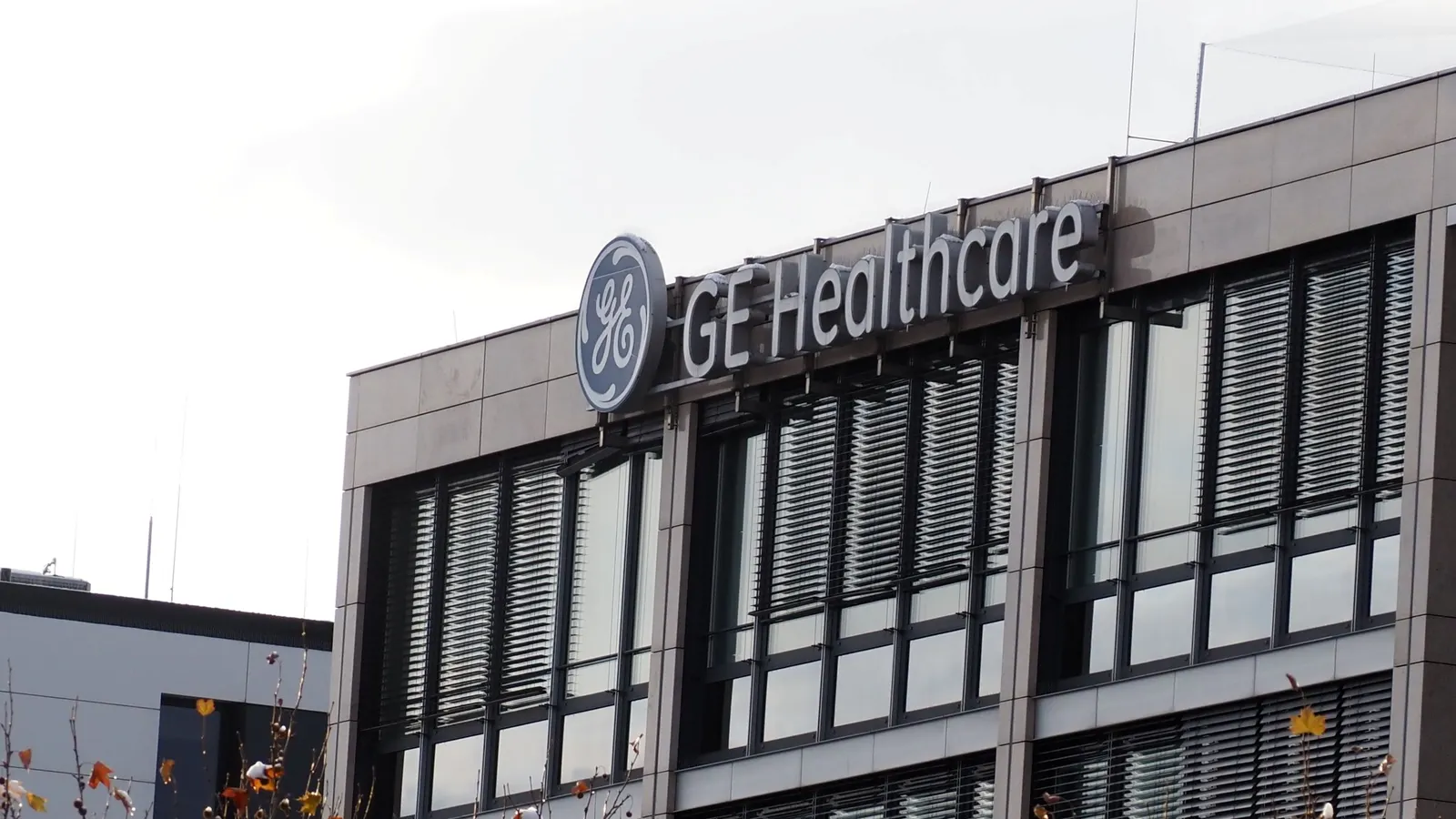
GE HealthCare, a global leader in medical technology and diagnostics, has announced a significant shift in its executive suite. James Saccaro, who has served as the company’s Chief Financial Officer since its inception as an independent, publicly traded entity, is stepping down. The move comes as the company navigates a complex macroeconomic landscape defined by supply chain volatility and a push for operational consistency.
As the company enters this period of transition, it has appointed Cameron Newcomb, a seasoned veteran of the GE ecosystem, to serve as interim CFO. Despite the leadership change, GE HealthCare maintains a steady outlook, releasing preliminary second-quarter results that signal resilience in the face of ongoing industry pressures.
The Core Facts: A Departure and a Succession
The departure of James Saccaro marks the end of a pivotal three-year tenure. Saccaro joined the organization shortly after its high-profile spin-off from General Electric in early 2023. Tasked with establishing the financial infrastructure of a standalone multi-billion-dollar medical technology firm, Saccaro oversaw the company’s transition through its first years of independence.
Replacing him in the interim is Cameron Newcomb, a figure intimately familiar with the company’s financial machinery. Newcomb brings over 38 years of finance leadership experience to the role. His history with the organization is deep; he has served as the controller of GE HealthCare since 2016 and ascended to the role of Chief Accounting Officer during the spin-off process. His appointment provides a sense of continuity that the company clearly hopes will reassure stakeholders during the search for a permanent successor.
Chronology: Navigating the Post-Spin Landscape
2016–2022: The Foundation
Long before the spin-off, the groundwork for GE HealthCare’s independent financial identity was being laid. Cameron Newcomb’s tenure as controller beginning in 2016 meant he was instrumental in standardizing the financial reporting and internal controls of the business while it was still a subsidiary of the broader General Electric conglomerate. This period saw the integration of complex diagnostic and pharmaceutical businesses under a single reporting umbrella.
2023: The Independent Launch
In early 2023, GE HealthCare officially began trading as an independent company. James Saccaro was appointed as the inaugural CFO, tasked with the monumental challenge of separating the balance sheet from General Electric and establishing independent investor relations. This period was defined by the aggressive management of costs, particularly as the company faced the immediate impact of global supply chain disruptions.
2023–2024: Managing Macroeconomic Headwinds
Over the past 18 months, Saccaro’s leadership was tested by persistent volatility in the semiconductor market. The scarcity of memory chips—critical components for high-end imaging equipment and patient monitoring systems—forced Saccaro to implement rigorous inventory management strategies. Concurrently, he navigated a landscape of fluctuating tariffs and logistics bottlenecks that threatened to squeeze profit margins.
July 2024: The Transition
The announcement of Saccaro’s departure coincides with the release of preliminary second-quarter financial data, marking a strategic pivot point for the company as it seeks to stabilize its executive leadership while maintaining its growth trajectory.
Supporting Data: Preliminary Second-Quarter Results
Despite the sudden change at the top of the finance department, GE HealthCare’s preliminary second-quarter results provide a stabilizing narrative. The company announced:
- Revenue Growth: The company expects to report revenue of approximately $5.3 billion. This represents a 5.7% increase year-over-year, signaling sustained demand for its core diagnostic and therapeutic equipment.
- Earnings Performance: Adjusted earnings per share (EPS) are projected to exceed prior company expectations, suggesting that despite supply chain costs, the firm has maintained disciplined cost controls and effective pricing strategies.
- Full-Year Guidance: GE HealthCare remains steadfast in its 2024 outlook. It has reiterated its forecast for organic revenue growth in the range of 3% to 4% and maintains its guidance for adjusted EPS between $4.80 and $5.00.
The adherence to these figures is critical. In the medical device industry, where long sales cycles and capital-intensive equipment orders define the business model, the ability to meet projected targets is the primary metric by which institutional investors measure management efficacy.
Official Responses and Market Analysis
The market reaction to the news has been measured, reflecting the broader trend of investors seeking predictability in a sector prone to sudden regulatory and technological shifts.
J.P. Morgan analyst Robbie Marcus, in a research note to investors, highlighted the dual nature of the announcement. While he noted that the CFO departure “adds another moving piece at a time when investors are still looking for greater consistency,” he simultaneously acknowledged that the financial performance for the quarter remained in line with organic sales expectations. The consensus among analysts is that while leadership changes are inherently disruptive, the appointment of a long-term insider like Newcomb serves as an effective "bridge" that minimizes operational friction.
GE HealthCare’s leadership has emphasized that the transition will be orderly. By relying on Newcomb—a veteran who played a key role in the formation of the company’s current financial structure—the board is signaling a commitment to continuity rather than a strategic overhaul.
Implications: The Road Ahead
1. The Search for Stability
The primary implication of this transition is the urgent need for the Board of Directors to identify a permanent CFO who can articulate a long-term vision. While Newcomb is well-equipped to handle the daily financial operations, the market will likely expect a candidate who can drive future growth strategies, particularly in areas like AI-integrated medical imaging and digital healthcare solutions.
2. Supply Chain Resilience
The new financial leadership will inherit a supply chain that, while improved from the 2023 nadir, remains vulnerable. The focus on memory chips and global logistics will remain a central theme of quarterly earnings calls. The ability to manage these costs without sacrificing R&D spending will be the defining challenge for the incoming CFO.
3. Investor Confidence
Investors have been sensitive to the "moving pieces" within the GE ecosystem. As GE HealthCare continues to distance itself from the parent company’s legacy, it must prove that it can operate as a pure-play medical technology firm. Achieving the stated organic growth targets of 3% to 4% is no longer just a financial goal—it is a proof-of-concept for the company’s post-spin strategy.
4. Operational Excellence
The "consistency" mentioned by analysts is the key to valuation. Medical technology firms that deliver stable, predictable quarterly results often command higher price-to-earnings multiples. If the interim period led by Newcomb proves seamless, it may actually serve to de-risk the company in the eyes of Wall Street, proving that the firm’s financial systems are robust enough to withstand even top-level leadership changes.
Conclusion
The departure of James Saccaro marks the conclusion of the "founding phase" of GE HealthCare’s life as a public company. As the firm moves forward, it is clear that the transition is not a reflection of systemic failure, but rather a realignment at a time of solid operational performance.
By delivering a strong second-quarter report and maintaining full-year guidance, the company is attempting to insulate itself from the volatility that often accompanies leadership changes. With Cameron Newcomb at the helm of the finance department, the company is positioning itself to weather the transition while maintaining the momentum required to lead the competitive medical technology sector. For investors, the next few quarters will be defined by how effectively the leadership team manages the dual tasks of maintaining fiscal discipline and steering the company toward its long-term growth objectives.