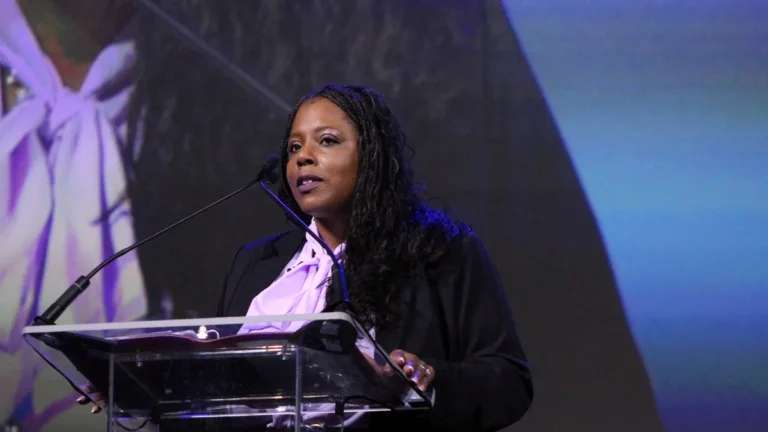
Tufts Medicine, the prominent Massachusetts-based health system, has announced a significant leadership transition that marks the end of a tumultuous yet transformative era. Phil Okala, the current Chief Operating Officer, is set to succeed Mike Dandorph as Chief Executive Officer on October 1, 2026, the start of the organization’s new fiscal year. Alongside this executive shift, the system has appointed Greg Kruse, a veteran strategic vice president, to helm the organization’s budget planning and financial oversight, signaling a continued commitment to stabilizing the health system’s bottom line.
This change at the top arrives as Tufts Medicine—which oversees a network of four hospitals across eastern Massachusetts—continues to navigate a complex landscape defined by post-pandemic recovery, rising labor costs, and the delicate task of balancing clinical excellence with fiscal sustainability.
Chronology: From Pandemic Turbulence to Planned Succession
The leadership tenure of Mike Dandorph, which began in January 2020, will be remembered as one of the most challenging in modern healthcare history. Assuming the mantle of CEO just as the COVID-19 pandemic began to exert unprecedented pressure on global healthcare infrastructure, Dandorph was forced to shift from long-term strategic planning to immediate crisis management almost overnight.
- January 2020: Mike Dandorph takes the helm as CEO of Tufts Medicine, inheriting a system on the brink of a global health crisis.
- 2020–2022: The system focuses on emergency response, scaling up capacity, and managing the surge in patient volumes during successive pandemic waves.
- 2023: Recognizing the need for structural reform, Tufts Medicine sells its laboratory outreach testing business to Labcorp, a move that resulted in the departure of approximately 600 roles but helped streamline operations.
- 2024: Faced with persistent labor costs and capacity constraints, the system executes a series of layoffs, reducing its workforce by 174 employees—approximately 1% of its total staff.
- September 2026: Mike Dandorph concludes his tenure as CEO, having guided the organization through its most volatile years.
- October 1, 2026: Phil Okala officially transitions into the CEO role, marking the beginning of a new chapter for the four-hospital system.
The Financial Turnaround: Data and Fiscal Reality
The narrative surrounding Tufts Medicine’s recent history is fundamentally one of financial contraction followed by strategic discipline. Like many nonprofit hospital systems across the United States, Tufts struggled with the "new normal" of high inflation, a shortage of skilled labor, and shifting reimbursement models.
Recent financial disclosures paint a picture of a system in the middle of a rigorous turnaround. According to the organization’s most recent filings, Tufts Medicine reported a net loss of $51.6 million for the 2025 fiscal year. While any loss is viewed with concern by stakeholders, the figure represents a significant improvement over the $214 million loss recorded the previous year. This trajectory suggests that the cost-cutting measures—including workforce reductions and the divestment of non-core assets—are beginning to yield the intended results.
Phil Lembo, the chair of the Tufts Medicine board of trustees, noted in a memorandum that while the "important work remains ahead," the system has generated "significant momentum." The board’s strategy has clearly prioritized the "next phase" of the financial recovery, which requires a shift from emergency triage to sustained, disciplined fiscal management.

Official Responses and Strategic Vision
The transition announcement was accompanied by a series of statements from key stakeholders, underscoring a unified front regarding the system’s future. Mike Dandorph, in his reflections on the transition, characterized the decision as being in the "best interest" of the organization. By providing a clear runway until September 2026, Dandorph has ensured a period of continuity, allowing for a smooth handover of power to Okala.
Phil Okala, who brings a wealth of experience from various leadership roles both within Tufts and across the broader healthcare sector, emphasized that the core mission of the system remains untouched by the administrative change. "Our focus remains unchanged: serving our patients and communities, supporting our people, strengthening our financial position and continuing to advance Tufts Medicine’s mission to empower people to live their best lives," Okala stated.
The appointment of Greg Kruse to lead budget planning is widely viewed as a signal that the board intends to keep a tight rein on expenses. By elevating a strategic vice president to lead this function, the system is signaling that its future budget planning will not be a purely administrative task but a core component of its overall corporate strategy.
Implications for the Future of Massachusetts Healthcare
The leadership change at Tufts Medicine occurs within a wider context of regional healthcare instability. Massachusetts, often viewed as a leader in medical research and clinical care, has seen several systems struggle with the same economic headwinds that have affected Tufts.
Workforce and Labor Dynamics
The layoffs in 2023 and 2024 were not isolated incidents but reflect a broader trend of "right-sizing" in the healthcare sector. As labor costs continue to rise—driven by competition for specialized nurses and clinical staff—systems like Tufts are forced to make difficult decisions about where to invest resources. The future administration under Okala will likely continue to face pressure to balance competitive wages with the need to maintain operating margins.
Operational Efficiency
The decision to sell the laboratory outreach testing business to Labcorp reflects a growing trend of hospital systems "unbundling" their services. By divesting from non-core, capital-intensive businesses, systems can focus on their primary mission: acute care, research, and community health. It is expected that Okala’s tenure will involve a continued evaluation of the system’s asset portfolio to ensure that every department contributes to the long-term financial health of the organization.

The "New Normal" for Nonprofit Hospitals
The fiscal year 2025 results for Tufts Medicine mirror a larger industry trend identified by rating agencies like Fitch, which have warned that for many nonprofit hospitals, operating margins in the 1% to 2% range will be the new benchmark for success in a post-pandemic environment. Tufts is currently striving to meet these benchmarks. The incoming leadership team will be tasked with transforming the current $51.6 million loss into a sustainable, break-even or profitable model.
Conclusion: A Pivot Toward Stability
The transition from Mike Dandorph to Phil Okala represents more than a change in personnel; it represents a pivot from the reactive management required by the pandemic to a proactive, disciplined strategy aimed at long-term viability.
As the healthcare industry continues to grapple with the "triple threat" of workforce shortages, inflationary pressures, and declining reimbursement, the success of Tufts Medicine will serve as a bellwether for other academic and regional health systems. With the board of trustees expressing confidence in the current turnaround plan, the transition period through 2026 will be critical. The focus will remain on whether Okala and his team can maintain the current "momentum" while navigating the high expectations of the community, the needs of the workforce, and the unforgiving requirements of the balance sheet.
For now, the message from Tufts Medicine is one of continuity and resolve. By finalizing the leadership structure well in advance, the board has attempted to provide clarity to staff, patients, and investors, signaling that while the leadership may change, the mission of the system remains firmly anchored in the pursuit of clinical and financial stability.