









Introduction
The month of February 2020 served as a pivotal moment for United States drug policy. As the nation grappled with the ongoing complexities of the opioid crisis and the broader spectrum of substance use disorders, the federal government moved to consolidate its strategic approach. Through the release of new directives from the Office of National Drug Control Policy (ONDCP) and increased legislative activity within the House of Representatives, February 2020 established a roadmap for treatment and oversight that would define the administration’s public health priorities for the remainder of the year. This report provides a detailed examination of those developments, drawing upon insights from policy experts Holly Strain and Carol McDaid of Capitol Decisions.
Main Facts: The New Federal Framework
At the heart of the February policy landscape was the release of the White House’s National Drug Control Strategy and the accompanying National Treatment Plan. These documents were designed to shift the focus of federal drug policy from purely punitive measures toward a more robust, treatment-centered framework.
The primary objective of the 2020 National Treatment Plan was to standardize the delivery of evidence-based care across the country. It acknowledged that the siloed nature of the American healthcare system often resulted in gaps in care for individuals suffering from substance use disorders (SUDs). By outlining specific metrics for success—such as increased access to Medication-Assisted Treatment (MAT) and better integration of recovery support services—the ONDCP sought to create a unified front against the rising tide of overdose deaths.
Concurrent with these executive actions, the legislative branch intensified its oversight. The House Bipartisan Opioid Task Force unveiled its comprehensive agenda for the 116th Congress, signaling a commitment to addressing the crisis through a multi-pronged approach that included supply-side regulation, expanded mental health funding, and harm reduction initiatives.
Chronology of Policy Developments
The policy shifts in February 2020 followed a structured timeline, beginning with high-level executive strategy announcements and concluding with congressional oversight hearings.
- February 3, 2020: The ONDCP officially releases the 2020 National Drug Control Strategy and the National Treatment Plan. These documents are published to provide a clear set of objectives for federal agencies, including the Department of Health and Human Services (HHS) and the Department of Justice (DOJ).
- Early February 2020: Following the release of the documents, momentum builds in the House of Representatives. The House Bipartisan Opioid Task Force releases its legislative roadmap for the 116th Congress, identifying key bills intended to address the opioid epidemic.
- Mid-February 2020: The House Energy and Commerce Committee’s Health Subcommittee announces a series of hearings to deliberate on pending legislation, focusing on the intersection of opioid misuse, emergency response, and long-term treatment sustainability.
- February 27, 2020: The House Oversight and Government Reform Committee convenes a hearing featuring the Director of the ONDCP. This session served as a critical platform for lawmakers to question the administration on the feasibility, funding, and implementation of the newly released National Treatment Plan.
Supporting Data and Strategic Priorities
The 2020 National Treatment Plan was built upon the necessity of data-driven outcomes. Unlike previous strategies that may have relied on broad, sweeping generalizations, the 2020 iteration emphasized specific, measurable milestones.
Key Metrics and Goals
- Expansion of MAT Availability: A core metric involved increasing the number of clinicians trained to prescribe buprenorphine and other FDA-approved medications for opioid use disorder. The strategy emphasized the need to remove barriers for primary care physicians, not just addiction specialists.
- Overdose Prevention: The strategy prioritized the widespread distribution of naloxone, aiming to ensure that first responders and community organizations had adequate access to life-saving reversal agents.
- Integration of Services: A significant portion of the strategy was dedicated to the "Continuum of Care," which seeks to bridge the gap between emergency room treatment for overdose and long-term, community-based recovery support.
The legislative agenda released by the House Bipartisan Opioid Task Force complemented these executive goals by focusing on the "legislative levers" required to authorize these programs. This included proposals for increasing federal grants to states, enhancing the monitoring of prescription drugs, and supporting the development of non-opioid pain management therapies.
Official Responses and Congressional Oversight
The executive branch’s strategy was met with both support and scrutiny. While the ONDCP framed the National Treatment Plan as a progressive step toward addressing addiction as a chronic, manageable health condition, members of Congress were keen to ensure that these documents were more than just aspirational rhetoric.
During the February 27th hearing before the House Oversight and Government Reform Committee, the ONDCP Director faced rigorous questioning regarding the funding mechanisms for these initiatives. Lawmakers specifically inquired about how the federal government intended to coordinate with state-level health departments to ensure that rural areas—often the most heavily impacted by the opioid crisis—received equitable funding and resource distribution.
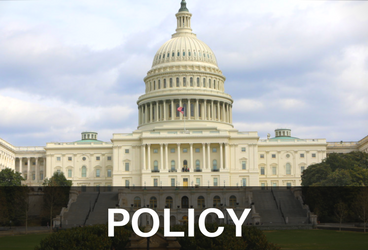
The dialogue between the legislative and executive branches highlighted a broader, ongoing debate regarding the scope of federal authority in healthcare. Proponents of the plan argued that a top-down, unified strategy was essential to eliminate the "postcode lottery" of addiction treatment, where the quality of care depends heavily on one’s location. Critics, however, raised concerns about the administrative burden such federal mandates might place on local treatment centers already operating on thin margins.
Implications for Public Health and Policy
The developments of February 2020 carry significant long-term implications for the future of addiction policy in the United States.
The Shift Toward Long-Term Recovery
One of the most profound implications of the 2020 policy cycle was the explicit recognition of "recovery" as a long-term process rather than a short-term medical intervention. By emphasizing recovery support services—such as peer support specialists, sober living environments, and vocational training—the government acknowledged that treating the physical symptoms of addiction is insufficient without addressing the social determinants of health.
Bipartisanship in a Polarized Environment
The release of the House Bipartisan Opioid Task Force agenda was a rare moment of cooperation during a politically charged legislative session. It demonstrated that, despite deep divisions on other policy fronts, the opioid epidemic remained a unifying issue that demanded collective action. This spirit of bipartisanship was essential for the subsequent passage of funding bills that provided the necessary resources to implement the ONDCP’s strategic goals.
The Role of Data in Future Policy
Finally, the emphasis on metrics in the 2020 strategy signaled a shift toward a more scientific approach to public health. By requiring agencies to report on progress toward specific milestones, the federal government committed to a cycle of continuous improvement. Future policies, the administration argued, would be based on the success or failure of the 2020 initiatives, creating an iterative process that allows for course correction as the addiction landscape evolves.
Conclusion
The policy updates of February 2020 represent a critical juncture in the federal response to the opioid crisis. Through the synchronization of executive strategy and legislative oversight, the government sought to move beyond reactive measures toward a proactive, evidence-based system of care.
While the true efficacy of the 2020 National Treatment Plan would be tested in the coming years, the framework established in February provided a essential roadmap. By focusing on the expansion of MAT, the integration of recovery support services, and the necessity of bipartisan cooperation, policymakers laid the groundwork for a more robust and responsive public health system. As the nation continues to navigate the complexities of addiction, the lessons learned from this period—specifically the importance of data, the value of cross-agency coordination, and the necessity of sustained, long-term support—remain as relevant as ever.
This report is based on information provided by Holly Strain and Carol McDaid of Capitol Decisions, who continue to track the evolving landscape of federal health legislation and its impact on the addiction treatment sector.