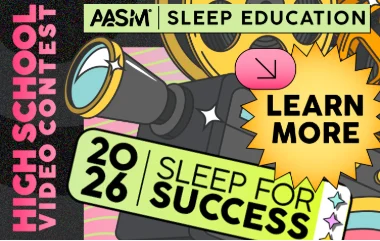
In an era defined by constant connectivity, academic pressure, and the glow of late-night digital screens, the American Academy of Sleep Medicine (AASM) is turning to the most powerful tool for public health awareness: the voice of the next generation. The AASM has officially launched the 2026 “Sleep for Success” High School Video Contest, an annual initiative designed to challenge teenagers to translate the science of sleep into compelling, creative, and relatable visual storytelling.
The contest is not merely a competition; it is a strategic public health campaign. By incentivizing students to create 30- to 90-second videos that underscore the necessity of healthy sleep habits, the AASM hopes to address a growing crisis of sleep deprivation among adolescents—a phenomenon that has profound implications for mental health, academic performance, and physical safety.
The Core Mandate: Why Sleep Matters
At the heart of the “Sleep for Success” campaign is the objective to normalize healthy sleep hygiene as a pillar of well-being. According to the AASM, sleep is not a passive activity but a critical physiological process that regulates cognitive function, emotional stability, and physical recovery.
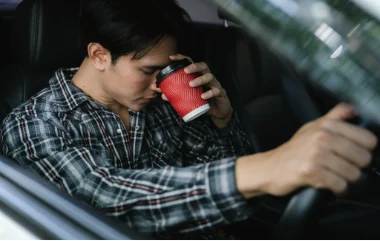
For the average teenager, the consequences of chronic sleep deprivation are multi-faceted. Academically, sleep-deprived students struggle with memory consolidation and focus, making the retention of complex classroom material exponentially more difficult. Emotionally, the lack of rest is linked to heightened anxiety, depression, and irritability. Perhaps most critically, sleep deprivation has tangible impacts on physical safety, particularly for teen drivers, as drowsy driving remains a significant factor in road accidents.
The 2026 contest invites students to explore these themes through original content. Whether through humor, documentary-style inquiry, or creative narrative, the AASM is seeking entries that effectively communicate how prioritizing rest can transform a student’s daily life.
A Chronology of the Initiative
The “Sleep for Success” contest has evolved from a small-scale outreach effort into a flagship program for the AASM.
- Early Inception: The AASM recognized years ago that top-down medical messaging often failed to penetrate the social circles of teenagers. To bridge this gap, they pivoted toward peer-to-peer influence.
- The Pilot Years: Initial iterations of the contest focused on simple poster designs and short essays. However, as social media platforms like TikTok, Instagram, and YouTube became the primary consumption methods for teens, the AASM transitioned to a video-first format.
- Current Iteration (2026): This year’s contest represents the most refined version of the campaign. It emphasizes high production quality and creative storytelling, acknowledging that the target demographic is highly media-literate.
- The Path Ahead: With the deadline set for Tuesday, March 31, at noon EDT, the AASM is currently in the "Active Submission" phase, where they are partnering with educators and school districts nationwide to integrate the contest into health and media arts curricula.
Supporting Data: The Silent Crisis
The urgency behind the AASM’s call to action is supported by decades of sleep research. Data from the Centers for Disease Control and Prevention (CDC) and various longitudinal sleep studies consistently show that a majority of American high schoolers are failing to meet the recommended eight to ten hours of sleep per night.
The Biological Reality
Adolescents undergo a "circadian shift" during puberty, causing their internal clocks to naturally lean toward later bedtimes. When this biological shift is met with early school start times, the result is a systemic sleep deficit.
The Performance Gap
Research indicates that students who prioritize sleep exhibit:
- Improved Academic Performance: Consistent sleep patterns correlate with higher grade point averages and better standardized test scores.
- Athletic Longevity: Sleep is when the body releases growth hormones and repairs muscle tissue. For student-athletes, sleep is as vital as training and nutrition.
- Mental Resilience: Studies have shown that adequate sleep helps regulate the amygdala, the brain’s emotional center, allowing for better stress management and reduced incidence of mood disorders.
The AASM uses this data to remind participants that the "Sleep for Success" contest is not just about making a video—it is about advocating for a healthier lifestyle that directly contributes to these positive outcomes.
Official Responses and Stakeholder Perspectives
The AASM views the contest as a collaborative effort between the medical community and the educational sphere.
"The creative energy of students is our best asset," says a spokesperson for the AASM. "We can provide the science, but teenagers provide the language. When a student creates a video about sleep, they aren’t just summarizing facts; they are processing the importance of sleep in their own lives. That internal reflection is where real behavioral change begins."
Educators have also lauded the program. Many high school teachers have incorporated the contest into their media literacy or health modules, noting that it provides students with a real-world application for their digital skills. By offering a $100 gift card to the teachers who support the winning entries, the AASM acknowledges that mentorship and guidance are essential components of student success.
Implications for Public Health and Media Literacy
The broader implications of this contest extend beyond the winning entries. The initiative serves as a litmus test for how modern health organizations can utilize digital platforms to influence public health policy.
Empowerment through Media
By challenging students to act as content creators, the AASM is fostering media literacy. Students must research their topic, draft a script, storyboard, and edit their footage. This process transforms them from passive consumers of health information into active advocates.
Scaling the Message
The winning videos will be featured on the AASM’s official platforms, granting the creators a national stage. This amplification is a crucial part of the campaign’s success, as it allows the AASM to bypass traditional, "preachy" health messaging in favor of content that is created by teens, for teens.
Long-term Behavioral Shifts
The long-term goal of the "Sleep for Success" initiative is the normalization of sleep as a non-negotiable health priority. If the campaign succeeds in making sleep "cool" or at least culturally relevant within high school environments, it could lead to widespread shifts in school-day culture, extracurricular scheduling, and homework policies.
Participation Details: How to Enter
For students looking to participate, the requirements are straightforward but emphasize creativity. The contest is open to high school students, and entries must be between 30 and 90 seconds.
Key Requirements:
- Originality: Videos must be the original work of the entrant.
- Message: The video must clearly communicate why sleep is important and how it affects the life of a teenager.
- Deadline: All submissions must be received by Tuesday, March 31, at noon EDT.
Incentives:
- For Students: The winning entry secures a $1,000 cash prize.
- For Educators: The teacher or club advisor associated with the winning student receives a $100 gift card, acknowledging the role of adult mentorship in fostering student success.
Final Reflections
The 2026 AASM “Sleep for Success” High School Video Contest is more than a competition; it is a concerted effort to recalibrate how society—and specifically the youth—values the most fundamental human need: sleep. By combining the rigor of scientific evidence with the dynamism of youth-led media, the AASM is setting a precedent for how public health initiatives can evolve in the digital age.
As the March deadline approaches, the AASM encourages students across the country to grab their cameras, share their perspectives, and help rewrite the narrative on sleep. In doing so, they aren’t just competing for a prize—they are contributing to a movement that could fundamentally improve the health, safety, and academic success of their peers for years to come.
Interested participants and educators are encouraged to visit the official 2026 contest page to review the full set of rules and submission guidelines. It is time to wake up to the power of sleep.