Executive Summary: A New Frontier in Oncology
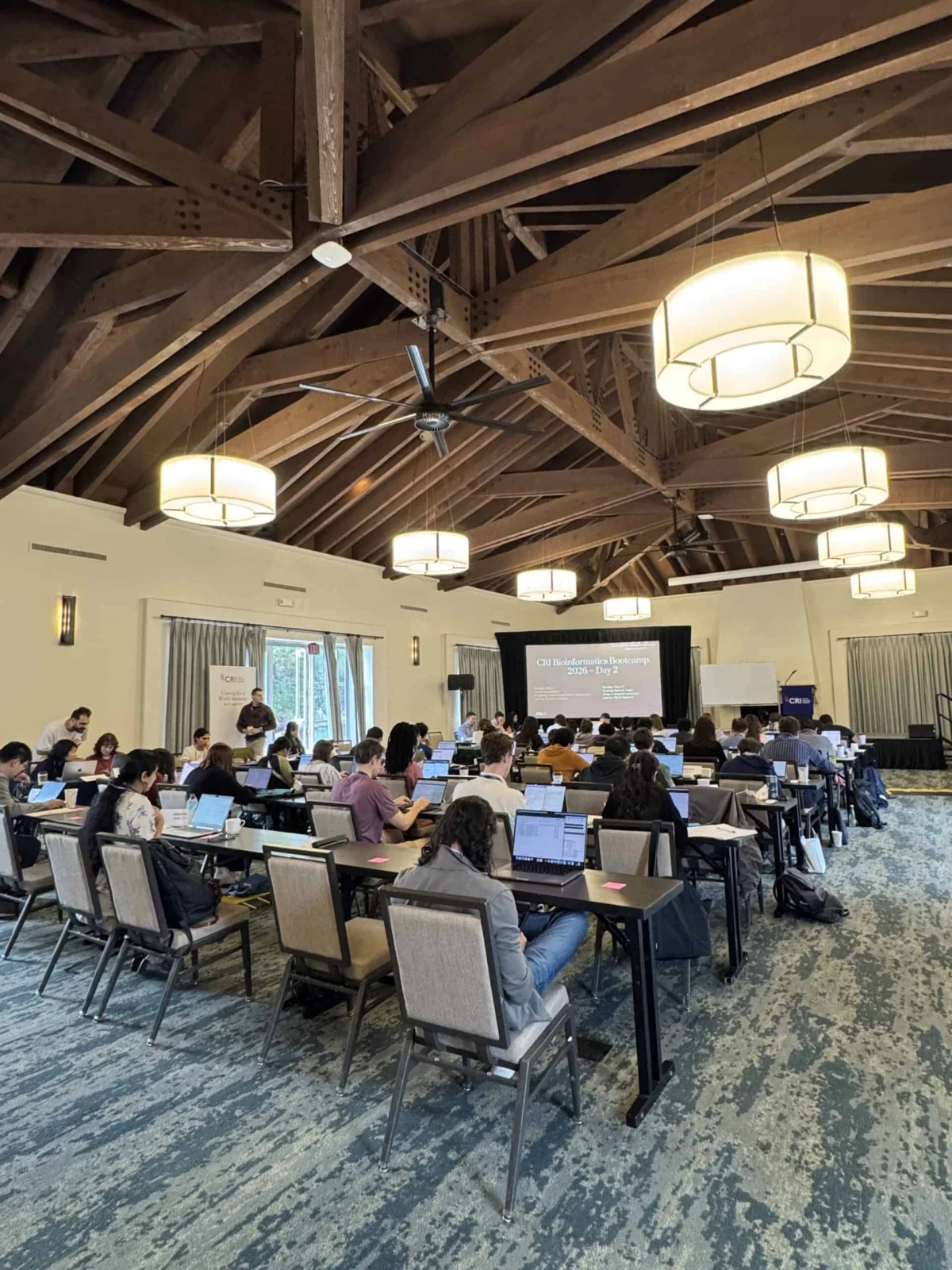
From May 16 to 22, 2026, the serene backdrop of the La Cantera Resort in San Antonio, Texas, served as the epicenter for a transformative shift in cancer research. More than 50 early-career scientists, fellows, and students converged for the third annual Cancer Research Institute (CRI) Bioinformatics Bootcamp—an intensive, week-long immersion designed to harmonize the traditional "wet lab" with the modern "dry lab."
As the landscape of oncology moves toward high-throughput, data-heavy discovery, the ability to interpret massive biological datasets has transitioned from a specialized skill to a fundamental necessity. The CRI Bioinformatics Bootcamp stands as a flagship initiative, bridging the gap between experimental biology and computational science, ensuring that the next generation of researchers is equipped not just to generate data, but to derive life-saving insights from it.
The Evolution of the Bootcamp: A Chronology of Growth
Since its inception three years ago, the CRI Bioinformatics Bootcamp has undergone a rigorous process of iteration and expansion. What began as a foundational workshop focused on basic programming syntax has matured into a sophisticated, multi-faceted educational program that keeps pace with the blistering speed of technological advancement.
The Foundation (Year 1)
The inaugural program was established to address a persistent "bottleneck" in immunotherapy research: the disconnect between bench-side researchers and the computational tools required to analyze their findings. The primary goal was to demystify coding and provide a safe space for scientists to learn the fundamentals of R and Python in an oncological context.
The Refinement (Year 2)
Building on the initial feedback, the second year saw the introduction of more specialized workflows. The curriculum began to incorporate modules on next-generation sequencing (NGS) and data visualization, recognizing that researchers were increasingly tasked with managing complex, multi-layered data.
The Immersive Experience (Year 3)
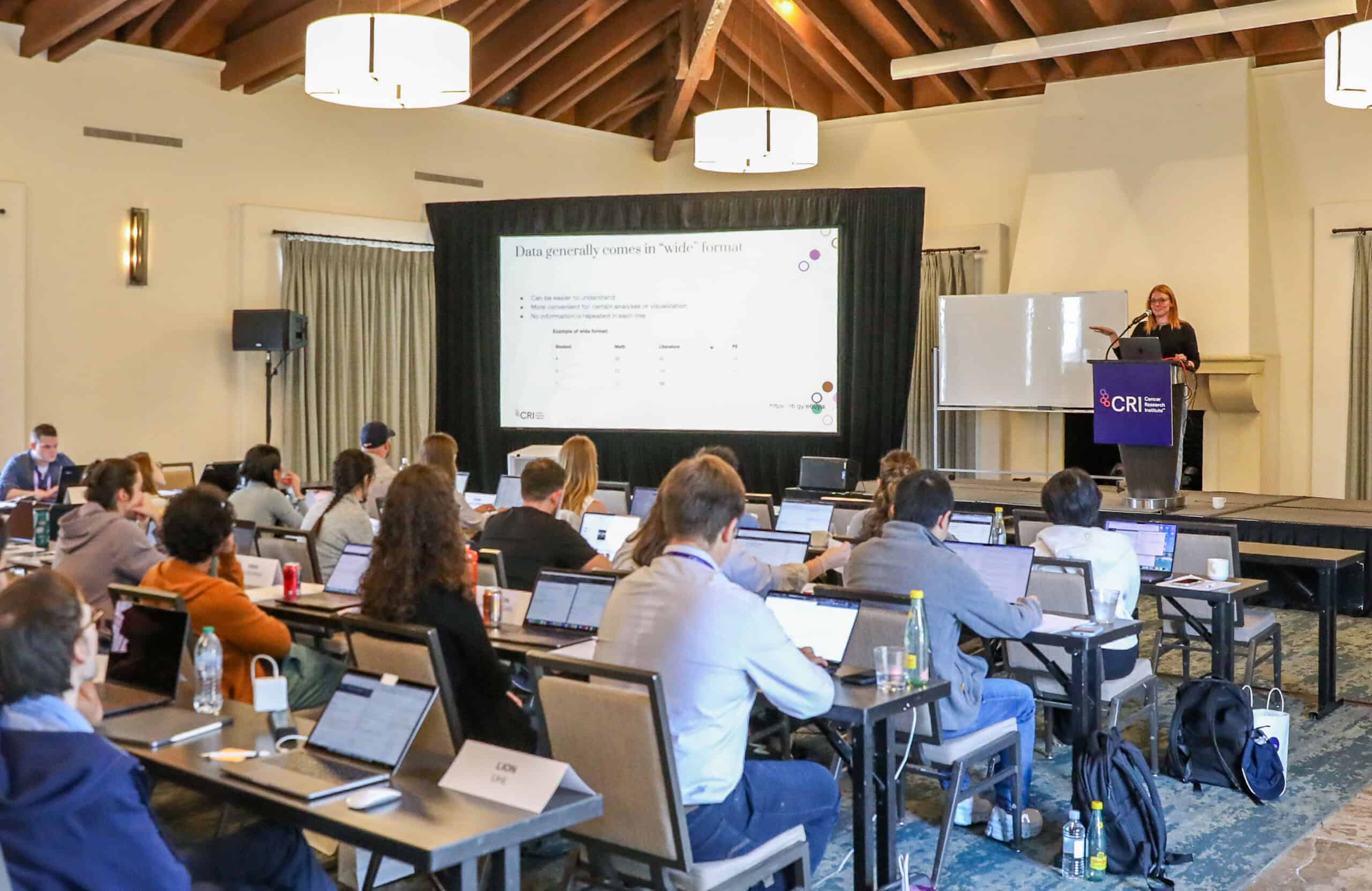
The 2026 edition, held in San Antonio, represented the program’s most ambitious iteration yet. With a faculty of five experts—four of whom have been with the program since its start—the curriculum was updated to include advanced Python coding techniques and artificial intelligence (AI) integration. The inclusion of dedicated teaching assistants ensured that the learning was bespoke, allowing participants to bring their own real-world datasets into the classroom for personalized mentorship.
Bridging the Wet Lab-Dry Lab Divide: The Technical Landscape
Modern cancer research has entered an era of "big data." Whether through single-cell RNA sequencing or high-dimensional flow cytometry, modern experiments generate terabytes of data that require robust computational workflows to process.
Core Curricular Focus Areas:
- Next-Generation Sequencing (NGS): Participants learned to navigate the pipeline from raw sequencing reads to biological interpretation.
- Single-Cell Technologies: A deep dive into characterizing cellular heterogeneity within the tumor microenvironment—a key area of focus for modern immunotherapy.
- Data Visualization: Mastering the art of translating complex statistics into clear, actionable visual data to facilitate scientific storytelling.
- Computational Reproducibility: Emphasizing the importance of documented, repeatable code, which is essential for peer review and the integrity of modern clinical trials.
The bootcamp recognizes that while tools change, the scientific method remains constant. As faculty member Dr. Katie Campbell noted, the objective is to accelerate the analysis without bypassing the "necessary thought processes" that define a high-caliber researcher.
Expert Perspectives: Why Computational Literacy Matters
The success of the bootcamp is rooted in its collaborative philosophy. By facilitating a dialogue between seasoned bioinformaticians and biologists transitioning into the digital space, the program fosters a holistic view of research.
The Student Experience
Christie Chang, a graduate student attendee, highlighted the necessity of the program in a rapidly evolving scientific climate: “The Bootcamp is important because it’s really bridging the gap across two fields of the wet lab and the dry lab. As technologies are evolving, we’re generating large data sets, and we need computational tools to be able to understand more complex pictures, more complex data sets, and make more complex discoveries.”
Chang’s reflection underscores a broader truth: the longevity of human life is currently tied to our ability to decode the complexities of cancer. By mastering these tools, researchers are essentially building the infrastructure for the next generation of immunotherapy breakthroughs.
The Faculty Vision
Dr. Katie Campbell emphasized the responsibility of the program to provide a structured educational environment. "With the rapid pace of technology, there’s a rapid pace of the tools available to analyze," she remarked. "We have to think about how we accelerate not just the discovery but the analysis, the everyday, without taking away the necessary thought processes that have to be intrinsic to the fellows."
The Teaching Assistant Perspective
Dr. Maryam Pourmaleki, who served as a teaching assistant, echoed this sentiment, pointing out that even those with "phenomenal training in wet lab" find themselves hitting a wall when faced with multimodal big data. The bootcamp serves as the key to unlocking those data silos.
New Initiatives: The 2026 Program Additions
This year, the CRI expanded the scope of the bootcamp by introducing high-impact, focused sessions that catered to the diverse needs of the participants.
Lunch-Hour Roundtables
Capped at 18 participants to ensure intimacy and engagement, these roundtables offered a venue for discussing the "business" of science. Topics included:
- Computational Career Pathways: Navigating the transition from researcher to computational scientist.
- Grant Planning for Bioinformatics: Understanding how to secure funding for computational infrastructure.
- Experimental Design: How to structure experiments to ensure they are computationally "ready" from the moment they are conceived.
Evening Innovation Sessions
The addition of evening sessions allowed for a deeper dive into the cutting edge of the field, specifically focusing on the intersection of Artificial Intelligence (AI) and oncology. These sessions aimed to prepare researchers for the next decade of AI-driven drug discovery and predictive modeling.
The Human Element: Networking and Scientific Community
Beyond the screen and the command line, the CRI Bioinformatics Bootcamp serves as a vital networking hub. As Dr. Tara Muijlwijk articulated, the experience is about more than just technical proficiency; it is about "zooming out" to see the bigger picture.
"The Bootcamp is really a great way to zoom out and to think about, okay, what am I doing, why am I doing this, and also to connect with other people, which is super important in research," Dr. Muijlwijk said. This communal approach prevents the isolation often felt by researchers working on dense, solitary computational tasks. By connecting with peers, attendees build a support network that will sustain them throughout their careers.
Implications for the Future of Immunotherapy
The implications of this training are profound. By fostering computational confidence among researchers, the CRI is accelerating the pace at which laboratory discoveries move into clinical practice.
Driving Precision Medicine
The tools taught at the bootcamp—specifically those related to single-cell analysis and multimodal data—are the building blocks of precision medicine. By enabling researchers to better understand how specific patient populations respond to immunotherapy, the bootcamp contributes to the development of more personalized, effective treatment protocols.
Expanding Computational Literacy
The program’s greatest impact may be the democratization of bioinformatics. By making advanced tools "approachable" for those without a computer science background, the CRI is effectively raising the floor for scientific competency across the entire community. As participant Dr. Jia Yu (Jennifer) Ye noted, the systemic, structured learning provided by the bootcamp is an invaluable alternative to relying solely on AI engines for guidance. "It’s just such an amazing opportunity offered by CRI to really help learn all of the informatics skills more systematically," she observed.
Conclusion: A Commitment to Breakthroughs
The third annual CRI Bioinformatics Bootcamp at La Cantera was more than just a training program; it was a strategic investment in the future of human health. By equipping the next generation of scientists with the ability to navigate the complexities of data, the Cancer Research Institute is ensuring that the momentum behind cancer immunotherapy continues to accelerate.
As these 50+ participants return to their home institutions, they carry with them more than just new coding languages or software workflows. They carry a renewed perspective on the scientific process—a vision where the wet lab and the dry lab are no longer distinct entities, but two sides of the same coin, working in concert to unravel the mysteries of cancer and, ultimately, to save lives.
Through education, innovation, and unwavering collaboration, the CRI is not just supporting research; it is building the future of medicine, one line of code at a time.