









By Jonathan Gardner | Senior Biotech Correspondent
Published November 24, 2026
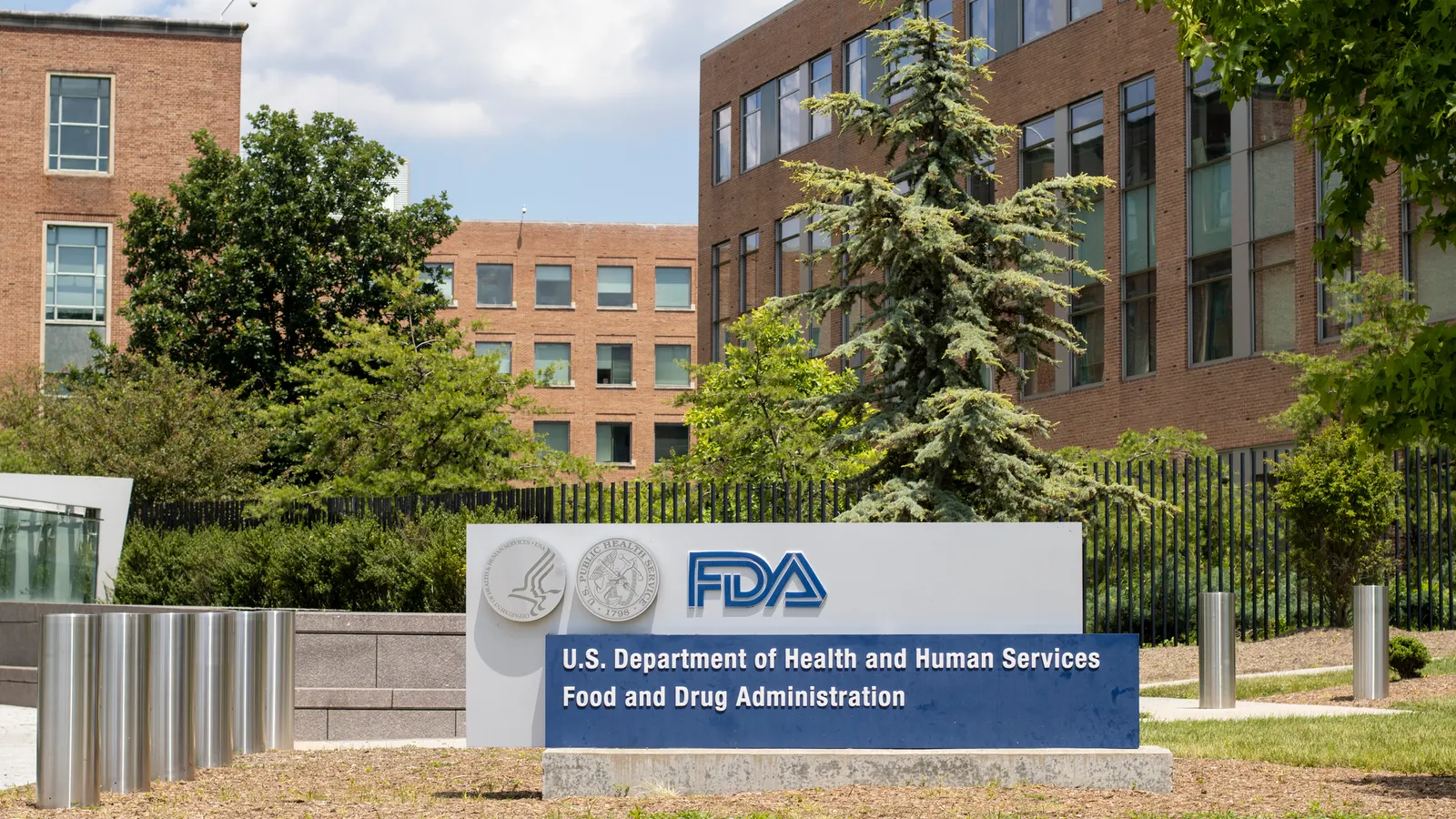
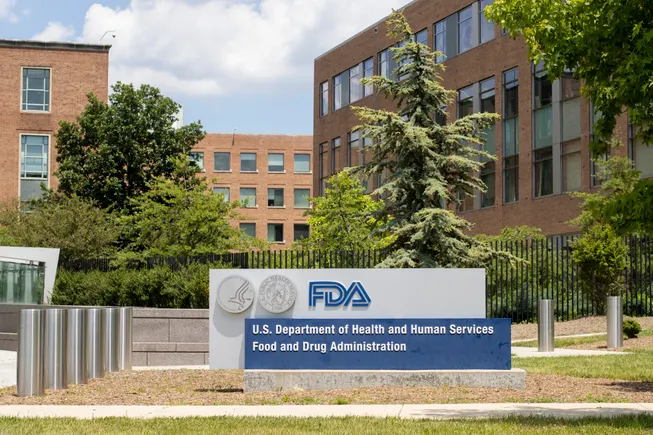
In a landmark moment for the rare disease community, the U.S. Food and Drug Administration (FDA) granted approval on November 23, 2026, to BridgeBio Pharma for its pioneering therapy, Welgemda. The drug, which targets the debilitating 2I/R9 variant of limb-girdle muscular dystrophy (LGMD), enters the market with a price tag approaching $1 million annually. Despite this premium cost, Wall Street analysts are bullish, predicting that the therapy’s ability to demonstrably improve mobility and respiratory function will drive it to "blockbuster" status—defined by annual sales exceeding $1 billion.
Main Facts: Addressing the Unmet Need in LGMD
Limb-girdle muscular dystrophy is a collection of genetically linked disorders characterized by progressive weakness in the muscles of the shoulders and hips, which eventually leads to severe atrophy in the limbs. For the specific 2I/R9 population—a rare subset of the disease—the condition is driven by a genetic mutation that starves the body of an essential enzyme known as FKRP. This enzyme is critical for a chemical process that stabilizes muscle cells; without it, muscle fibers become fragile, leading to chronic weakness and eventual cardiopulmonary complications.
Welgemda (formerly known as BBP-418 or ribitol) represents a departure from traditional gene therapies. It is administered as an oral solution, taken twice daily after being mixed with water. While the FDA noted that the precise mechanism of action remains under investigation, the leading scientific theory is that Welgemda increases the levels of a natural sugar molecule that anchors a vital protein to the muscle tissue, effectively "shoring up" the structural integrity of the cells.
Chronology of Development
The journey to the FDA’s green light was marked by rigorous clinical scrutiny and a clear focus on patient-centered outcomes.
- Early Development: BridgeBio identified the 2I/R9 variant as a high-potential target, recognizing that the FKRP deficiency was a discrete biological problem that could be bypassed with a small-molecule approach.
- Clinical Validation: Throughout its Phase 3 clinical trial, the company focused on three primary endpoints: biochemical markers of the FKRP-related process, a 100-meter walking test, and standardized breathing diagnostics.
- The 12-Month Mark: After one year of treatment, the results were definitive. Patients receiving Welgemda showed statistically significant improvements across all three metrics compared to those on a placebo. Most notably, the 100-meter walk test revealed a velocity increase of 0.27 meters per second—a clinically meaningful gain in mobility for patients whose conditions typically trend toward decline.
- Safety Profile: The clinical data provided a strong safety argument for the FDA. The most frequently reported side effect was diarrhea, and, perhaps most impressively, the study recorded a 0% dropout rate among the treatment arm due to adverse events, signaling high patient tolerability.
- November 23, 2026: The FDA formally approved Welgemda, marking a turning point for the approximately 7,000 individuals in the U.S. and Europe living with 2I/R9 and related forms of the disease.
Supporting Data: The Road to Blockbuster Sales
For investors and market analysts, the success of Welgemda hinges on BridgeBio’s ability to transition from clinical approval to commercial penetration. The company has outlined an aggressive, phased rollout strategy.
According to internal projections shared with analysts, BridgeBio has already identified 500 genetically confirmed patients in the United States. The company’s commercial roadmap is as follows:
- By year-end 2027: Targeting 100 patients on therapy.
- By year-end 2028: Expanding to 300 patients.
- By year-end 2029: Reaching the full identified cohort of 500 patients.
However, the company’s ambitions extend beyond the currently known patients. BridgeBio executives believe that, through expanded awareness campaigns and increased access to genetic testing, they can identify an additional 2,000 to 3,000 patients in the U.S. who currently remain undiagnosed or misdiagnosed.
Wall Street has reacted with optimism. Tyler Van Buren, an analyst at T.D. Cowen, estimates that when European and international markets are factored in, the drug’s peak sales could reach as high as $1.5 billion. Andrew Tsai of Jefferies echoed this sentiment in a recent client note, asserting that global peak sales exceeding the $1 billion threshold are not only plausible but "achievable" given the lack of competing standard-of-care treatments for this specific variant.
Official Responses and Clinical Perspective
The medical community has lauded the approval as a testament to the importance of targeting rare genetic pathways. Dr. Elena Rossi, a leading neuromuscular specialist not involved in the trial, remarked, "For a patient who has spent their life watching their physical capabilities slip away, a 0.27 meter-per-second increase in walking speed is not just a statistic—it is the difference between independence and assistance. To have an oral option that is well-tolerated is a massive win for this patient population."

BridgeBio leadership has emphasized that the pricing reflects the immense R&D investment required to address a disease with such a small patient population. "Our commitment is to reach every patient who can benefit from this therapy," a company spokesperson stated. "By focusing on the biological root of the FKRP deficiency, we are not just treating symptoms; we are providing a foundation for long-term stabilization."
Implications: The Future of Rare Disease Pharma
The approval and pricing of Welgemda raise broader questions regarding the sustainability of the current pharmaceutical business model for rare diseases.
The Pricing Paradox
At a list price approaching $1 million per year, Welgemda places significant pressure on insurance providers and state-funded health systems. Critics often argue that such high costs limit patient access and put undue strain on healthcare budgets. However, the counter-argument, often cited by firms like BridgeBio, is that the lifetime cost of caring for a patient with progressive muscular dystrophy—including physical therapy, home modifications, respiratory support, and cardiac care—far outweighs the cost of a disease-modifying therapy.
The Role of Genetic Testing
The success of the Welgemda launch is intrinsically tied to the speed of diagnosis. Because the drug targets a specific genetic variant, the efficacy is contingent upon the patient knowing their exact genetic profile. This has prompted BridgeBio to invest heavily in diagnostic infrastructure, signaling a shift in the pharmaceutical industry where companies act not just as drug manufacturers, but as partners in the diagnostic journey.
A New Standard for LGMD
With Welgemda now on the market, the bar has been raised for future therapeutic development in the limb-girdle space. Other companies in the neuromuscular field will be forced to match the rigorous, multi-modal clinical endpoints set by BridgeBio. Furthermore, the successful development of an oral solution for a condition previously thought to require invasive gene-editing techniques provides a roadmap for researchers looking to address other muscular atrophies.

As the industry looks toward 2027, all eyes will be on BridgeBio’s ability to convert their patient identification strategy into actual prescriptions. If the company hits its targets, Welgemda will stand as a model for how orphan drugs can achieve massive commercial scale while simultaneously providing transformative relief to a marginalized patient community.
In the final analysis, the story of Welgemda is one of precision. It is the story of a specific genetic mutation meeting a specific molecular solution, facilitated by a commercial infrastructure designed to find the few hundred people in the country who need it most. As the drug moves from clinical trials to the real world, its impact will be measured not just in dollars, but in the steps taken and breaths drawn by those for whom, until yesterday, there was no hope for stabilization.