






As the global community navigates the complex, lingering aftermath of the COVID-19 pandemic—a period defined by profound shifts in public health, economic stability, and social connectivity—the necessity of prioritizing individual well-being has never been more acute. While the world continues to grapple with the multifaceted impacts of a health crisis that disrupted food access, altered employment landscapes, and strained mental health, a critical question remains: How can individuals proactively fortify their health against both immediate and long-term threats?
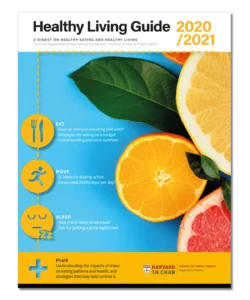
The answer, according to experts at the Harvard T.H. Chan School of Public Health, lies not in radical, unsustainable lifestyle overhauls, but in the consistent application of five evidence-based habits. By providing a structured "Healthy Living Guide," public health advocates are aiming to bridge the gap between abstract medical advice and actionable, daily implementation.
The Foundation of Longevity: Main Facts
At the heart of the current wellness discourse is the understanding that while no single diet or supplement can claim to "immunize" an individual against viruses, a robust, resilient body is the best defense. Research has consistently demonstrated that longevity and the quality of life are not merely products of genetics, but are heavily influenced by environmental and behavioral choices.
The "Big Five" habits identified by researchers include:
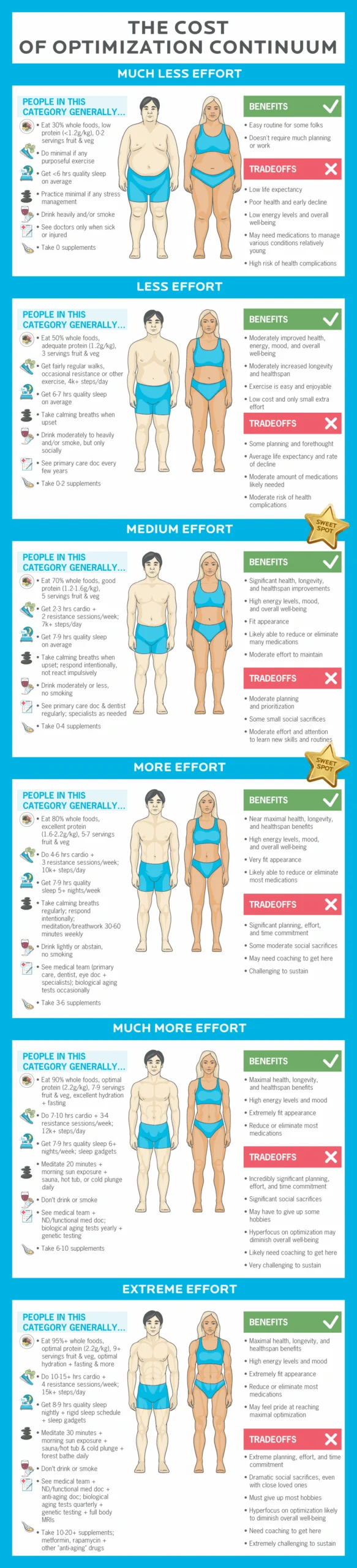
- Nutritional Excellence: Maintaining a balanced, whole-food-based diet.
- Physical Activity: Engaging in consistent, moderate-to-vigorous exercise.
- Weight Management: Maintaining a healthy body mass index (BMI) range.
- Moderate Alcohol Consumption: Limiting intake to avoid systemic health risks.
- Tobacco Abstinence: Total avoidance of smoking, which remains the leading preventable cause of death.
Studies conducted by longitudinal health cohorts have revealed that individuals who adhere to these five pillars consistently can expect to live more than a decade longer than those who do not. Furthermore, the benefit extends beyond mere lifespan; it encompasses "healthspan"—the number of years an individual lives free from chronic, debilitating diseases such as type 2 diabetes, cardiovascular complications, and various forms of cancer.
A Chronology of Health Advocacy
The evolution of public health guidance has transitioned from reactive crisis management to proactive, holistic education.
- Early 2020: The onset of the COVID-19 pandemic forced a global pivot. Public health officials were primarily focused on infection control, social distancing, and understanding viral transmission.
- Mid-2020: As lockdowns persisted, researchers observed a sharp decline in physical activity and a rise in sedentary behavior and processed food consumption. The medical community began to express concerns about the "second pandemic" of chronic lifestyle-related conditions.
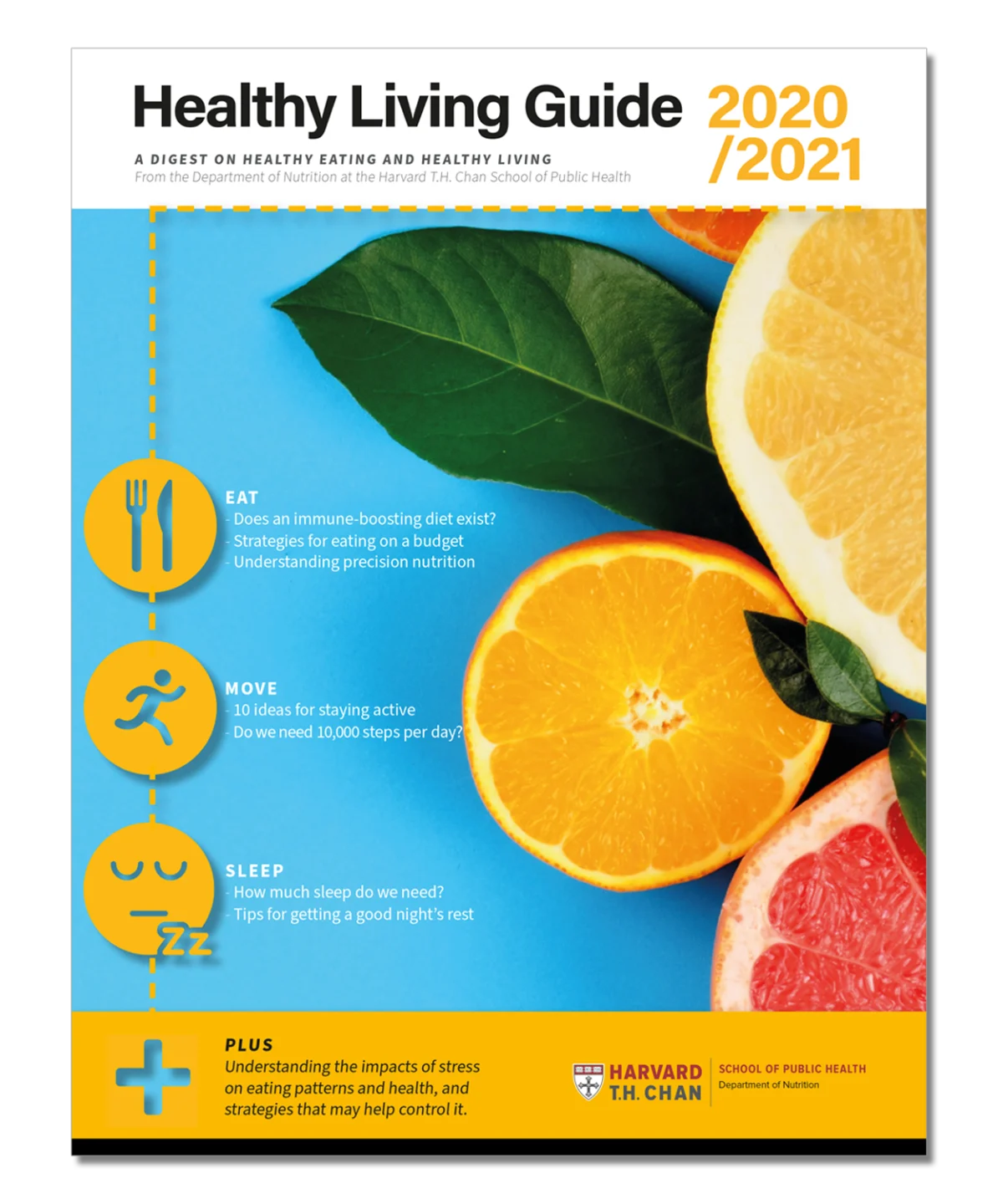
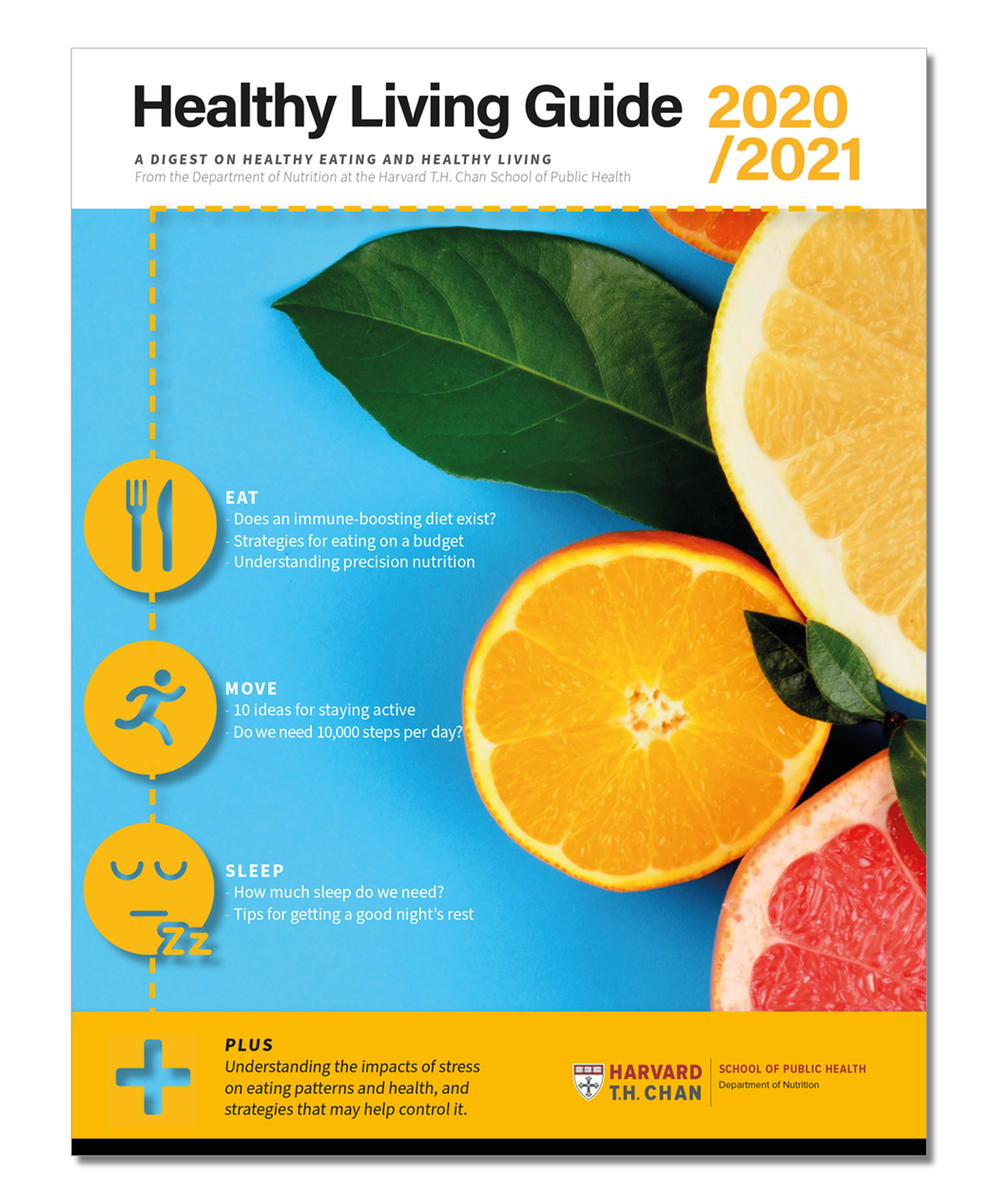
- Late 2020 to Early 2021: Recognizing the psychological and physical toll of long-term isolation, institutions like Harvard’s Nutrition Source began synthesizing years of clinical data into accessible, user-friendly formats. The release of the Healthy Living Guide marked a strategic shift toward empowering individuals with tools—such as printable tip sheets and interactive bingo challenges—to regain agency over their health.
- Present Day: The emphasis has moved toward sustainability. Health professionals now argue that the habits formed during the pandemic should serve as a permanent template for long-term health, emphasizing resilience as the primary defense against future health crises.
Supporting Data: The Science of Habit
The statistical backing for these five habits is staggering. In a landmark study involving tens of thousands of participants, researchers found that women who followed all five low-risk lifestyle factors at age 50 lived an average of 14 years longer, while men lived an average of 12 years longer.
The Impact on Chronic Disease
The data on disease prevention is equally compelling:
- Cardiovascular Disease: Proper nutrition and exercise reduce the risk of heart disease by managing blood pressure and cholesterol levels, which are primary drivers of mortality.
- Type 2 Diabetes: Maintaining a healthy weight through diet and activity significantly improves insulin sensitivity, effectively preventing or delaying the onset of the condition.
- Cancer Risk: Research published in journals such as Circulation suggests that smoking cessation and weight control are the most effective non-medical interventions for reducing the risk of tobacco-related and obesity-related cancers.
The cumulative effect of these behaviors is not additive but synergistic. A healthy diet fuels the exercise required for weight management, which in turn reduces the oxidative stress that contributes to systemic inflammation—a key precursor to many chronic diseases.
Official Responses and Expert Guidance
Public health authorities have faced the challenge of translating complex clinical findings into advice that resonates with a stressed and fatigued public. The consensus among the medical community is that "perfection is the enemy of progress."
Official responses have focused on three key areas:
- Accessibility: Providing free, downloadable resources to ensure that socioeconomic status is not a barrier to health information.
- Psychological Well-being: Acknowledging that stress reduction is a health habit in itself. Experts suggest that "fulfilling hobbies" and enjoyment should be prioritized alongside physical exercise.
- Community Engagement: Through tools like the "Healthy Living Bingo Challenge," health organizations are attempting to gamify wellness, turning the daunting task of lifestyle change into a series of small, achievable goals.
Dr. Walter Willett and other leading nutritionists emphasize that during times of uncertainty, the goal should be "health maintenance" rather than "health transformation." By focusing on small wins—such as replacing a sugary snack with fruit or taking a fifteen-minute walk—individuals can build the momentum necessary for long-term adherence.
Implications: The Future of Preventive Medicine
The implications of this shift toward lifestyle-centered health are profound. If a significant portion of the population adopted these five habits, the economic and social burden of chronic disease could be drastically reduced.
The Shift from Treatment to Prevention
For decades, modern medicine has been heavily skewed toward the treatment of acute and chronic conditions after they manifest. The current health climate suggests a necessary "paradigm shift" where preventive medicine takes center stage. This involves:
- Policy Support: Improving access to affordable, nutrient-dense foods in underserved communities.
- Urban Planning: Designing cities that encourage active transportation (walking and cycling).
- Healthcare Incentives: Shifting insurance models to reward wellness and disease prevention rather than just procedure-based care.
The Individual’s Role
Ultimately, the power rests with the individual. The "Healthy Living Guide" is not merely a document; it is a call to action. In an era where external circumstances are often outside of our control, managing one’s lifestyle is an act of defiance against the uncertainties of the future.
As we look toward the post-pandemic horizon, the lesson is clear: the strength of our immune systems, the clarity of our minds, and the length of our lives are largely determined by the small, mundane choices we make every day. By embracing the five pillars of healthy living—nutrition, exercise, weight control, moderate alcohol intake, and smoking cessation—we are not just living longer; we are ensuring that those extra years are defined by vitality, independence, and purpose.
For those seeking to begin this journey, the resources provided by public health institutions serve as a vital roadmap. Whether through downloading printable tracking tools or engaging in community-led wellness challenges, the path to a healthier future begins with the next step, the next meal, and the conscious decision to prioritize one’s own long-term well-being.