










ATLANTA — Federal health authorities have pinpointed a specific supply chain of shredded iceberg lettuce originating from Mexico as the primary vector in a surging, multistate outbreak of cyclosporiasis, a debilitating intestinal illness caused by the Cyclospora cayetanensis parasite.
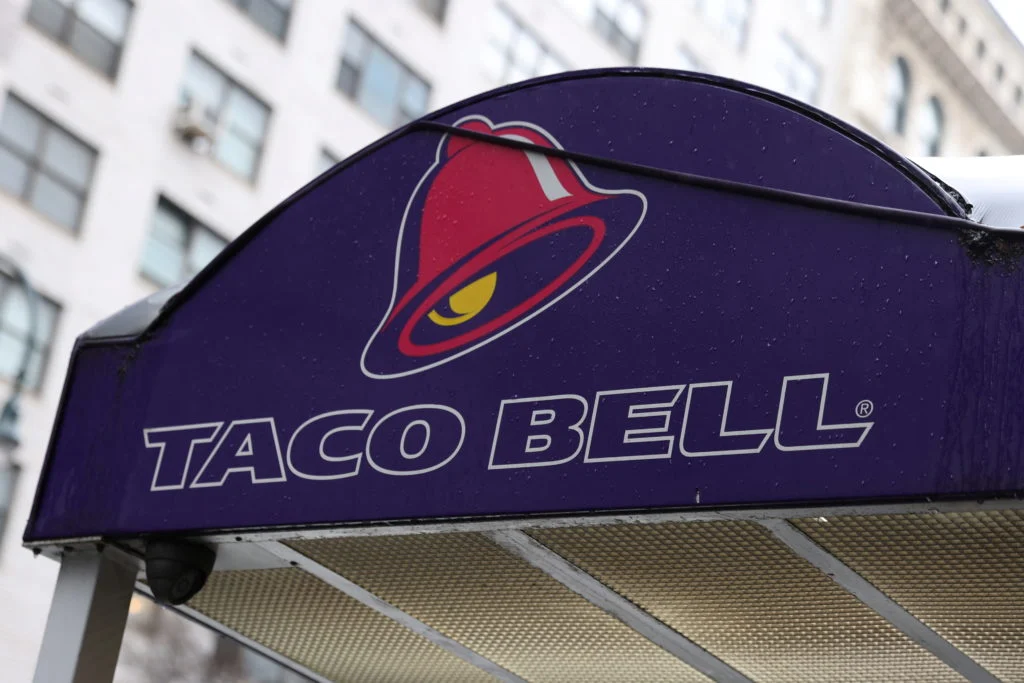
As of late Thursday, the Centers for Disease Control and Prevention (CDC) and the Food and Drug Administration (FDA) have issued urgent advisories urging consumers to avoid shredded iceberg lettuce served at Taco Bell locations across five specific states: Indiana, Kentucky, Michigan, Ohio, and West Virginia. While the investigation remains fluid, the sheer scale of the outbreak—which has now eclipsed previous national records—has prompted a sweeping industry-wide recall and renewed concerns regarding the safety of the fresh produce supply chain.
The Core Facts: Understanding the Pathogen and the Threat
Cyclospora cayetanensis is a microscopic, single-celled parasite that infects the human digestive tract. Unlike bacterial pathogens such as Salmonella or E. coli, which can often be identified through rapid laboratory culture, Cyclospora is notoriously difficult to detect. It cannot be grown in standard laboratory settings, and symptoms—which include frequent, sometimes explosive, watery diarrhea, fatigue, loss of appetite, and cramping—often do not manifest until a week or more after ingestion.
While generally not life-threatening, the current outbreak has resulted in significant morbidity. Michigan, currently identified as the epicenter of the crisis, has reported over 5,000 confirmed cases. When combined with more than 2,000 probable and suspected cases across over 30 states, the total impact has surpassed the 2019 outbreak, which was previously the largest on record with roughly 4,700 cases.
Despite the high number of infections, health officials have noted that no deaths have been attributed to this specific cluster. However, the intensity of the symptoms has led to over 100 hospitalizations in Michigan alone, with dozens more reported across the rest of the country.
A Chronology of the Investigation
The path to identifying the source of the contamination was a painstaking, multi-agency traceback operation.
- Initial Detection: Public health officials noted a suspicious spike in gastrointestinal illness reports in the late spring and summer months, a period when Cyclospora traditionally thrives in warmer climates.
- The Link to Taco Bell: As epidemiological data narrowed, investigators identified a consistent exposure point: Taco Bell restaurants in the Midwest. CDC investigators conducted interviews with patients, and the common thread was the consumption of menu items containing shredded iceberg lettuce.
- The Traceback: The FDA initiated a traceback investigation, moving upstream from the restaurants to the regional distribution centers and, eventually, to a single supplier of iceberg lettuce from central Mexico.
- Federal Warning: On Thursday, the CDC and FDA issued a formal advisory, advising consumers to avoid the specified lettuce at Taco Bell outlets in the five identified states.
- Supply Chain Pivot: By Friday, Taco Bell announced it had taken "immediate action" to remove the tainted ingredient from its nationwide supply chain, promising to replace the lettuce with safe stock within 24 hours in the affected regions.
- Voluntary Recall: Taylor Fresh Foods, the parent company of the supplier involved, announced a voluntary recall of all iceberg lettuce sourced from the central Mexican region for the U.S. market, acknowledging that the contaminated product was linked to a specific independent farm within its network.
Supporting Data: Why This Outbreak Is Different
The current surge in Cyclospora cases is part of a decade-long upward trend in domestic infections. Experts suggest that several factors are driving these record-breaking numbers.
Climate Change and Environmental Factors
The parasite is highly sensitive to environmental conditions. It is typically transmitted via the fecal-oral route, most commonly through produce that has been irrigated with contaminated water. As climate change alters water scarcity and rainfall patterns in agricultural regions, the risk of cross-contamination between untreated water sources and crops has increased.
Enhanced Detection Capabilities
Part of the "surge" in numbers may be attributed to improved clinical awareness. In previous years, Cyclospora was frequently misdiagnosed or missed entirely because standard diagnostic panels did not routinely test for the parasite. As medical providers have become more vigilant, detection rates have climbed.
Underreporting and Complexity
Despite better testing, the parasite remains elusive. Because the incubation period is long, patients often struggle to recall exactly what they ate two weeks prior. Furthermore, because Cyclospora can contaminate common ingredients—such as cilantro, basil, or lettuce—it is often difficult to trace a single, specific food item across a sprawling, multi-state supply chain.
Official Responses: Accountability and Transparency
The response from the private sector and federal regulators has been a mix of immediate containment and broad-reaching concern.
Taco Bell’s Stance
Taco Bell has attempted to distance its current operations from the contaminated stock, stating: "The affected ingredient from our supplier is being indefinitely removed from our supply chain nationwide." The company has emphasized that its primary concern is consumer safety, though they face the difficult task of restoring public trust in their produce quality.
The Supplier’s Position
Taylor Fresh Foods, a major player in the produce industry, issued a statement expressing profound concern. "As a family-owned and operated company, we are deeply concerned for those who became ill, their families, and the many Americans whose trust in the safety of their fresh produce has been shaken," the statement read. The company is currently cooperating with the FDA to determine if any other products remain on the market.
Regulatory Guidance
The FDA and CDC continue to monitor the situation. Officials have stressed that while Taco Bell is the current focus of the traceback, they cannot rule out the possibility that the same contaminated supply may have reached other retailers or food service providers. "The investigation is ongoing," a CDC spokesperson stated. "We are working to identify if other distribution channels are involved."
Implications: The Future of Produce Safety
The current outbreak serves as a stark reminder of the vulnerabilities inherent in the modern global food system.
The Problem with Pre-Washed Greens
Michigan health officials have taken the rare step of advising consumers to avoid pre-packaged, pre-washed, or bagged salad kits altogether, recommending instead that individuals purchase whole heads of lettuce. The reasoning is that processing facilities, which aggregate produce from various farms, can inadvertently turn a localized contamination event into a widespread public health crisis through the commingling of product.
Historical Context
This is not the first time the supply chain has been compromised. Taylor Farms has been associated with previous foodborne illness investigations, including a 2013 Cyclospora outbreak and a 2024 E. coli outbreak linked to onions at McDonald’s. These recurring incidents raise systemic questions about food safety audits, the inspection of international farms, and the transparency of the supply chain.
The Need for Systemic Change
As the investigation continues, public health experts are calling for more rigorous testing requirements for imported produce. The challenge, however, remains the nature of the parasite itself. Because it cannot be "grown out" in a lab, testing is often limited to molecular methods that are costly and time-consuming.
For the average American consumer, the immediate implication is one of heightened caution. While Taco Bell is currently working to purge its supply chain, the fact that state officials are still investigating whether the same lettuce reached other outlets suggests that the full extent of this outbreak may not yet be known.
"We are at a point where the scale of these outbreaks requires more than just a recall," said an independent food safety analyst. "It requires a fundamental re-evaluation of how we source, process, and distribute the fresh produce that forms the foundation of our daily diet."
As of this writing, consumers are advised to monitor the CDC website for updates on the affected states and to contact a healthcare provider if they experience symptoms of persistent, watery diarrhea, particularly if they have visited a Taco Bell or consumed pre-packaged salads within the last two to three weeks.