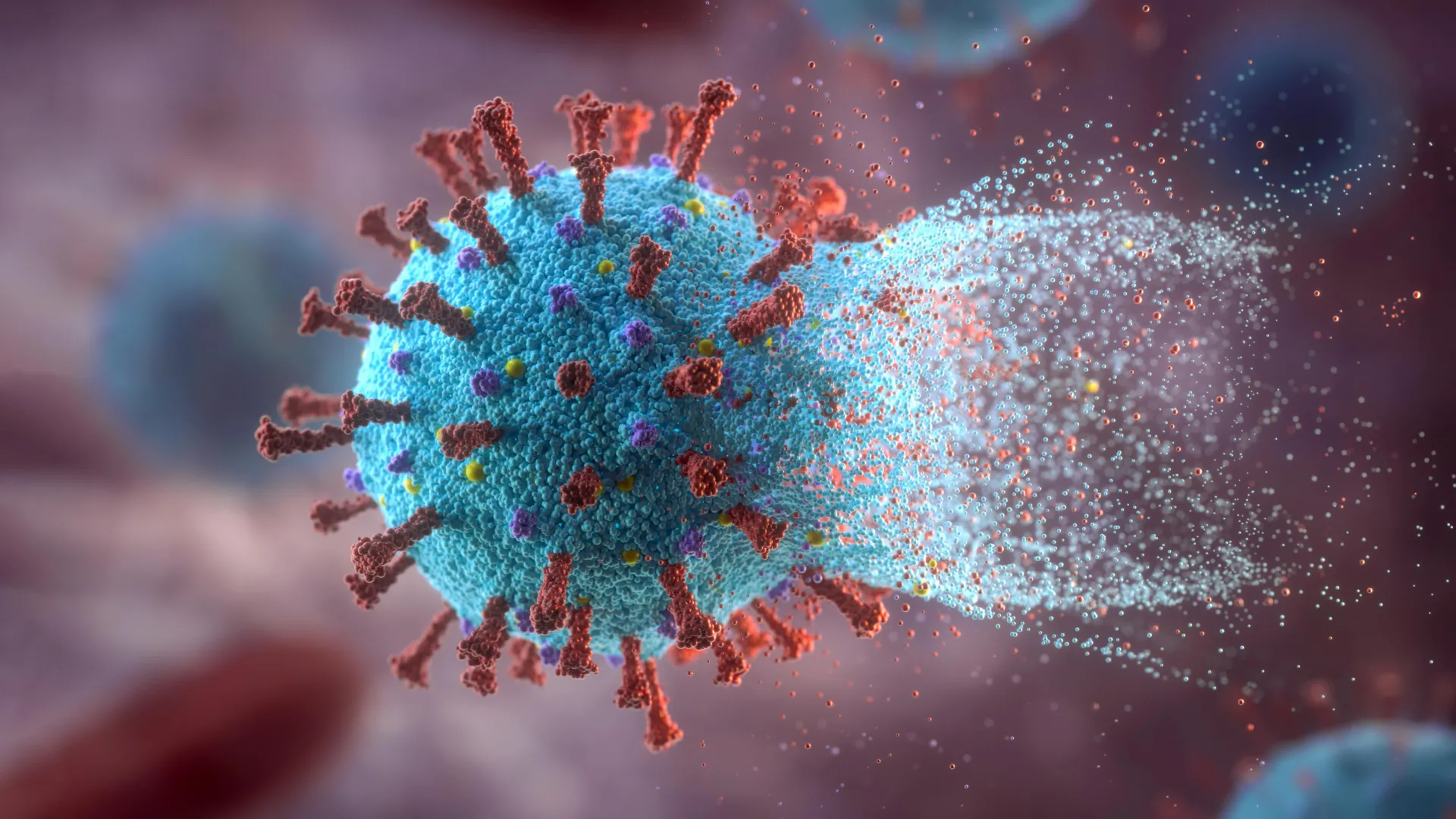
In the ongoing global effort to fortify humanity against future viral threats, researchers have turned their gaze toward the dense, biologically diverse corridors of Brazil’s Atlantic Forest. A team of international scientists has identified a promising class of natural compounds—galloylquinic acids—extracted from the leaves of Copaifera lucens Dwyer, which exhibit potent, multi-faceted activity against SARS-CoV-2, the virus responsible for COVID-19.
This discovery, recently published in the journal Scientific Reports, represents a significant shift in antiviral strategy. Unlike many conventional treatments that target a single viral protein, these natural molecules interfere with the virus at multiple stages of its life cycle, potentially offering a more robust defense mechanism that is less susceptible to viral resistance.
The Main Facts: A Multi-Pronged Molecular Attack
The research centers on Copaifera lucens, a species indigenous to Brazil. Under the guidance of Jairo Kenupp Bastos, a professor at the University of São Paulo’s Ribeirão Preto School of Pharmaceutical Sciences (FCFRP-USP), the team successfully isolated and characterized extracts rich in galloylquinic acids.
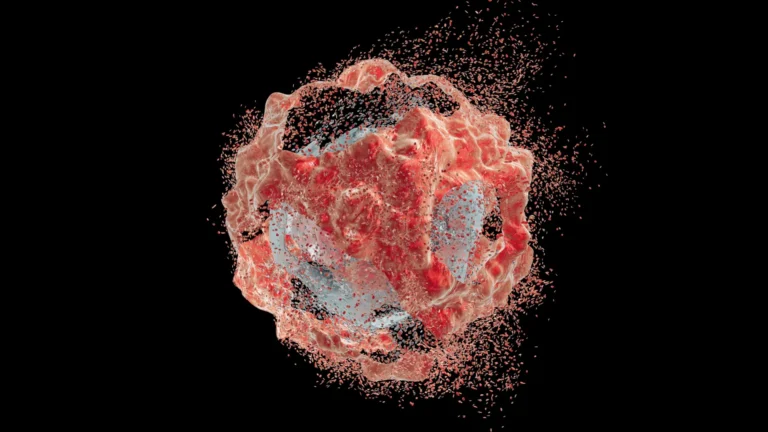
Laboratory results indicate that these compounds act as a multi-target inhibitor. By interacting with the virus at various points—including the receptor-binding domain of the spike protein, the papain-like protease (PLpro), and RNA polymerase—the molecules prevent the virus from docking with human cells, hinder its replication, and suppress the production of viral proteins. Furthermore, the compounds appear to possess inherent anti-inflammatory and immunomodulatory properties, which could prove critical in managing the cytokine storms often associated with severe COVID-19 cases.
Chronology of the Investigation
The path to this discovery was not linear; it was built upon decades of botanical inquiry and collaborative international effort.
Foundation and Selection (Pre-2020)
The research was rooted in the long-standing expertise of Professor Jairo Kenupp Bastos and his laboratory at FCFRP-USP. For years, the team has meticulously cataloged the chemical profiles and medicinal potential of the Copaifera genus. This deep institutional knowledge allowed the researchers to bypass trial-and-error, identifying Copaifera lucens as a prime candidate for antiviral exploration based on its phytochemical profile.
Isolation and Initial Screening (2021–2022)
With support from the São Paulo Research Foundation (FAPESP), the team moved to isolate the specific compounds from the leaf extracts. Before any antiviral testing could occur, the researchers conducted rigorous cytotoxicity tests. These assessments were vital to ensure that the concentrations required to inhibit the virus would not be harmful to human cells.
Biological Validation (2022–2023)
The biological study was conducted through a cross-continental collaboration. Mohamed Abdelsalam, of the Delta University of Science and Technology in Egypt and Pompeu Fabra University in Spain, led the study alongside Professor Lamiaa A. Al-Madboly (Tanta University) and Associate Professor Rasha M. El-Morsi (Delta University). Using plaque reduction assays—the gold standard for measuring the neutralization of viral particles—the team confirmed the efficacy of the compounds against SARS-CoV-2.
Analysis and Publication (2024)
The final stage involved molecular docking and interaction studies to understand how these molecules engage with the virus’s machinery. The findings were peer-reviewed and subsequently published, detailing the mechanism of action that makes galloylquinic acids a "triple-threat" against viral replication.
Supporting Data: Why Galloylquinic Acids?
Galloylquinic acids are not entirely unknown to the scientific community, which bolstered the researchers’ confidence in pursuing them. Their historical track record suggested a high likelihood of success:
- Broad Biological Activity: Previous literature has established that these compounds exhibit significant antifungal and anticancer activity in both in vitro and in vivo models.
- The HIV Precedent: In related studies, similar compounds demonstrated a potent ability to inhibit HIV-1. Crucially, these earlier tests showed that the compounds achieved viral suppression at lower toxicity levels than many synthetic alternatives, suggesting a favorable safety profile.
- Multi-Target Efficacy: The study revealed that these acids interfere with:
- Viral Entry: Blocking the spike protein’s interaction with cell surface receptors.
- Viral Evasion: Inhibiting PLpro, an enzyme the virus uses to "hide" from the host’s immune system.
- Replication: Disrupting RNA polymerase, effectively halting the production of new viral genetic material.
Official Responses and Researcher Insights
The collaborative nature of this study allowed for a holistic view of the pharmacology involved. "This integrated approach allowed us to understand how the compounds work and how they act at the molecular level," explained Dr. Mohamed Abdelsalam. By bridging the gap between field botany in Brazil and advanced microbiology in Egypt and Spain, the team created a comprehensive data set that validates the efficacy of natural product chemistry.
Professor Jairo Kenupp Bastos emphasizes the strategic advantage of this discovery in the context of drug resistance. "An important aspect revealed by this information is the multi-target mechanism of the compound, which reduces the likelihood of resistance developing," Bastos stated. "Many current antivirals act on only one viral protein, which promotes the development of resistant strains. By attacking the virus on multiple fronts, we significantly increase the barrier to viral mutation."
The collaboration also included significant contributions from researchers at Alexandria University, underscoring the necessity of global partnerships in solving localized health crises that have become global concerns.
Implications: The Strategic Value of Biodiversity
The study of Copaifera lucens serves as a poignant reminder of the untapped potential within the Earth’s biodiversity. While synthetic drug discovery often relies on computer-aided design, the "natural library" provided by the Atlantic Forest offers structures that have been refined by evolutionary pressures over millions of years.
The Path Forward
Despite the enthusiasm surrounding these laboratory findings, the researchers are careful to manage expectations. The journey from a laboratory plaque reduction assay to a pharmacy shelf is long and fraught with regulatory hurdles. The next critical steps include:
- In Vivo Studies: Transitioning from cell-based models to animal models to observe how the compounds are metabolized and distributed throughout the body.
- Pharmacokinetic Profiling: Determining the optimal dosage, stability, and bioavailability of the compounds in a complex biological system.
- Clinical Trials: Should the animal studies prove successful, the compounds would eventually enter human clinical trials to establish safety and efficacy in patients.
A Call for Conservation
Beyond the medicinal promise, this research highlights the urgent need to protect the ecosystems that yield such compounds. The Atlantic Forest, one of the most endangered biomes in the world, is a strategic asset for global health. The discovery reinforces that the conservation of flora is not merely an environmental concern, but a matter of national and global security. As modern medicine continues to face the specter of "superbugs" and emerging zoonotic viruses, the chemical diversity found in plants like Copaifera lucens may hold the keys to the next generation of life-saving therapies.
In conclusion, the work led by FCFRP-USP and their international collaborators is a testament to the power of interdisciplinary science. By marrying traditional botanical knowledge with cutting-edge molecular biology, the team has opened a new door in the fight against COVID-19—a door that leads directly into the heart of one of the world’s most precious and threatened forests. The road ahead remains demanding, but the promise of a multi-target, low-toxicity antiviral derived from nature remains a beacon of hope for future pandemic preparedness.