The global pharmaceutical landscape is undergoing a profound transformation. In the first four months of 2026, the industry has witnessed an unprecedented acceleration in mergers and acquisitions (M&A). Far from the cautious, wait-and-see approach that characterized much of the post-pandemic era, Big Pharma is now aggressively deploying capital to secure its future. With upfront payments soaring to over $64 billion—a massive leap from the $24.5 billion recorded during the same period in 2025—the industry is signaling a clear intent: survival and dominance are best achieved through rapid, targeted consolidation.
The State of the Market: Main Facts and Figures
The data, tracked by BioPharma Dive, reveals that the volume of activity has nearly doubled year-over-year, rising from 14 deals in early 2025 to 24 deals by April 2026. While the industry has yet to see a traditional "megamerger" of the scale seen in years past, the "mid-to-large" tier of dealmaking is flourishing.
A defining moment for the year occurred with Sun Pharma’s $11.75 billion acquisition of Organon. This transaction is historic, marking the largest pharmaceutical acquisition ever executed by an India-based firm. This deal stands in stark contrast to the start of 2025, which saw only one deal exceeding the $5 billion threshold: Johnson & Johnson’s $14.6 billion acquisition of Intra-Cellular Therapies. The prevalence of these high-value acquisitions suggests that large-cap pharmaceutical companies are no longer satisfied with bolt-on assets; they are seeking transformational pipelines that can deliver immediate revenue and long-term innovation.
Chronology of a Buying Spree
The current M&A environment is the result of pent-up demand finally breaking through the barriers of political and economic uncertainty. Throughout 2024 and early 2025, many firms held their cash reserves tight, wary of regulatory scrutiny and fluctuating interest rates. However, as 2026 progressed, the necessity of replenishing pipelines became an existential priority.
- January-February 2026: Initial activity was characterized by strategic positioning. Companies began targeting specific gaps in their oncology portfolios, responding to early-year clinical trial readouts.
- March 2026: The market saw a significant uptick in activity as the "patent cliff" narrative intensified. Large firms began aggressively bidding for firms with mid-stage clinical assets to ensure future revenue streams.
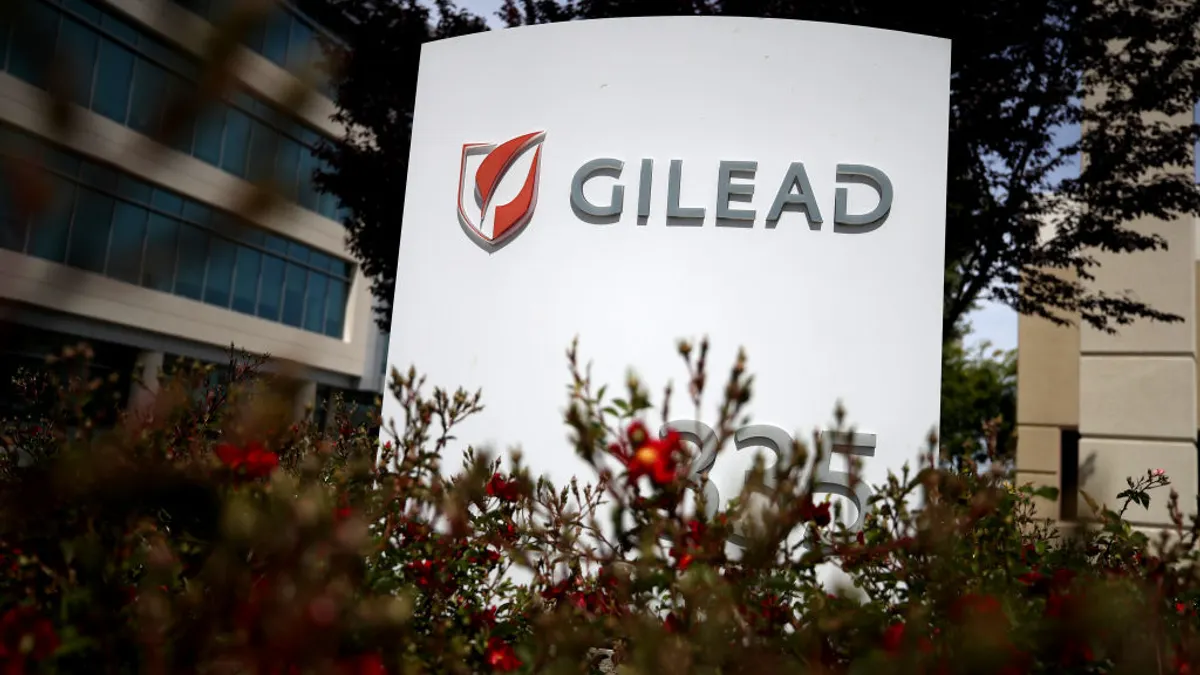
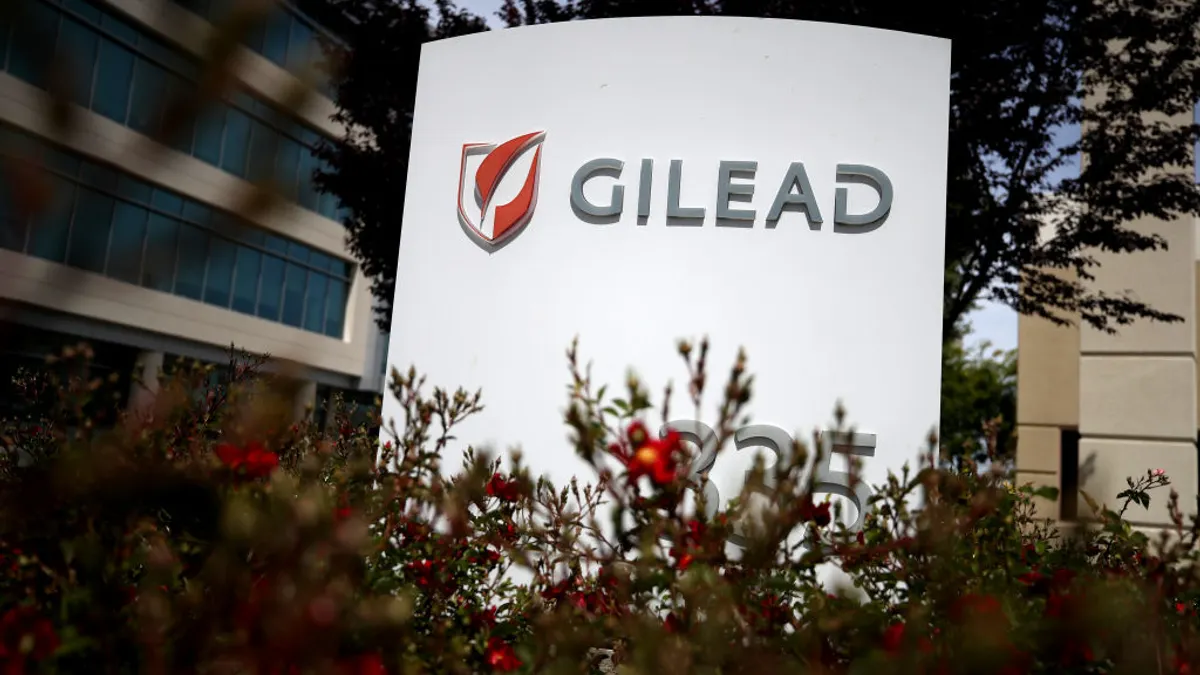
- April-May 2026: The sector reached a fever pitch. Gilead Sciences finalized its acquisition of Arcellx, securing full control over an investigational cell therapy for multiple myeloma. Simultaneously, Eli Lilly, buoyed by the historic success of its GLP-1 weight loss portfolio, expanded its footprint in the Central Nervous System (CNS) space through its deal with Centessa Pharmaceuticals.
Supporting Data: Where the Capital is Flowing
The allocation of capital provides a roadmap for where the industry perceives the next decade of medical breakthroughs will occur. Oncology remains the undisputed king of therapeutic investment, attracting approximately $25.4 billion in upfront payments so far this year.
However, the rapid ascent of immunology is the story of the quarter. Autoimmune diseases have drawn $12.7 billion in upfront capital across five significant deals. This surge aligns with broader clinical trial data; reports from Citeline indicate that trials for autoimmune treatments surged by nearly 15% in 2024, providing a strong signal to investors that the field is ripe for commercialization.
CNS (Central Nervous System) treatments have also seen a robust $11.3 billion in investment. The interest in this space, exemplified by Biogen’s acquisition of Apellis Pharmaceuticals, reflects an industry-wide pivot toward addressing complex, chronic conditions that have historically been difficult to treat.
Comparative Table of Top Therapeutic M&A Targets (2026 YTD)
| Therapeutic Area | Upfront Payments (Approx.) | Deal Count |
|---|---|---|
| Oncology | $25.4 Billion | High |
| Autoimmune | $12.7 Billion | 5 Deals |
| CNS | $11.3 Billion | 5 Deals |
Corporate Strategies: Gilead, Lilly, and the Patent Cliff
The "patent cliff" is not a distant threat; it is a current reality. By 2030, the industry faces the potential loss of $300 billion in annual revenue as blockbuster drugs lose patent protection. Merck & Co. is a primary case study in this struggle. With its flagship cancer treatment, Keytruda, expected to hit a revenue peak of roughly $32 billion this year, the company is acutely aware that it must diversify. Merck’s acquisition of Terns Pharmaceuticals is a tactical move to bolster its oncology pipeline before the inevitable drop in exclusivity for Keytruda.

Conversely, the strategy of Eli Lilly presents a different dynamic. Unlike peers struggling with impending patent expirations, Lilly is operating from a position of immense financial strength. The meteoric rise of its GLP-1 receptor agonist portfolio has created a "cash-rich" environment that has allowed the company to spend over $10 billion on acquisitions this year alone. Rather than acting out of desperation to plug revenue holes, Lilly is using its capital to secure market leadership in the next generation of metabolic and CNS medicines.
Official Responses and Market Analysis
Industry experts have largely validated this behavior as a rational response to current market pressures. According to analysis from the BioPharma Dive tracker and PharmaVoice, the "buy vs. build" calculation has shifted decisively in favor of buying.
"Companies can no longer afford to wait," one analyst noted. "The cost of internal R&D failure is too high when you are facing a $300 billion hole in your collective revenue projections. Acquiring proven, de-risked assets—even at a premium—is now the preferred method of risk management."
Furthermore, the rise of multispecific antibody drugs has become a focal point of these acquisitions. The high clinical efficacy and favorable safety profiles of these molecules have made them the "gold standard" targets for companies like UCB, which recently acquired Candid Therapeutics. This acquisition specifically targets "immune reset" drugs, signaling that the future of the field lies in therapies that can modulate the immune system rather than merely suppressing it.
Implications for the Future of Healthcare
The rapid consolidation of the biotech and pharma space in 2026 has several long-term implications for the healthcare ecosystem:
- Innovation Through Acquisition: While some critics argue that M&A stifles competition, supporters point out that the massive R&D budgets of Big Pharma are essential for taking a drug from a promising early-stage discovery to a globally available medicine.
- Specialization: The focus on oncology, immunology, and CNS suggests that the next generation of medicine will be highly personalized. The "one-size-fits-all" blockbuster model is slowly being replaced by a more precise, target-driven approach to disease.
- Pricing Pressures: With high upfront costs paid to acquire these companies, the pressure on long-term pricing will remain a central theme in regulatory and political discourse. How companies recoup their $64 billion investment will likely invite increased scrutiny from the FTC and international regulatory bodies.
- The Talent War: As firms consolidate, the competition for specialized talent in immunology and cell therapy is intensifying. We can expect to see companies not only acquiring assets but also engaging in "acqui-hiring" to secure the intellectual capital required to run these complex programs.
As we move into the second half of 2026, the question is not whether the deal-making will continue, but whether the industry can successfully integrate these massive acquisitions. The ability of companies like Gilead, Merck, and Lilly to transform these purchased assets into standard-of-care treatments will ultimately determine if this multi-billion dollar bet pays off for shareholders and patients alike. For now, the message from the boardroom is clear: in an era of volatility, the best defense is a proactive, aggressive offense.