The transition to college is a milestone defined by newfound autonomy, intellectual growth, and the promise of future career paths. For the average student, the shift involves adjusting to dorm life and managing a heavy course load. However, for students living with Ehlers-Danlos Syndrome (EDS)—a group of connective tissue disorders characterized by joint hypermobility, tissue fragility, and chronic pain—the college experience requires an additional layer of strategic planning.
While the independence of university life offers opportunities to manage health conditions on one’s own terms, the unpredictable nature of EDS and its common comorbidities necessitates a proactive approach to academic and physical support. By securing accommodations early and understanding one’s legal rights, students can ensure that their disability does not become a barrier to their academic potential.
The Complex Landscape of EDS in Academia
Ehlers-Danlos Syndrome is rarely a solitary diagnosis. Clinical data indicates that EDS is frequently comorbid with a constellation of conditions that can severely impact a student’s daily functioning. These include Postural Orthostatic Tachycardia Syndrome (POTS), which can cause dizziness and fainting during long lectures; Mast Cell Activation Syndrome (MCAS), which complicates dietary needs; and various gastrointestinal disorders that require proximity to facilities. Furthermore, the high prevalence of migraines, chronic fatigue, and neurodivergent conditions like Autism Spectrum Disorder means that the "EDS experience" is deeply individualized.
Because no two students with EDS have the same symptom profile, a "one-size-fits-all" approach to college accommodations is ineffective. Success lies in the ability to bridge the gap between personal symptom management and the formal resources provided by institutional Disability Services offices.
Proactive Symptom Management: Strategies Beyond the Formal Request
Before formalizing accommodations, students can often improve their daily experience through self-advocacy and personal organization. Cultivating professional relationships with faculty is the most effective "unofficial" accommodation. When professors understand that a student is academically serious and proactive, they are often more inclined to provide flexibility regarding minor issues, such as the need for movement breaks or standing during lectures.
Ergonomics and Physical Comfort
Managing EDS in a classroom often starts with the physical environment. Students should consider:
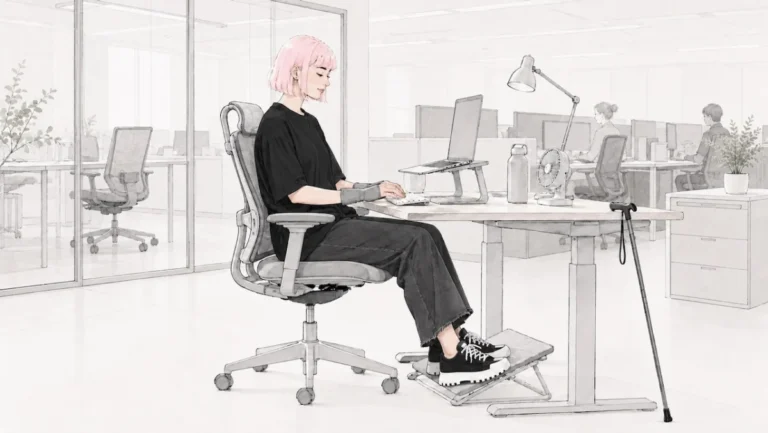
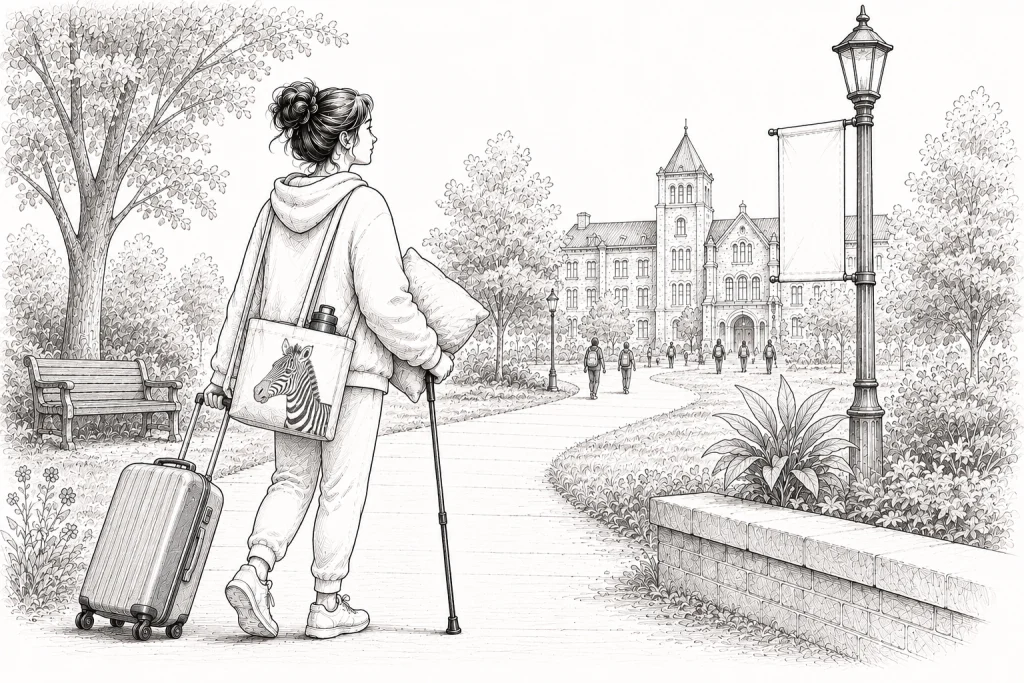
- Seating Optimization: Investing in a portable seat cushion for hard lecture hall chairs or using a lumbar support pillow to maintain spinal alignment.
- Movement Breaks: If prolonged sitting triggers joint subluxation or pain, practice "stealth movement"—standing in the back of the room or stretching discreetly to maintain circulation.
- Hydration and Nutrition: For students with POTS or GI issues, carrying a high-electrolyte drink and "safe" snacks is vital. Ensure that professors are aware of the medical necessity of these items to avoid conflicts with classroom "no food/drink" policies.
The Necessity of Formal Disability Registration
Many students—often referred to in the community as "spoonies"—attempt to navigate their first semester without registering with Disability Services. While this is possible for some, it is inherently risky. EDS is characterized by "flares," where symptoms can rapidly worsen due to stress, weather changes, or academic burnout.
Registering with the college’s Disability Services office creates a safety net. By establishing a file early, a student can trigger support mechanisms immediately if their health declines, rather than scrambling to provide medical documentation during a crisis.
Building Your Documentation Portfolio
To ensure a smooth registration process, students should provide a comprehensive "picture" of their condition to the disability office. This includes:
- Letters of Diagnosis: Official documentation from specialists (geneticists, rheumatologists, neurologists).
- Functional Limitations: A clear, written summary of how symptoms like fatigue, brain fog, or joint instability specifically impact classroom performance.
- Historical Precedents: If the student had an IEP or 504 plan in high school, include those records as they provide a proven roadmap of what worked previously.
Categorizing Classroom and Testing Accommodations
When determining whether an accommodation requires a formal request, apply the "Two-Question Test":
- Does the request alter the fundamental requirements of the course?
- Does the request provide an equitable opportunity that the student would otherwise be denied due to their disability?
If the answer to these questions necessitates an official institutional change, it is time to engage with the Disability Services office.
Attendance and Flexibility
For students with EDS, attendance can be inconsistent. Requesting "flexible attendance" or "extended deadlines" as an accommodation can mitigate the stress of missing class due to a flare-up. This is not about receiving special treatment; it is about ensuring that a health-related absence does not result in an unfair academic penalty.
Cognitive and Technological Supports
Brain fog and chronic pain can make traditional note-taking difficult. Students may qualify for:
- Lecture Recordings: Using software like Glean or Otter.ai to capture lectures, allowing the student to focus on listening rather than writing.
- Alternative Formats: Access to digital textbooks or screen-reading software to accommodate visual disturbances or reading fatigue.
- Speech-to-Text Software: For students experiencing hand/wrist pain or hypermobility-related injuries, voice-to-text programs like Dragon NaturallySpeaking can be essential for writing essays.
Testing Accommodations
Testing environments are often the most difficult settings for students with EDS due to the need for prolonged stillness and high levels of focus. Common formal accommodations include:
- Extended Time: Providing time-and-a-half or double time to account for the need for physical breaks, medication administration, or cognitive fatigue.
- Reduced-Distraction Environments: Taking exams in a private room to manage sensory sensitivities or pain management techniques.
- Physical Assistance: The use of a scribe or a computer for students who cannot physically write for extended periods without risking injury.
Housing and Campus Infrastructure: Beyond the Classroom
The "living" aspect of college life is just as critical as the academic side. Students with EDS should request housing accommodations well in advance of the semester.
- Proximity and Accessibility: Requesting a room near campus centers or on the ground floor to minimize walking distances.
- Climate Control: If temperature fluctuations trigger MCAS or POTS symptoms, priority access to air-conditioned housing is a reasonable and necessary request.
- Kitchen Access: Students with complex dietary needs or gastrointestinal issues should advocate for access to a private or semi-private kitchen to ensure the ability to prepare safe, allergen-free meals.
Navigating the Institutional Dialogue
The process of securing accommodations often involves negotiation. If a disability office denies a request, it is not necessarily the end of the road. Students should be prepared to:
- Request an Interactive Process: Ask for a meeting to discuss why a specific accommodation was denied and what alternatives the school proposes.
- Provide Clarification: Sometimes, an accommodation is denied because the office does not understand the mechanism of the disability. Providing peer-reviewed literature or detailed doctor’s notes can bridge this gap.
- Advocate Assertively: Remember that disability rights laws, such as the Americans with Disabilities Act (ADA) and Section 504 of the Rehabilitation Act, provide a legal foundation for these requests. You are asking for equal access, not an advantage.
Conclusion: The Path Forward
The fundamental goal of higher education is to challenge the mind, not the body. While living with Ehlers-Danlos Syndrome adds a layer of complexity to the collegiate journey, it also fosters a level of self-advocacy and resilience that is unmatched. By building a robust support system, utilizing institutional resources, and maintaining open communication with faculty, students with EDS can successfully transition from the challenges of their condition to the triumphs of their education.
College is a time for transformation. By securing the necessary support, you ensure that your academic experience is defined by your intellect, your curiosity, and your ambition—not by the limitations of your biology.