









As the vibrant hues of autumn foliage take hold and the air turns crisp, the seasonal transition brings a unique set of challenges that can profoundly impact the aging population. While the allure of Halloween festivities and the relief from summer’s sweltering heat offer joy, the shortening days and cooling temperatures require a proactive approach to safety. For older adults, the shift in seasons is not merely a change in the calendar; it is a period where environmental risks—ranging from increased fall hazards to diminished visibility—necessitate deliberate adjustments to daily routines.
In this report, we explore the essential safety measures for aging in place during the fall, the physiological reasons behind these heightened risks, and the vital role of community support in ensuring the wellbeing of our seniors.
The Seasonal Shift: Understanding the Risks
The transition into late autumn is marked by a steady decline in daylight hours. Even before the official end of Daylight Savings Time, the earlier arrival of dusk poses significant challenges for those whose depth perception and night vision may be naturally declining.
Physiological Vulnerabilities
Aging is an inevitable process that affects sensory perception. As we grow older, the pupils often shrink, allowing less light to reach the retina. This makes the eyes less sensitive to dim environments and increases the recovery time needed when transitioning from bright sunlight to shadows. Furthermore, the body’s internal thermostat—the hypothalamus—can become less efficient at regulating core temperature. This, combined with the side effects of certain medications, such as beta-blockers or diuretics, can make older adults more susceptible to hypothermia and cold-related stress, even when the temperature is not freezing.
The Geography of the Fall
Statistically, falls remain the leading cause of injury among older adults. During the autumn months, these risks are compounded by external factors. Fallen leaves, while aesthetically pleasing, often mask uneven pavement, tree roots, or cracks in sidewalks. When wet, these leaves become as slick as ice, creating a hidden danger for those with compromised balance or gait.
Strategic Adaptations for Autumn Safety
To mitigate these risks, experts and advocates suggest a multi-faceted approach to daily living. By adjusting habits and modifying the home environment, older adults can maintain their independence while significantly reducing the likelihood of accidents.
1. The Power of Daylight Scheduling
The most effective way to avoid the dangers of low-light conditions is to avoid them altogether. By prioritizing outdoor activity during the peak hours of sunlight, seniors can ensure they have maximum visibility for their surroundings.
- Morning Exercise: Shifting a daily walk from the evening to the mid-morning not only provides better visibility but also exposes the individual to Vitamin D-rich sunlight, which is essential for bone health and mood regulation.
- Errand Optimization: Scheduling medical appointments or grocery trips for mid-day allows for safer navigation of parking lots and sidewalks, where debris or wet leaves are more easily spotted.
2. Home Illumination: A Proactive Defense
Lighting is a fundamental safety tool. A well-lit home is significantly less likely to be the site of a fall.
- Strategic Solar Lighting: Installing motion-activated, solar-powered path lights in driveways and walkways provides a constant, non-intrusive guide for the homeowner and essential visibility for emergency responders or delivery personnel.
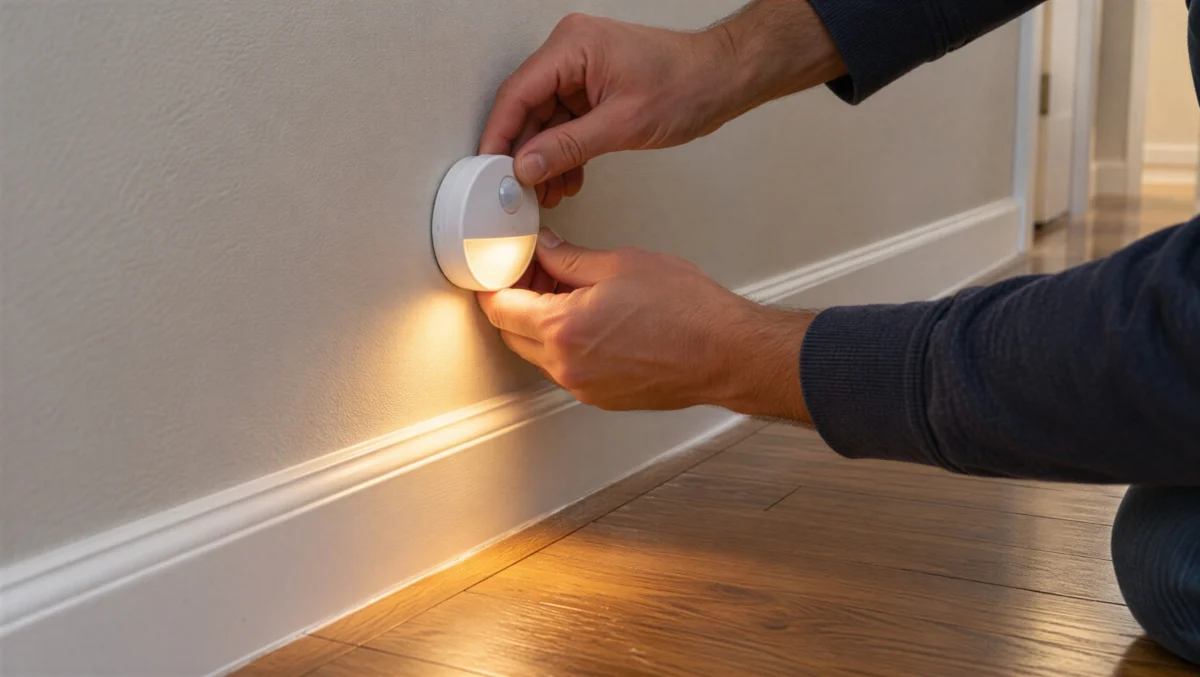
- Indoor Enhancements: Integrating motion-sensor nightlights in bathrooms and hallways is critical. For those who wake in the middle of the night, these lights prevent the disorientation that often leads to falls.
- Decluttering Pathways: Rugs that slide or clutter in high-traffic hallways should be removed or secured with non-slip backing. During autumn, it is equally important to clear porch steps and entryways of tracked-in debris or leaves that can quickly become a slip hazard.
3. Driving Safely in a Changing Climate
The automotive environment is particularly dangerous for the aging driver during the autumn transition. Glare from the low-hanging sun and the difficulty of navigating in twilight require extra vigilance.
- Maintenance Checks: Ensuring that windshields are free of streaks and that wiper blades are fresh is crucial. Dirty glass acts as a prism for oncoming headlights, causing blinding glare.
- Refining Travel Plans: If night driving causes anxiety or strain, it is a sign that it may be time to transition to daytime-only driving. Utilizing rideshare services, public transit, or local senior transport programs during evening hours is a responsible, proactive step in maintaining autonomy without compromising safety.
The Cold Weather Protocol
Temperature regulation is a serious health concern as the mercury drops. The body’s ability to sense and respond to cold decreases with age, meaning an older adult might not realize they are becoming dangerously chilled.
Layering for Success
The "layering" method is the gold standard for temperature management. A base layer of moisture-wicking material, a middle layer for insulation, and a water-resistant outer shell provide the flexibility needed for fluctuating weather. This allows the individual to adjust their clothing if the afternoon turns unexpectedly warm or the evening brings a sharp frost.
The Vehicle Emergency Kit
For those who continue to drive, the vehicle must be treated as a mobile survival kit. During the autumn and approaching winter, the trunk should contain:
- A high-visibility jacket.
- A powerful flashlight with extra batteries.
- Non-perishable snacks and water.
- Emergency flares or a reflective triangle.
- An extra wool blanket.
The Role of the Caregiver: Addressing Social Isolation
While physical safety is paramount, the mental and emotional toll of the shorter, colder days should not be underestimated. As we move away from the social, active months of summer, many seniors face a heightened risk of loneliness and the onset of Seasonal Affective Disorder (SAD).
Bridging the Gap
For family members, neighbors, and caregivers, the autumn transition is an invitation to deepen engagement.
- Scheduled Check-ins: A simple phone call during the early evening—a time when many seniors feel the most isolated—can have a profound impact on mental health.
- Assisted Transit: Offering a ride to a social event, a religious service, or a grocery store during the dark hours eliminates the stress of driving for the senior and provides a valuable opportunity for social connection.
- Mental Health Awareness: Watch for signs of lethargy, changes in appetite, or a loss of interest in hobbies. These can be markers of SAD or underlying depression, which are often exacerbated by the lack of sunlight.
Official Perspectives and Public Health Implications
According to public health advocates, including Katie Riley, Vice President of Communications for the Alliance for Aging Research, these precautions are not just "tips"—they are essential public health strategies.
"The transition into the fall season is a pivot point for the health of our older population," Riley notes. "By taking proactive steps to illuminate our homes, adjust our travel schedules, and stay connected with our aging loved ones, we create a supportive infrastructure that allows for a safe and enjoyable autumn."
The implications are clear: the cost of a fall-related injury or a health emergency during the colder months far outweighs the minor inconvenience of adjusting one’s schedule. A proactive mindset, supported by community awareness, transforms a season of potential risk into a season of sustained quality of life.
Conclusion: A Season of Vigilance and Connection
Autumn is a time of beauty and reflection, but it demands a heightened level of awareness from older adults and those who care for them. By acknowledging the physiological changes that accompany aging, preparing the home for reduced visibility, and prioritizing social connection, we can ensure that the transition into winter is marked by safety and comfort rather than accident and isolation.
As the days grow shorter, let us ensure that our vigilance grows longer, protecting the health and dignity of our seniors with the same care they have provided to us throughout our lives. Whether it is installing a simple motion-sensor light or making that extra phone call, every action contributes to a safer, more connected community for all generations.