


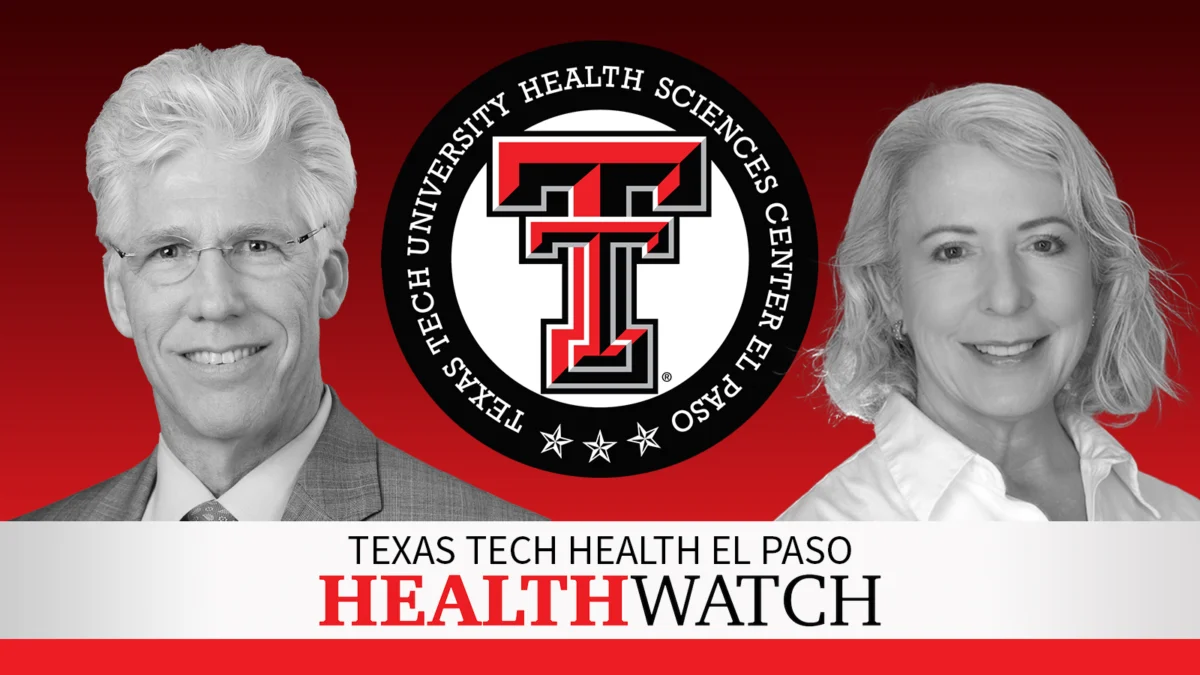
Date: October 31, 2026
Source: TTHealthWatch Podcast, Texas Tech University Health Sciences Center El Paso
Hosts: Elizabeth Tracey, Johns Hopkins Medicine; Rick Lange, MD, President of Texas Tech Health El Paso
In an era of rapidly evolving medical technology, the gap between clinical research and bedside application is closing at an unprecedented rate. This week on TTHealthWatch, medical experts Elizabeth Tracey and Dr. Rick Lange break down the most significant developments in chronic disease management, oncology, transplant medicine, and digital health. From the democratization of continuous glucose monitoring (CGM) to the integration of Artificial Intelligence (AI) in epilepsy care, these advancements represent a transformative shift in patient-centered treatment.
I. Main Facts: The Week’s Top Medical Headlines
The current landscape of medical innovation, as highlighted in the latest literature from the New England Journal of Medicine, Nature Medicine, and JAMA, focuses on four distinct areas of concern:
- Continuous Glucose Monitoring (CGM) for Non-Insulin Users: A 26-week study suggests that CGM technology, previously reserved for patients on insulin, significantly improves hemoglobin A1c levels in type 2 diabetes patients relying on oral medications.
- Targeting KRAS in Pancreatic Cancer: Researchers are investigating lymph node-targeted, KRAS-specific vaccines to improve disease-free survival in patients with pancreatic adenocarcinoma.
- Pregnancy Outcomes Following Kidney Donation: A longitudinal study examines the maternal-fetal risks for women who have previously donated a kidney, providing essential data for donor counseling.
- AI-Driven Epilepsy Management: A novel platform utilizing Large Language Models (LLMs) and EEG monitoring aims to give patients with intractable epilepsy real-time insights into their seizure risks.
II. Chronology and Trial Analysis
Continuous Glucose Monitoring: Beyond Insulin Dependency
For years, CGM devices have been the gold standard for type 1 and insulin-dependent type 2 diabetes. However, their efficacy for those not on insulin remained speculative. The recent 26-week trial involved 22 primary care practices across the United States. Researchers randomized 283 participants into two groups: those receiving standard care and those utilizing CGM technology.
The findings were striking: participants using CGM saw their HbA1c levels drop from an average of 8.8% to 7.2%, compared to a more modest decline of 8.7% to 8.0% in the routine care group. Notably, the CGM users spent 21% more time in the target glucose range without an increased risk of hypoglycemia, suggesting that real-time data feedback empowers patients to make proactive lifestyle adjustments.
Pancreatic Cancer: The Immunotherapy Frontier
In the wake of recent successes in melanoma vaccine research, the oncology community is pivoting toward the "bad actor" of solid tumors: pancreatic cancer. The study focused on an experimental agent, camupepimut, designed to stimulate KRAS-mutated T-cell responses. While the primary endpoint of disease-free survival was not met after six months, the data revealed a critical "dose-survivor" relationship. Patients who experienced a robust T-cell response (a 9-fold increase or higher) demonstrated better clinical outcomes. This suggests that while the current iteration requires refinement, the immunogenic signal is strong enough to warrant a confirmatory Phase III trial.
Kidney Donation and Maternal Health
The JAMA study, which analyzed female kidney donors between 1992 and 2021, addresses a critical gap in transplant education. With 65% of living kidney donors being female and a high proportion of childbearing age, the risk to subsequent pregnancies is a vital topic. The study found that while donors had a slightly higher risk of gestational hypertension, preeclampsia, or eclampsia (12% vs 8% in non-donors), 86% of donor-pregnancies remained free of these complications. This data provides a nuanced baseline for clinicians counseling prospective donors who intend to start or grow their families.
Epilepsy and the AI Collaboration
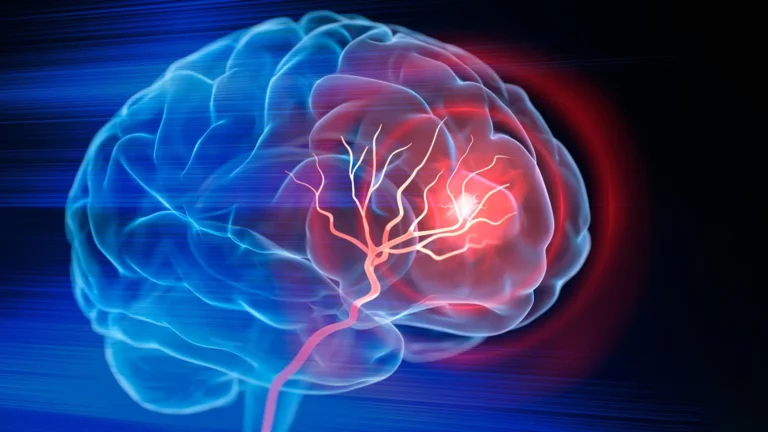
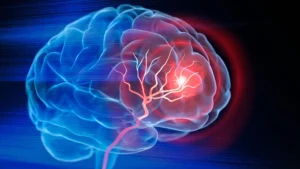
In a pilot study that feels like science fiction becoming reality, researchers developed a system that bridges the gap between brain signals and patient awareness. By linking intracranial and scalp EEG data to an AI model, the platform notifies patients of seizure probabilities through a smartphone app. This creates a bidirectional flow of information: the machine learns from the patient’s symptoms, and the patient learns from the machine’s predictions.
III. Supporting Data and Clinical Insights
The strength of these studies lies in their methodology and the clarity of their results:
- CGM Adherence: In the diabetes study, adherence was remarkably high, with a median usage rate of 97%. This dispels the fear that patients would experience "data fatigue" or abandon the technology after a few weeks.
- KRAS Prevalence: The urgency of the pancreatic cancer vaccine research is underscored by the fact that 75–80% of pancreatic adenocarcinomas harbor KRAS mutations. Similar mutations are found in 35–45% of colorectal cancers and 25% of non-small cell lung cancers, making the potential for these vaccines far-reaching.
- Transplant Statistics: With a 55% reduction in long-term mortality for patients receiving a transplant compared to those on dialysis, the push to normalize and support the living donation process remains a global public health priority.
IV. Official Responses and Expert Commentary
Dr. Rick Lange, president of Texas Tech Health El Paso, emphasizes that the findings on CGM for non-insulin users should prompt a shift in standard clinical practice. "There is no downside," Dr. Lange noted. "We ought to be extending this to all of our patients that have type 2 diabetes, regardless of whether they’re on insulin or not."
Regarding the AI-epilepsy project, both Tracey and Dr. Lange raised valid questions about the "intervention gap." While informing a patient of an impending seizure is a breakthrough, the clinical utility depends on what the patient can do with that information. "Is it useful or not?" Dr. Lange asked. "That’s the next step." The authors of the study acknowledge this, pointing toward the potential for "rescue medications," though the efficacy of such interventions remains under active investigation.
V. Implications for the Future of Medicine
The Move Toward Proactive Care
The common thread across these studies is the transition from reactive to proactive healthcare. Whether it is a diabetic patient observing their glucose spikes in real-time on a smartphone or an epilepsy patient being alerted to potential triggers before a seizure occurs, the patient is increasingly positioned as a partner in their own care.
Addressing the Imbalances
In the oncology and transplant studies, researchers were quick to identify potential biases. For example, the overrepresentation of cell-free DNA-positive patients in the vaccine treatment group indicates that future trials must be more carefully balanced. This level of transparency is essential for the clinical community to trust and adopt new therapies.
The Human-Machine Dynamic
As AI continues to integrate into medicine, the "human factor" remains paramount. The epilepsy study highlights that even the most sophisticated algorithm is only as good as the feedback loop it maintains with the patient. As we look toward 2027 and beyond, the success of these technologies will likely depend on their ability to simplify, rather than complicate, the daily lives of those managing chronic conditions.
Conclusion
This week’s medical headlines reflect a field in motion. Whether through the lens of a continuous glucose monitor, a personalized cancer vaccine, or an AI-enabled EEG, the objective remains the same: to improve the quality and length of life for patients. As these studies move from experimental stages to broader implementation, the medical community must remain vigilant in its evaluation of long-term outcomes, ensuring that these technological leaps translate into tangible health benefits for all.
For more information on these topics, listen to the full episode of TTHealthWatch at the Texas Tech University Health Sciences Center El Paso podcast portal.