










As the world continues to grapple with the multifaceted challenges of global health, the intersection of food policy, environmental sustainability, and personal well-being has never been more critical. The year 2022 marked a significant turning point in how governments and public health experts approach the crisis of nutrition. From the historic White House Conference on Hunger, Nutrition, and Health to the emergence of grassroots initiatives aimed at individual empowerment, the path toward a healthier society is being paved with both bold policy and actionable science.
The State of Global Nutrition: Main Facts and Current Challenges
In 2022, the conversation surrounding food moved beyond basic calorie counting to address systemic inequities. The primary challenge remains a "double burden" of malnutrition: millions of people struggle with food insecurity and hunger, while simultaneously, rates of diet-related chronic diseases—such as type 2 diabetes, hypertension, and obesity—continue to rise.
According to data from Harvard T.H. Chan School of Public Health and similar global health authorities, the modern food system is not currently optimized for human or planetary health. Industrial food production, reliance on ultra-processed goods, and the scarcity of affordable, nutrient-dense foods in low-income neighborhoods represent the core structural obstacles. The consensus among nutrition scientists is clear: without a comprehensive transformation of the food system, the goal of ending hunger and reversing the chronic disease epidemic will remain elusive.
Chronology: A Year of Strategic Shifts
The trajectory of nutrition policy in 2022 can be mapped through several key milestones that have set the stage for the remainder of the decade:
- January – March 2022: Public health agencies began emphasizing the long-term impacts of the pandemic on food access, highlighting how supply chain disruptions disproportionately affected vulnerable communities.
- April – June 2022: Advocacy groups and academic institutions intensified calls for a national strategy. The focus shifted toward "food as medicine," exploring how clinical settings could integrate nutrition into standard patient care.
- September 2022: The White House Conference on Hunger, Nutrition, and Health took place, representing the first such federal gathering since 1969. This event served as the centerpiece for the national strategy to end hunger by 2030.
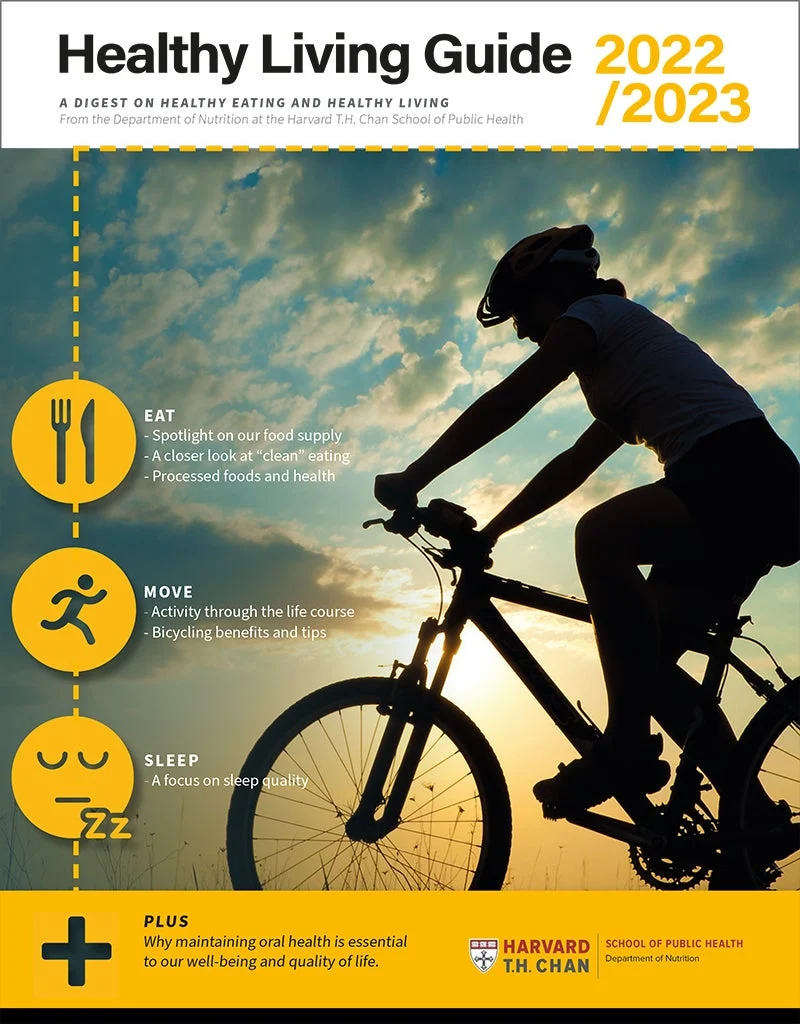
- October – December 2022: Following the conference, experts began the work of critiquing the proposed strategy, identifying gaps in policy, and publishing synthesis documents, such as the Healthy Living Guide 2022-2023, to provide the public with actionable, science-based guidance.
Supporting Data: Why Policy Must Change
The necessity for a systemic overhaul is supported by a wealth of data regarding the efficacy of current food assistance programs and the impact of the Western diet.
- The "Food as Medicine" Evidence Base: Research suggests that when patients are provided with medically tailored meals, their hospital readmission rates drop significantly. Medicare and Medicaid coverage of these services, a central component of the new national strategy, could save billions in healthcare spending.
- Climate and Nutrition Interplay: Agriculture is both a driver of and a victim of climate change. Current agricultural practices are responsible for a significant percentage of global greenhouse gas emissions. Transitioning to plant-forward diets and regenerative agricultural practices is no longer just an environmental concern; it is a food security necessity.
- The Marketing Gap: Data shows that children are exposed to thousands of advertisements for unhealthy, ultra-processed foods annually. Experts argue that self-regulation by food companies has failed to protect public health, suggesting that stricter, policy-driven guardrails are required.
Official Responses and Expert Critiques
The Biden-Harris administration’s national strategy received a mixed reception from the academic and public health communities. While the expansion of nutrition assistance programs—such as school lunch initiatives and the inclusion of medically tailored meals—was widely applauded, the strategy was not without its detractors.
Drs. Frank Hu, Walter Willett, and Lilian Cheung of the Harvard T.H. Chan School of Public Health offered a nuanced perspective. In their analysis, they noted that while the strategy is a "step in the right direction," it lacks the necessary focus on systemic environmental shifts. They emphasized:
"To have a significant impact, the administration must bring together the public and private sectors, along with philanthropists, academia, and individuals to develop truly sustainable food systems that support both public and planetary health."
The experts specifically pointed out that the strategy omitted aggressive measures to regulate the marketing of unhealthy foods to children—a move they argue is essential to curbing childhood obesity. Furthermore, they highlighted the lack of a strong, binding commitment to transforming the food system to align with the Paris Agreement’s climate goals.
Implications for Public and Planetary Health
The implications of these policies extend far beyond the dinner table. If the 2030 goal is to be met, the integration of public and private sector efforts is non-negotiable.
The Individual’s Role in a Macro-Environment
While policymakers work on systemic change, the individual remains the final gatekeeper of their own health. The Healthy Living Guide 2022-2023 acts as a bridge between high-level policy and daily life. It emphasizes that no change is too small. Whether it is opting for whole grains over refined carbohydrates, increasing daily physical activity, or supporting local, sustainable farmers, individual choices aggregate into a broader cultural shift.
Bridging the Gap: The Role of Education
Educational resources, such as the printable guides provided by leading nutrition departments, serve to democratize health information. By making the science of nutrition accessible—removing the jargon and replacing it with practical, evidence-based tips—these resources empower individuals to navigate a food environment that is often designed to work against their best interests.
Toward 2030: A Vision for the Future
Looking forward, the success of the national nutrition strategy will be measured by its ability to foster a "food-secure" nation. This involves:
- Affordability: Ensuring that fresh produce is as accessible as ultra-processed alternatives in every zip code.
- Accessibility: Reducing "food deserts" and "food swamps" through strategic urban planning and incentivizing local grocery access.
- Accountability: Ensuring that both the food industry and government agencies remain transparent about the long-term health outcomes of their policies and products.
Conclusion: A Call to Action
The journey toward 2030 is long, and the challenges are significant. However, the dialogue initiated in 2022 proves that the appetite for change exists. By combining the rigorous analysis of academic experts with the practical, daily actions of the public, a more sustainable and healthy future is within reach.
As we progress through 2023, the focus remains on resilience and continuous improvement. We encourage readers to engage with the available Healthy Living Guide, test their knowledge, and incorporate small, incremental changes that contribute to a lifetime of health. The health of our population is inextricably linked to the health of our planet; by choosing to prioritize both, we ensure a more vibrant, resilient world for generations to come.
Resources for Further Learning
To continue your journey toward healthier living, utilize the following resources:
- Downloadable Healthy Living Guide (2022-2023): Access the PDF here for printable tip sheets.
- White House Strategy Documents: Review the Executive Summary of the National Strategy to understand the federal roadmap.
- Archival Knowledge: Revisit the 2021-2022 Healthy Living Guide to test your understanding of foundational nutritional science and benchmark your progress over the past two years.
Remember: Every dietary choice is a vote for the kind of world we want to live in. Stay informed, stay active, and continue to prioritize the science of health.