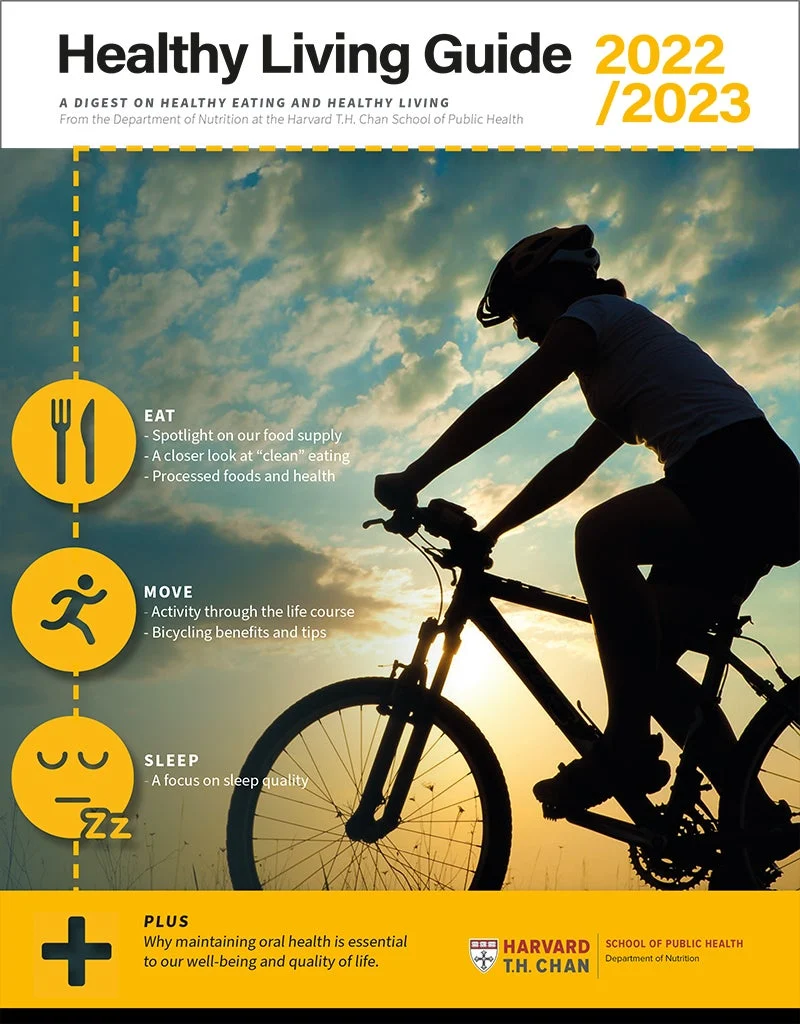
As the global community grapples with the dual challenges of food insecurity and the rising prevalence of diet-related chronic diseases, the discourse surrounding nutrition has moved from the periphery to the center of public policy. The past year served as a pivotal turning point, marked most significantly by the historic White House Conference on Hunger, Nutrition, and Health. As we move further into the decade, the focus is shifting toward a comprehensive, science-backed approach to wellness, encapsulated in new resources like the Harvard T.H. Chan School of Public Health’s latest Healthy Living Guide.
Main Facts: The Turning Point in Public Health Policy
The year 2022 was defined by a renewed federal commitment to addressing the nation’s nutritional health. For the first time since 1969, the White House convened leaders, scientists, and advocates to address the interconnected crises of hunger and nutrition-related illness. The resulting National Strategy on Hunger, Nutrition, and Health represents an ambitious roadmap with a singular, high-stakes goal: to end hunger and drastically reduce the prevalence of diet-related diseases—such as type 2 diabetes, obesity, and hypertension—by 2030.
The strategy is built on five pillars:
- Improving Food Access and Affordability: Expanding the reach of nutrition assistance programs.
- Integrating Nutrition and Health: Utilizing medically tailored meals within Medicare and Medicaid.
- Empowering All Consumers: Providing better nutritional labeling and education.
- Supporting Physical Activity: Making it easier for all people to be physically active.
- Enhancing Nutrition and Food Security Research: Investing in data-driven solutions.
While these initiatives are being celebrated as long-overdue progress, the scientific community—led by luminaries at Harvard’s Department of Nutrition—remains vigilant. They argue that while the roadmap is promising, the true test lies in the execution and the willingness to address systemic issues that go beyond simple food assistance.
Chronology: A Year of Nutritional Advocacy
To understand the current state of public health, one must look at the timeline of events that shaped the 2022-2023 landscape:
- Early 2022: Public health experts began sounding the alarm regarding the long-term impacts of pandemic-related food insecurity, which exacerbated existing health disparities across the United States.
- September 2022: The White House Conference on Hunger, Nutrition, and Health takes place. This event served as the catalyst for the Biden-Harris administration’s new national strategy, bringing stakeholders together to pledge over $8 billion in private and public sector commitments.
- Late 2022: Following the conference, an evaluation phase began. Nutrition experts analyzed the policy framework, noting both its successes in mobilizing resources and its shortcomings in regulatory scope.
- January 2023: Publication of the Healthy Living Guide, designed to distill complex nutritional research into actionable advice for the general public, serving as a bridge between academic findings and daily habits.
Supporting Data: The Cost of Inaction
The data supporting the need for this policy pivot is sobering. According to recent health statistics, nearly half of all American adults suffer from one or more preventable chronic diseases, many of which are linked to poor diet.
Economic data highlights that food insecurity is not merely a social issue but a massive drain on the national economy. The reliance on the healthcare system to treat diseases that could be managed or prevented through better nutrition costs the U.S. billions of dollars annually. When the administration proposed "medically tailored meals"—food prescribed by healthcare providers to treat specific chronic conditions—they were acknowledging a critical data point: nutrition is, in fact, medicine.
Furthermore, the environmental data is equally compelling. Current food systems are significant contributors to greenhouse gas emissions, water depletion, and soil degradation. The argument from the scientific community is that a "healthy diet" cannot exist in a vacuum; it must be supported by a "healthy planet." Without addressing sustainable agriculture, the long-term security of the food supply remains compromised.
Official Responses and Expert Critique
The response from the scientific community has been nuanced. Drs. Frank Hu, Walter Willett, and Lilian Cheung of the Harvard T.H. Chan School of Public Health have provided a balanced assessment of the new federal strategy. While they applaud the focus on nutrition assistance, they have publicly noted several "major omissions" that could hinder the program’s ultimate success.
The Marketing Gap
One of the most vocal critiques involves the lack of regulation surrounding the marketing of unhealthy foods to children. Despite robust evidence that advertising influences eating habits from a young age, the national strategy remains silent on limiting the promotion of sugar-sweetened beverages and ultra-processed foods. Experts argue that without shielding the youth from predatory marketing, the government is essentially fighting a fire while pouring gasoline on it.
The Climate Nexus
A primary concern raised by the Harvard team is the omission of the food system’s role in climate change. They emphasize that the administration must move toward "planetary health diets." These diets are characterized by higher intakes of plant-based foods and lower intakes of animal-sourced foods, which are not only better for individual health but significantly more sustainable for the environment. "To have a significant impact," the experts noted, "the administration must bring together the public and private sectors, along with philanthropists, academia, and individuals to develop truly sustainable food systems."
Implications: The Path Forward for 2023 and Beyond
What does this mean for the average individual? The primary implication is that responsibility for health is being shifted back toward a collaborative model—one where the government provides the infrastructure, but the individual is empowered with the knowledge to make better choices.
The Role of Small Changes
As we navigate 2023, the prevailing message from nutritionists is that "no change is too small." In a landscape where systemic change moves slowly, individual agency remains a powerful tool. The Healthy Living Guide focuses on the idea that dietary patterns are cumulative. Whether it is increasing fiber intake, opting for whole grains over refined carbohydrates, or simply increasing daily step counts, these incremental changes form the bedrock of long-term health.
Accessible Resources
One of the major hurdles to healthy eating has always been the perceived cost. The recent policy push aims to make "optimal choices accessible and affordable to all." This includes expanding the Supplemental Nutrition Assistance Program (SNAP) and incentivizing produce consumption. As these programs roll out, the expectation is that the barrier to entry for healthy eating will decrease, provided that local food deserts are addressed with the same urgency as national policy.
Education and Empowerment
The inclusion of "test your healthy living knowledge" features in public guides is not merely for engagement; it is a pedagogical tool designed to debunk the pervasive myths surrounding "fad diets." By relying on peer-reviewed, evidence-based research, the public is encouraged to view nutrition not as a series of temporary restrictions, but as a sustainable lifestyle.
Conclusion: A Holistic Vision for Health
The events of 2022 have set a high bar for the remainder of the decade. While the White House Conference on Hunger, Nutrition, and Health provided the framework, the coming years will require a concerted effort from all levels of society.
The integration of public and private sectors is crucial. Philanthropic organizations have a role to play in funding innovation, while academia must continue to provide the rigorous evidence required to hold policymakers accountable. However, the ultimate success of these initiatives will be measured by the tangible improvement in public health outcomes.
As we look toward 2030, the call to action is clear: we must build food systems that are resilient, sustainable, and equitable. We must ensure that the healthiest choice is the easiest choice. And, perhaps most importantly, we must continue to educate ourselves. By downloading resources like the Healthy Living Guide and staying informed about national strategy developments, individuals can take an active role in their own health journey, contributing to a broader movement that values both personal vitality and the health of the planet.
The journey toward 2030 is long, but the roadmap is being drawn. With a focus on evidence-based practices, a commitment to systemic reform, and an unwavering focus on the needs of the most vulnerable, the vision of a healthier, better-nourished society is well within reach. The work begins today, in our kitchens, our grocery stores, and our communities.