










Receiving a diagnosis of Ehlers-Danlos syndrome (EDS) is often a transformative, albeit disorienting, milestone. For many, it marks the end of a multi-year "diagnostic odyssey"—a period defined by unexplained chronic pain, fatigue, and a rotating door of medical specialists who struggle to connect the dots. Once considered a medical rarity, EDS and its clinical cousin, Hypermobility Spectrum Disorder (HSD), are increasingly recognized as significantly more prevalent in the general population than previously documented.
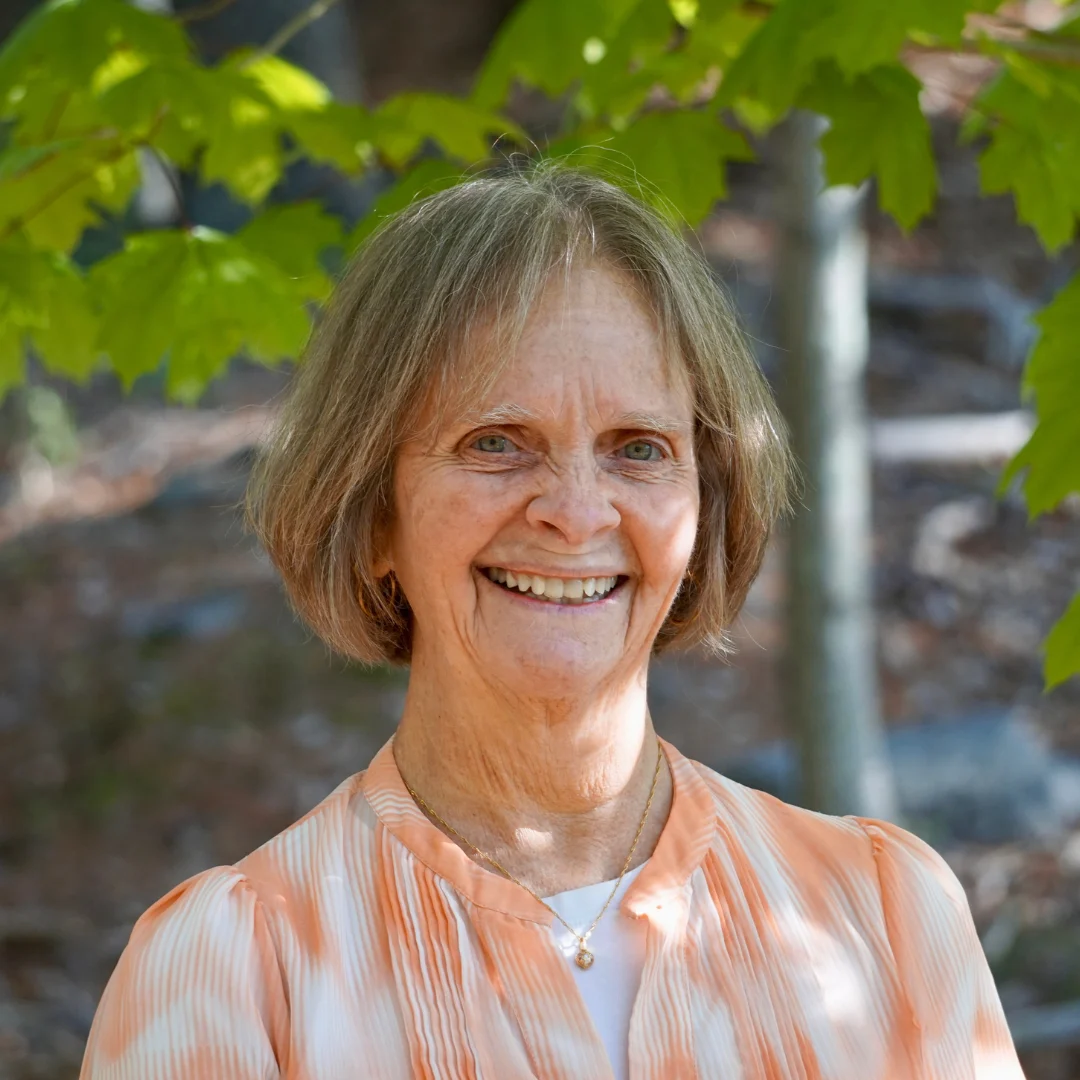
For Ellen Lenox Smith, who received her diagnosis at age 54, the revelation was not merely medical—it was a call to action. "Being diagnosed with a condition I was born with lit a spark in me to do all I could to help others," she notes. As the medical community continues to refine its understanding of these complex connective tissue disorders, the burden of advocacy often falls on patients to bridge the gap between emerging science and daily management.
Disclaimer
The information contained in this article is for educational purposes only and does not constitute professional medical advice, diagnosis, or treatment. Always consult with a qualified healthcare provider regarding any medical condition. The perspectives shared here represent the experiences of individuals navigating these conditions and do not necessarily reflect the official stances of the U.S. Pain Foundation or other medical institutions.
Understanding the Landscape: What is EDS?
Ehlers-Danlos syndrome is a group of 13 inherited disorders that primarily affect the body’s connective tissue—the biological "glue" that provides strength and elasticity to skin, tendons, ligaments, blood vessels, and internal organs. Because connective tissue is ubiquitous, the symptoms of EDS can be systemic, affecting nearly every organ system in the body.
The Classification Hierarchy
- Hypermobile EDS (hEDS): Accounting for approximately 90% of all cases, hEDS is the most common subtype. It is characterized by joint hypermobility, skin hyperextensibility, and tissue fragility. Crucially, there is currently no definitive genetic test for hEDS, making it a clinical diagnosis based on established diagnostic criteria.
- Classical EDS (cEDS) and Vascular EDS (vEDS): These are the next most common forms. vEDS, in particular, is considered the most serious due to the high risk of arterial or organ rupture.
- Hypermobility Spectrum Disorders (HSD): This category serves as a diagnostic umbrella for individuals who exhibit symptomatic joint hypermobility but do not meet the full, rigid criteria for an EDS subtype. Despite the distinction in labeling, the daily burden of care for HSD patients often mirrors that of the EDS community.
A Chronology of the Diagnostic Odyssey
For many, the path to diagnosis is long and fraught with misinterpretation. Patients often report being told their symptoms are psychosomatic, leading to delayed treatment and increased psychological distress.
- Early Presentation: Many patients report symptoms in childhood or adolescence, such as frequent "growing pains," joint dislocations, or easy bruising.
- The "Medical Shuffle": As symptoms progress, patients are frequently misdiagnosed with conditions like fibromyalgia, rheumatoid arthritis, lupus, or even psychiatric disorders like Munchausen syndrome.
- The Turning Point: A breakthrough often occurs when a patient is referred to a geneticist or a specialist familiar with connective tissue disorders who recognizes the systemic nature of the symptoms.
- The Realization: A diagnosis, even late in life, provides a framework for understanding decades of chronic health challenges, allowing patients to shift from "seeking answers" to "managing care."
Supporting Data and Clinical Manifestations
The clinical presentation of EDS is vast. While joint hypermobility and skin fragility are the "hallmark" symptoms, the systemic impact of the disorder is far-reaching.
Common Clinical Presentations
- Musculoskeletal: Chronic, early-onset, and debilitating joint pain; frequent dislocations or subluxations; scoliosis or cervical instability.
- Dermatological: Soft or velvety skin, significant bruising, and poor wound healing.
- Cardiovascular: Mitral valve prolapse and dysautonomia, including Postural Orthostatic Tachycardia Syndrome (POTS).
- Gastrointestinal: Gastroparesis, irritable bowel syndrome, and other motility disorders.
- Neurological: Chiari I malformation, tethered cord syndrome, and frequent migraine or headache disorders.
Research indicates that the difficulty in diagnosis is compounded by the fact that EDS often exists as a "co-morbidity" alongside conditions like Mast Cell Activation Syndrome (MCAS), Raynaud’s disease, and autoimmune disorders. This creates a "perfect storm" of symptoms that can overwhelm primary care providers who are not specifically trained in complex, multi-system disorders.
Bridging the Gap: Management Strategies
Managing EDS requires a multidisciplinary approach. While there is currently no cure, quality of life can be significantly improved through proactive, evidence-based management.
Physical Activity and Rehabilitation
Physical therapy is the cornerstone of EDS management. The goal is to strengthen the muscles surrounding the joints to compensate for lax ligaments. The Muldowney Protocol—a specialized physical therapy program—is widely regarded in the community as a gold-standard approach to stabilizing the body through incremental exercise. Low-impact activities such as swimming and stationary cycling are often recommended over high-impact contact sports.
Cardiovascular Stabilization
For those dealing with the tachycardia and blood pressure fluctuations associated with POTS, hydration and electrolyte management are critical. Many patients find that increasing salt intake (under medical supervision), wearing compression garments, and utilizing a "slow-to-stand" approach help mitigate lightheadedness and fatigue.
Navigating Orthopedic Interventions
Surgery in the EDS population is a high-stakes decision. Because connective tissue is inherently fragile, standard surgical techniques may fail. Surgeons must be informed of the patient’s EDS diagnosis, as they may need to use donor (cadaver) tendons or reinforce sutures to prevent post-operative complications.
Inflammation and Lifestyle
Environmental and dietary triggers can exacerbate inflammation. Many patients report that paying close attention to hydration, minimizing inflammatory foods, and identifying sensitivities—such as those associated with MCAS—can lead to a marked reduction in systemic "flare-ups."
The Psychological Dimension: Caring for the Mind and Spirit
The emotional toll of a chronic, invisible illness cannot be overstated. Patients often experience the "loss of their former selves," mourning the life they had before the onset of debilitating symptoms.
Building Resilience
- Grieve the Change: It is vital to acknowledge the loss of one’s past abilities and lifestyle. Acceptance is the first step toward building a new, modified life.
- Purpose and Proactivity: Finding purpose, whether through advocacy, creative pursuits, or specialized work, helps combat the sense of helplessness that often accompanies chronic pain.
- Community Connection: Isolation is a major risk for those with EDS. Engaging with support groups—both online and in-person—is essential for mental health. Connecting with others who understand the "hidden" nature of the disease provides validation that is often missing from the medical environment.
- Cognitive Sharpness: Keeping the mind active through learning, reading, and problem-solving helps maintain cognitive function, which can sometimes be affected by chronic pain and fatigue.
Implications for the Future of Care
The medical community is slowly but surely catching up to the needs of the EDS and HSD population. The rise of awareness campaigns during "EDS and HSD Awareness Month" is pushing the condition into the mainstream medical conversation.
However, the burden of progress still rests on the shoulders of the patient. The most effective strategy for the newly diagnosed is to become an expert on their own body. This means maintaining detailed health journals, identifying specialists who are willing to learn alongside the patient, and, where possible, sharing these insights with the broader medical community.
As Lenox Smith emphasizes, "We have to wonder, if so many of us are living with the chaos and confusion of this condition, then why do we feel so lost? As they catch up to us, let’s make it our mission to pass information forward."
By documenting what works, advocating for informed surgical practices, and fostering a sense of community, the EDS/HSD population is not just waiting for medicine to catch up—they are actively paving the way toward a more informed and empathetic healthcare future. If you have been recently diagnosed, remember: you are not alone, and while the path ahead is complex, you possess the capacity to improve your quality of life through knowledge, patience, and persistent advocacy.