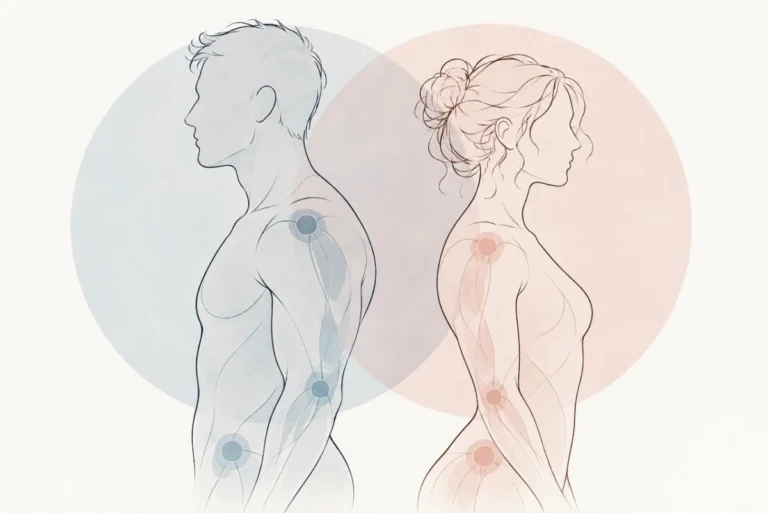
For many adults, the realization that they might be autistic does not arrive as a sudden epiphany, but rather as a quiet, mounting curiosity. It often begins with late-night research, a series of online screening questionnaires, and the lingering sense that certain lifelong challenges have a name they haven’t yet been given. Increasingly, this journey is intersecting with the medical community’s growing awareness of the nexus between neurodivergence and connective tissue disorders.
Current clinical data suggests a profound overlap between populations: approximately 39% of autistic individuals also present with Ehlers-Danlos Syndrome (EDS) or Hypermobility Spectrum Disorder (HSD). For those living with chronic pain and hypermobility, the quest for an autism diagnosis is often a secondary chapter in a long-standing medical saga. Whether you are driven by the search for self-understanding or the need for clinical accommodations, the process of seeking an adult autism evaluation is a significant, often emotionally taxing, undertaking.
The Foundation: Understanding the Screening Process
Before seeking a formal clinical assessment, many individuals utilize self-screening tools. It is essential to approach these instruments with the correct perspective: they are not diagnostic. Rather, they function as a compass to help organize thoughts, identify patterns of behavior that may have been previously overlooked, and provide a framework for future conversations with healthcare providers.
Commonly referenced tools, such as the AQ (Autism-Spectrum Quotient) or the RAADS-R, are frequently used by clinicians to gauge the necessity of a full diagnostic evaluation. While these tests are not definitive, they offer a starting point for those who feel alienated by their own neurotype. By documenting these patterns early, individuals can enter the clinical environment with a clearer sense of their own history, making the evaluation process more efficient and accurate.
Chronology: From Self-Discovery to Clinical Evaluation
The path to a diagnosis follows a distinct trajectory, one that requires both preparation and a degree of self-advocacy.
Phase 1: Vetting the Provider
The most critical step in this process is finding a professional who specializes in adult neurodivergence. General practitioners and standard therapists often lack the training to identify autism in adults, particularly in those who have spent decades "masking"—or compensating for—their traits to fit into neurotypical environments.
When searching, prioritize providers who list adult autism assessments as a primary area of expertise. A simple online search for "adult autism assessment near me" is a starting point, but it must be followed by rigorous vetting. Examine the provider’s background, reach out to local advocacy groups, or ask for recommendations from trusted individuals within the autistic community.
Phase 2: The Preparation Period
Preparation is the antidote to the anxiety that often accompanies a high-stakes medical appointment. Many find it helpful to create a "life-log"—a detailed document outlining lifelong traits, sensory sensitivities, and social patterns. If possible, gather insights from friends or family members who have known you since childhood. Their observations can provide an objective perspective that is often obscured by a lifetime of self-doubt or gaslighting.
Furthermore, bringing relevant clinical literature can be a powerful tool for self-advocacy. Given the established correlation between hypermobility and autism, presenting research on this comorbidity can help ensure your provider is up to date on current medical literature.
Phase 3: The Day of the Evaluation
An evaluation is an intensive, multi-hour experience. Upon arrival, it is vital to manage your sensory environment. If the waiting room feels overwhelming, finding a private space to reset is a valid and necessary coping strategy.

During the session, the provider will typically conduct a comprehensive review of your medical and psychiatric history. This is your opportunity to connect the dots between your physical health (such as chronic pain or hypermobility) and your neurodivergent traits. The clinician will likely walk through the DSM-5 diagnostic criteria, either through direct questioning or conversational dialogue. Remember: there are no "wrong" answers. Honesty is the most effective way to ensure the evaluator gains an accurate understanding of your unique internal experience.
Supporting Data: The Intersection of Autism and EDS
The medical community is increasingly recognizing that autism is not merely a psychological condition but one that often manifests with systemic physiological traits. The 39% prevalence rate of EDS/HSD in autistic populations is a statistic that researchers are still working to fully explain. This correlation highlights the importance of an integrated approach to care.
When an evaluator is unaware of this connection, they may misinterpret chronic pain or fatigue as unrelated or psychosomatic, potentially leading to a fragmented diagnostic picture. By presenting the documented links between these conditions, patients can bridge the gap between their physical and neurological needs, ensuring that their healthcare team treats the whole person rather than isolated symptoms.
Official Responses and Clinical Perspectives
Modern clinical perspectives on adult autism have shifted away from the "deficit-based" model toward a "neurodiversity-affirming" approach. The goal of an evaluation is no longer just to label a person, but to explain their lived experience and provide the tools necessary for an improved quality of life.
Many practitioners now advocate for "pre-evaluation" questionnaires, where the patient completes rigorous screening materials prior to the formal appointment. This allows the provider to tailor the session to the individual’s specific needs. Clinicians who are well-versed in adult presentations often note that a successful diagnosis depends on the patient’s willingness to be vulnerable—to "drop the mask"—which is why creating a safe, low-pressure environment is the evaluator’s primary responsibility.
Implications: The Post-Diagnostic Reality
Once the evaluation is complete, the aftermath can be just as significant as the appointment itself. It is common to experience a range of emotions—relief, grief, validation, or even confusion.
Resting and Processing
It is imperative to treat the day of the evaluation as a "rest day." The cognitive load of explaining one’s entire life history is immense. Many providers recommend clearing the calendar for the remainder of the day, ensuring you have access to sensory comforts—such as water, snacks, or a fidget toy—that keep you regulated.
Managing the Wait
The period between the evaluation and the arrival of the official report can be an anxious time. During this period, it is helpful to remind oneself that a diagnosis is not the beginning of your autism; it is simply the beginning of the understanding of it. Regardless of the outcome, your lived experience remains a reality. A report is an administrative document; it does not change the truth of your past or the potential of your future.
Key Takeaways for the Prospective Patient
- Preparation is Power: Document your traits and experiences well before the appointment. This reduces the risk of "masking" during the evaluation and ensures all pertinent information is covered.
- Vet Your Professional: Do not settle for a provider who does not specifically list adult autism as a regular, active area of practice.
- Advocate for Your Whole Health: If you have comorbidities like Ehlers-Danlos or chronic pain, bring literature that highlights these connections. A good evaluator will appreciate your thoroughness.
- Prioritize Sensory Regulation: You have the right to ask for breaks, to use a fidget tool, or to adjust your environment during the assessment.
- Focus on the Long Game: Whether the report results in a formal diagnosis or an alternative explanation for your challenges, the information gained is a vital step toward self-advocacy and improved personal management.
Ultimately, the journey to an autism diagnosis is a personal one, deeply rooted in the desire to understand the mechanics of one’s own mind and body. By treating the process with the seriousness it deserves—and by granting yourself the grace to navigate it at your own pace—you can transform a daunting medical hurdle into a profound act of self-care.