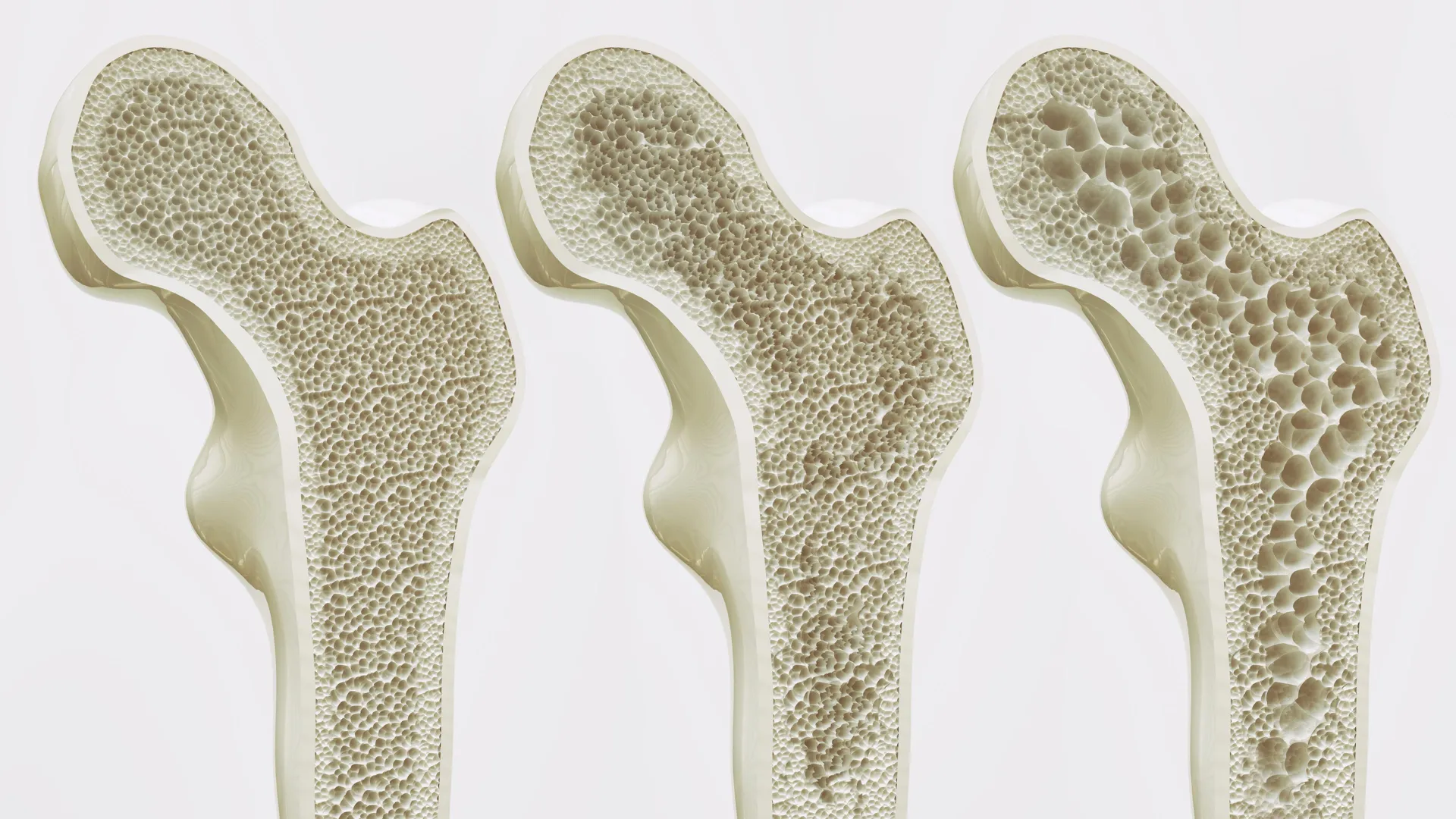
For decades, the standard medical advice for aging adults has been as predictable as it is ubiquitous: take your calcium, top up on vitamin D, and protect your bones. From the aisles of local pharmacies to the clinical guidelines of major health organizations, these supplements have been positioned as the primary line of defense against the silent, debilitating progression of osteoporosis and the high-stakes risk of falls. However, a landmark review published in The BMJ is now challenging this conventional wisdom, suggesting that for the vast majority of older adults, these supplements offer little to no meaningful protection against the fractures and falls that define the geriatric health crisis.
The Magnitude of the Challenge: Why We Care About Falls
As the global population ages, the public health burden of falls has reached a critical threshold. Statistically, nearly one in three adults aged 65 and older experiences at least one fall each year. While the immediate physical trauma—such as broken hips or wrists—is the most visible consequence, the ripple effects are far more profound.
A fall often marks the beginning of a downward spiral for an older individual. It can lead to chronic pain, long-term disability, a loss of physical autonomy, and a significant reduction in overall quality of life. In many cases, the loss of mobility resulting from a fracture necessitates a transition into residential or assisted living facilities, fundamentally altering the individual’s independence. Consequently, identifying evidence-based, effective strategies to mitigate fall and fracture risk has become a primary goal for healthcare systems worldwide.
The Foundations of Supplementation: A Historical Perspective
The widespread adoption of calcium and vitamin D supplementation is rooted in a logical, albeit simplistic, physiological premise. Calcium is the fundamental structural building block of the human skeletal system, while vitamin D acts as the vital facilitator, enabling the gut to absorb calcium and regulating the complex processes of bone metabolism.
Given this biological synergy, the medical community long operated on the assumption that supplementing these nutrients would naturally bolster bone density and, by extension, reduce fracture incidence. However, as the research matured, the scientific consensus began to fray. While early observational studies suggested a correlation between higher nutrient intake and better bone health, subsequent randomized controlled trials—the "gold standard" of medical evidence—have frequently returned inconsistent or null results. Despite this growing uncertainty, clinical guidelines and regulatory bodies continued to advocate for widespread supplementation, leading to a massive increase in prescription and over-the-counter usage.
The BMJ Review: A Comprehensive Meta-Analysis
To address the mounting ambiguity, a team of researchers in Canada conducted a massive, rigorous systematic review and meta-analysis of 69 randomized controlled trials. Spanning a cohort of 153,902 participants, this study sought to strip away the noise and focus on high-quality data to determine the true efficacy of these supplements.
The Methodology
Randomized controlled trials (RCTs) are essential because they minimize bias by randomly assigning participants to treatment or control groups. By doing so, researchers can isolate the effects of the supplement from other variables, such as diet, lifestyle, or socioeconomic status. The researchers assessed trials comparing:
- Calcium supplements versus placebo/no treatment.
- Vitamin D supplements versus placebo/no treatment.
- Combined calcium and vitamin D versus placebo/no treatment.
The team employed rigorous assessment tools to determine the "certainty of evidence," ensuring that the conclusions drawn were based on the most reliable data available rather than flawed or biased studies.
Key Findings: The Evidence Against Routine Use
The findings of the BMJ review are stark. After defining clear thresholds for what constitutes a "clinically meaningful benefit," the researchers concluded that these supplements simply do not deliver the protection they are marketed to provide.
Calcium Supplements
Based on moderate-certainty evidence from 11 trials involving 9,067 participants, the researchers found that calcium supplementation provided no clinically meaningful reduction in the risk of any fracture.
Vitamin D Supplements
The data regarding vitamin D was particularly robust. Drawing on high-certainty evidence from 36 trials involving 92,045 participants, the researchers found no significant effect on fracture prevention.
Combined Supplementation
Even when calcium and vitamin D were combined—the "gold standard" prescription for many doctors—the results remained underwhelming. High-certainty evidence from 15 trials involving 51,126 participants showed that the combination had little to no effect on reducing fracture or fall risk.
When looking specifically at hip fractures—the most devastating of all geriatric injuries—the supplements failed to move the needle. The consistency of these results across age groups, sexes, and pre-existing conditions suggests that the lack of efficacy is not a fluke of a specific sub-population, but a broader failure of the intervention itself.
Nuance and Exceptions: Who Should Still Consider Supplements?
While the BMJ review calls for a systemic re-evaluation of guidelines, it is not a blanket condemnation of all supplementation in all contexts. The researchers were careful to acknowledge that their findings might not apply to specific clinical populations.
Individuals suffering from severe bone disorders, those diagnosed with clinical osteoporosis, or patients currently undergoing specialized pharmacological treatment for bone density may have vastly different requirements. For these individuals, calcium and vitamin D may serve a supportive role in a broader, doctor-supervised treatment plan. The study emphasizes that these findings should not be interpreted as a reason for such patients to discontinue their prescribed medications without first consulting their healthcare provider.
Implications for Clinical Practice and Policy
The conclusion reached by the authors is bold: "The evidence does not support routine supplementation with calcium or vitamin D, or combined supplementation to prevent fractures and falls."
This finding presents a significant challenge to the medical establishment. It suggests that decades of clinical practice, government-issued health guidelines, and pharmaceutical marketing have been built upon an assumption that is not supported by current, high-quality data. The researchers are now calling for a formal re-evaluation of these guidelines.
Writing in a linked editorial, independent experts reinforced this sentiment, noting that while the current evidence is comprehensive, there is still a need for more "well-powered" trials to determine if there are specific, high-risk subsets of the population that might still derive a benefit that the current aggregate data masks.
A Shift in Strategy: Moving Beyond the Pill
If pills aren’t the panacea, where should the focus shift? The editorial authors argue that the healthcare industry must pivot away from the "supplementation-first" approach and redirect funding and clinical focus toward interventions that have demonstrated, measurable benefits in preventing falls and associated injuries.
The Power of Movement
Physical activity, specifically targeted training, has emerged as the most potent weapon in the fight against frailty. Key recommendations include:
- Balance Training: Improving proprioception and stability is critical to preventing the initial trip or slip that leads to a fall.
- Resistance Exercise: Building muscle mass and skeletal loading through resistance training helps to maintain functional strength, which is vital for mobility.
- Multifaceted Programs: The most successful outcomes are often seen in programs that combine physical exercise with an environmental assessment of the home (to remove tripping hazards) and education on individual risk factors.
Conclusion: A New Era for Bone Health
The BMJ review serves as a necessary wake-up call for both the medical community and the aging population. It reinforces a fundamental truth in medicine: simple solutions to complex problems are rarely effective.
While taking a daily supplement is an easy, low-effort habit, it is not a substitute for the hard work of maintaining physical health through exercise and lifestyle management. As we move forward, the goal should be to move beyond the convenience of a bottle of pills and toward a more comprehensive, evidence-based approach to healthy aging—one that prioritizes movement, strength, and active injury prevention over the passive consumption of supplements. By re-evaluating our reliance on these products, we can better allocate resources and effort toward strategies that truly keep our older adults mobile, independent, and safe.