







The journey toward a diagnosis of Ehlers-Danlos syndrome (EDS) is often described by patients as a marathon of medical gaslighting, exhaustive specialist appointments, and systemic confusion. For many, the moment of diagnosis serves as both a relief—a validation of their lived reality—and a daunting new beginning. Once the clinical box is checked, the patient is left with a singular, overwhelming question: "What now?"
Managing a multi-systemic, genetic connective tissue disorder is rarely a linear path. It is a process of trial and error, requiring patients to become amateur experts on their own biology. To illuminate this path, a recent community survey of over 100 individuals living with EDS was conducted to determine what strategies, tools, and lifestyle shifts have provided the most tangible relief. The findings offer a roadmap for the newly diagnosed, prioritizing community wisdom alongside clinical intervention.
The Chronology of Management: From Crisis to Maintenance
The trajectory of an EDS diagnosis typically unfolds in three distinct phases.
1. The Validation Phase (Pre-Diagnosis)
Before clinical confirmation, patients often spend years navigating idiopathic pain and recurring joint subluxations. During this period, the primary goal is simply obtaining an accurate diagnosis. Many respondents noted that the emotional toll of this phase is significant, often leading to a sense of isolation or internalized doubt.
2. The Information Gathering Phase (Post-Diagnosis)
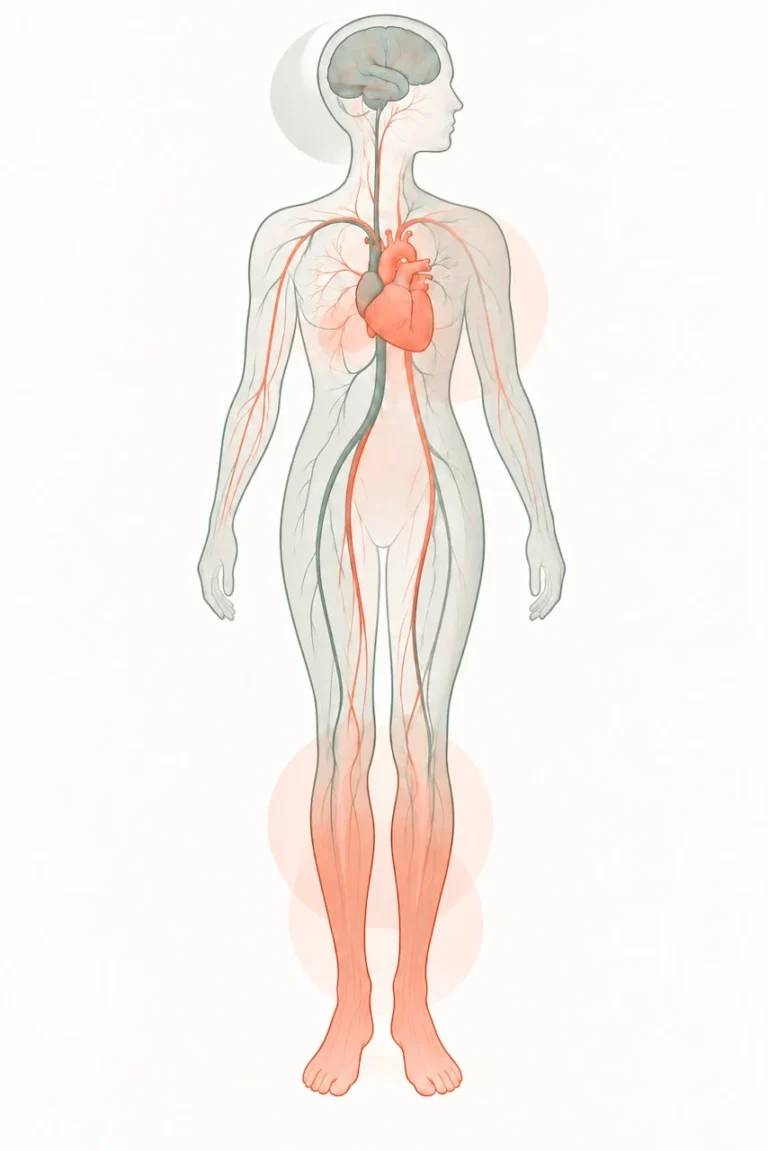
Immediately following a diagnosis, the burden shifts to education. Patients must begin mapping their comorbidities—such as Postural Orthostatic Tachycardia Syndrome (POTS) or Mast Cell Activation Syndrome (MCAS)—which frequently accompany EDS. This is the period where the "trial and error" of symptom management begins, ranging from bracing and physical therapy to pharmaceutical interventions.
3. The Integration Phase (Lifestyle Optimization)
The final phase involves integrating these management strategies into daily life. This is where the most successful patients transition from reactive treatment to proactive lifestyle design, utilizing mobility aids and pacing techniques to maintain quality of life.
Supporting Data: What Actually Works?
The survey results revealed a clear hierarchy of efficacy. While medical interventions are essential, they are often bolstered by community support and personal adaptations. The following data summarizes the most frequent interventions identified by the community.
| Category | High-Impact Strategies |
|---|---|
| Foundation | Community support, EDS-specialized physicians, peer validation. |
| Physical/Mechanical | Specialized Physical Therapy (PT), custom bracing, mobility aids. |
| Symptom Management | Compression garments, Low-dose naltrexone (LDN), heat therapy. |
| Behavioral | Pacing, proprioceptive awareness, adaptive movement. |
Official Perspectives: The Role of Specialized Care
The data highlights a critical consensus: the quality of the patient-physician relationship often outweighs the specific treatment protocol itself.
The "Unicorn" Provider
Respondents frequently described finding a knowledgeable doctor as finding a "unicorn." It is not always necessary for a primary care physician to be an expert in the rare nuances of EDS, but it is vital that they demonstrate an openness to learning. Physicians who are willing to collaborate with the patient, validate their subjective symptoms, and coordinate care across disparate specialties (cardiology, neurology, rheumatology) are cited as the most significant factor in long-term health outcomes.
The Transformation of Physical Therapy
Physical therapy (PT) for EDS is not a one-size-fits-all endeavor. Generic, high-impact strength training can often cause more harm than good for a hypermobile patient. The community emphasizes the need for "hypermobility-aware" practitioners. Effective protocols typically focus on:
- Isometric stability: Building muscle tone without putting undue stress on the ligaments.
- Proprioceptive training: Retraining the body to recognize joint position.
- Neuro-based approaches: Addressing the nervous system’s role in chronic pain.
Deep Dive: Key Categories of Management
Community and Peer Support
Perhaps the most striking takeaway from the study is the role of the "Zebra" community. Because EDS is often misunderstood in primary care settings, patients rely heavily on anecdotal knowledge shared in online forums and local support groups. This community provides more than just emotional validation; it serves as a decentralized knowledge base where patients share which surgeons are familiar with connective tissue fragility and which local physical therapists understand the necessity of non-aggressive treatment plans.
Bracing and Mobility: Reclaiming Autonomy
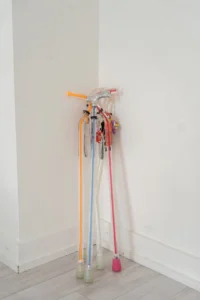
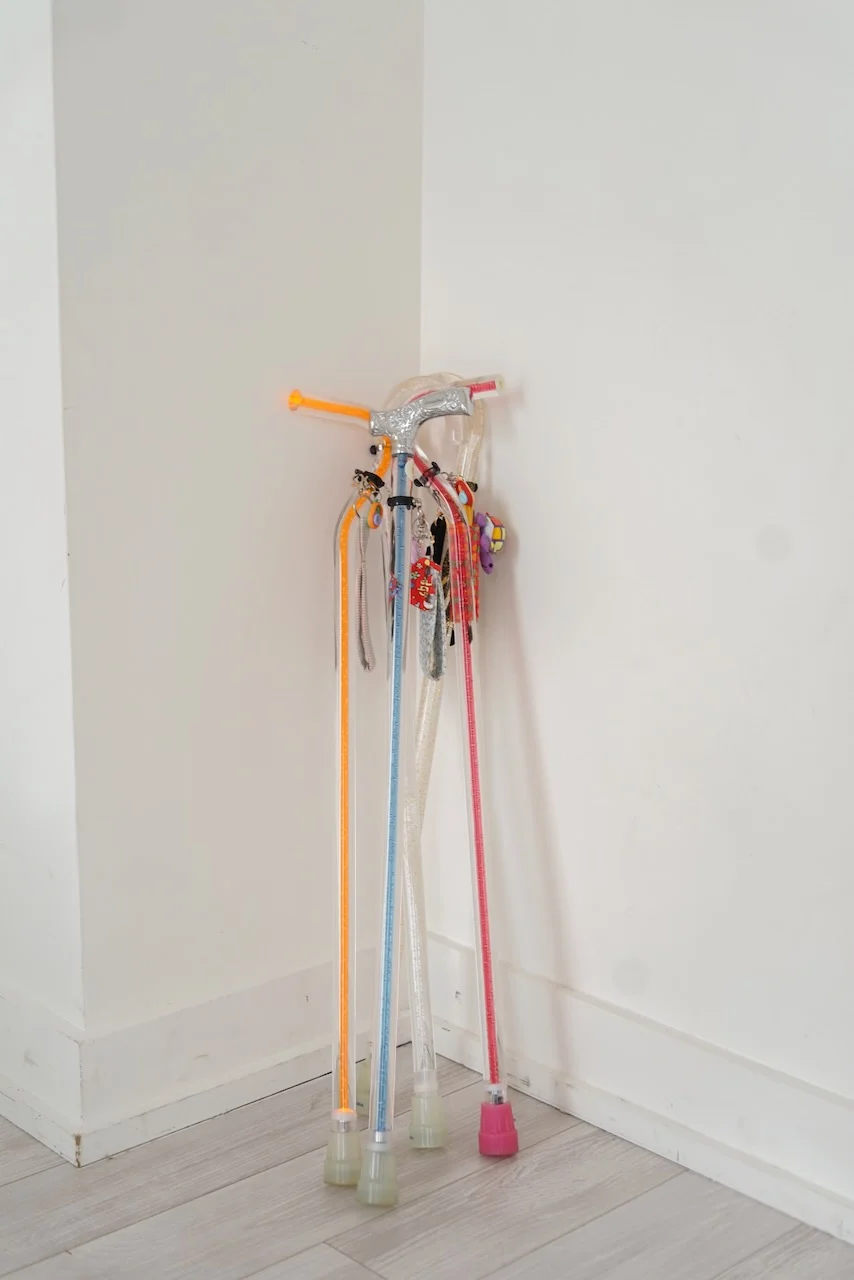
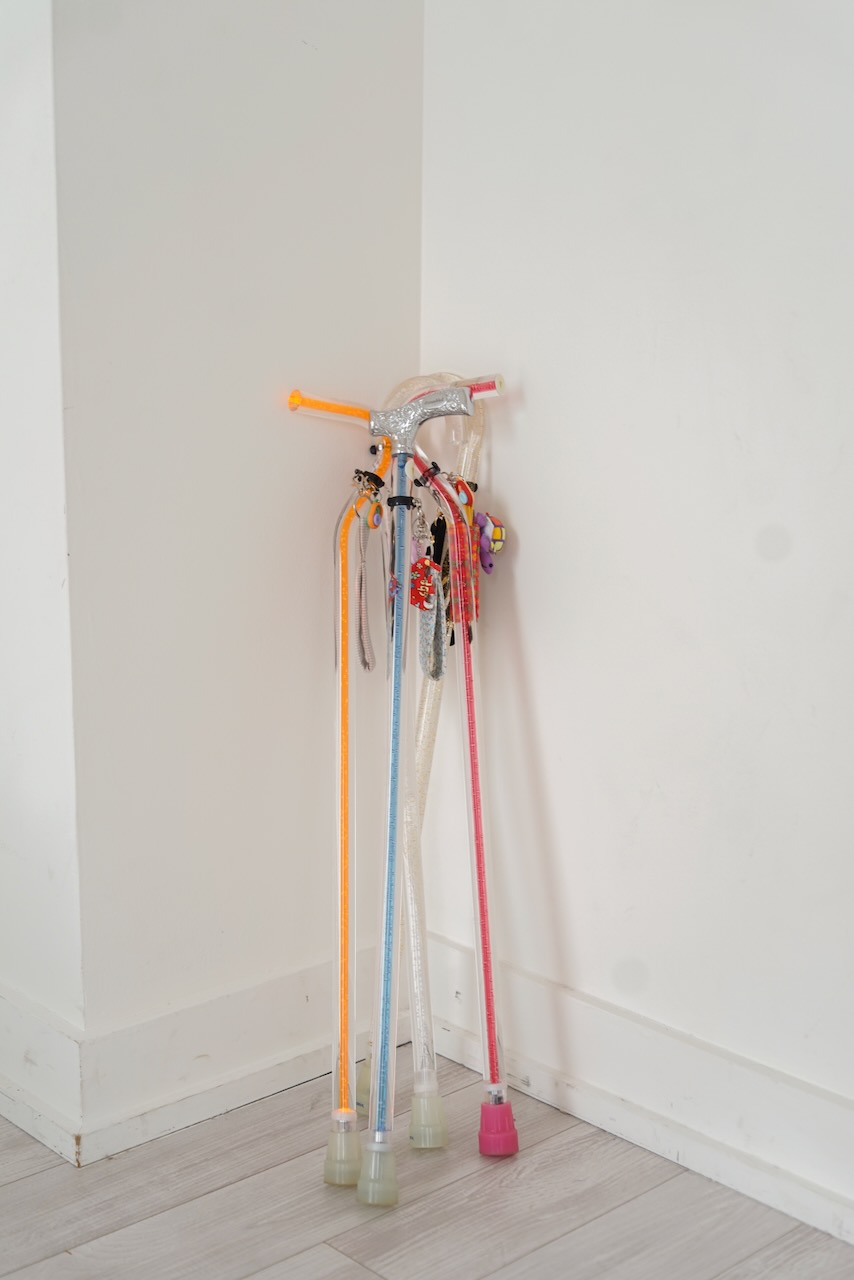
For many, the use of mobility aids—from custom-fit knee braces to power-assist wheelchairs—is a turning point. There is a persistent stigma surrounding the use of these tools, with many patients fearing they are "giving up." However, the survey data suggests the opposite: these tools are catalysts for independence. By offloading the burden of joint stabilization from the body to an external device, patients report an increase in energy levels and a decrease in post-exertional fatigue.
The Medication Landscape
While pharmacological intervention is a pillar of care, it ranked lower in frequency than lifestyle and support-based interventions. Low-dose naltrexone (LDN) emerged as a standout, frequently cited for its potential to modulate pain and reduce systemic inflammation. Other medications, including those targeting MCAS or allergy-mediated flares, were noted for their indirect ability to reduce the intensity of EDS-related joint pain.
Education as Empowerment
Validation is a form of medicine. The survey indicates that the act of "knowing"—understanding why the body functions the way it does—is essential for mental health. Patients who invest time in learning their own patterns, identifying triggers for subluxation, and recognizing the signs of overexertion are better equipped to advocate for themselves in clinical settings.
Implications for the Future of EDS Care
The experiences of these 100+ patients suggest a shifting paradigm in how chronic, invisible illnesses are managed. The medical establishment is increasingly being called upon to adopt a patient-centered model that recognizes the patient as an equal partner in the diagnostic and treatment process.
The Shift Toward Pacing
"Pacing" emerged as an essential skill. By learning to work within the body’s current capacity rather than pushing through pain to meet external expectations, patients can avoid the "boom-and-bust" cycle that often leads to severe flares. This requires a fundamental shift in mindset—from viewing one’s body as an obstacle to be overcome, to viewing it as a system to be managed with compassion and precision.
The Need for Multidisciplinary Integration
The most successful patient outcomes were consistently associated with a "team approach." This includes the integration of:
- Specialized PT: To manage structural integrity.
- Psychological support: To address the trauma of living with chronic illness.
- Collaborative Specialists: To monitor systemic comorbidities like POTS and dysautonomia.
Conclusion: A Living Resource
The path forward for those living with Ehlers-Danlos syndrome is rarely solitary. While the burden of management is high, the community of "Zebras" provides a wealth of shared intelligence that can help the newly diagnosed navigate the complexities of their condition.
The primary takeaway is one of agency. Whether through the application of a piece of kinesiology tape, the purchase of a supportive brace, or the simple act of joining a support group to share one’s story, small, intentional actions form the foundation of a life well-lived with EDS.
As the medical field continues to refine its understanding of connective tissue disorders, the patient voice remains the most reliable guide. It is a reminder that while there is no "cure" in the traditional sense, there is an abundance of tools, techniques, and community connections that can turn a daunting diagnosis into a manageable life.
Disclaimer: This article reflects the personal experiences of people living with Ehlers-Danlos syndrome (EDS). What helps one person may not work for another. The treatments, therapies, and strategies shared are not intended as medical recommendations. Always consult a qualified healthcare professional before making changes to your treatment or management plan.