Introduction: The Evolving Paradigm of Health
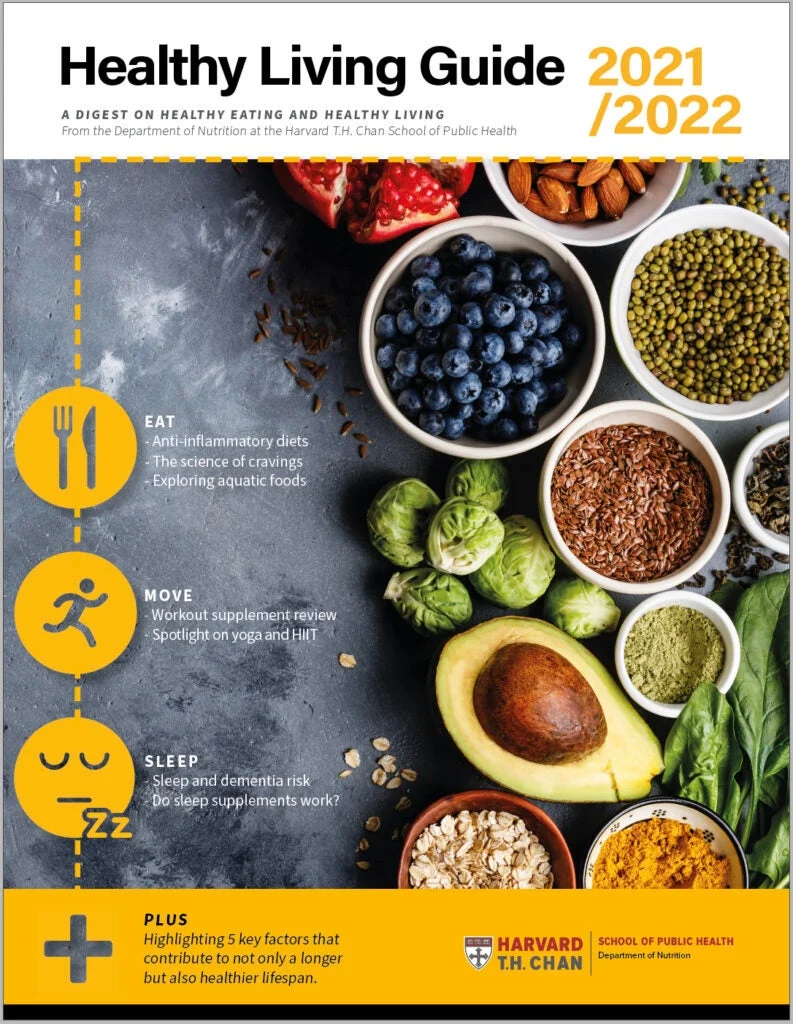
As the global community moves further away from the initial shock of the 2020 lockdowns, the quest for physical and mental equilibrium has taken on a new, more nuanced form. The transition into a "new normal" is not merely a return to pre-pandemic habits; it is a synthesis of past routines and the lessons learned during periods of isolation. Harvard T.H. Chan School of Public Health’s latest Healthy Living Guide serves as a crucial compass in this transition, offering an evidence-based roadmap for navigating the complexities of nutrition, physical activity, and sleep hygiene in a post-2020 world.
Main Facts: The Shift in Consumer Behavior
The landscape of American eating habits underwent a seismic shift between 2020 and 2021. According to data from the International Food Information Council (IFIC), the frantic, reactive behaviors of the early pandemic began to stabilize as the world reopened.
Key data points highlight this transition:
- The Snacking Decline: In 2020, 32% of Americans reported an increase in snacking. By 2021, that figure plummeted to 18%.
- Caloric Consumption: Reports of "eating more in general" dropped from 20% in 2020 to 11% in 2021.
- Home Cooking Trends: The "home chef" movement saw a contraction, with 47% of consumers reporting they were cooking at home in 2021, compared to 60% during the height of the 2020 lockdowns.
While these statistics suggest a return to more structured living, they also mask the persistent, underlying disparities in food security that were exacerbated by the economic volatility of the past two years. The Healthy Living Guide seeks to address these gaps by providing accessible, printable resources that empower individuals to make healthier choices regardless of their socio-economic environment.
Chronology: A Two-Year Journey Toward Adaptation
To understand the current state of public health, one must view it through the lens of a two-year timeline:
- Early 2020 (The Disruption): The onset of the COVID-19 pandemic led to mass disruption of supply chains and daily routines. Panic buying, a surge in home baking, and increased sedentary behavior defined the "lockdown lifestyle."
- Late 2020 – Early 2021 (The Search for Stability): As vaccination efforts began, individuals sought to regain control. The focus shifted from survival-based eating to a more conscious effort to mitigate the health impacts of prolonged isolation.
- Mid-to-Late 2021 (The Transition): A hybrid lifestyle emerged. While many returned to workplaces and social gatherings, the habits of the "homebody" era—such as increased reliance on digital wellness tools—remained.
- 2022 and Beyond (The Sustainable Future): The current focus is on building long-term, sustainable habits that integrate sleep, movement, and nutrition into a permanent lifestyle rather than a temporary "fix."
Supporting Data: Why Lifestyle Matters More Than Ever
The Healthy Living Guide emphasizes that nutrition is not an isolated discipline; it is inextricably linked to sleep and physical activity. Research highlighted in the guide suggests that even moderate adjustments can yield significant long-term health benefits.
The data confirms that:
- Metabolic Health: Consistent, nutrient-dense eating patterns are the strongest defense against chronic conditions like Type 2 diabetes and hypertension, which were identified as significant risk factors for severe COVID-19 outcomes.
- Mental Resilience: Sleep hygiene, often neglected during the pandemic, is directly correlated with emotional regulation and stress management.
- Physical Activity: With the reduction in gym access during the pandemic, many individuals discovered the benefits of "incidental movement"—walking, home bodyweight exercises, and outdoor recreation—which are now recognized as essential components of a healthy life.
Official Responses and Public Health Guidance
Public health authorities, including the team at Harvard’s Nutrition Source, maintain that the pandemic’s most sobering lesson is the importance of global health equity. The emergence of new variants serves as a stark reminder that until the global population is vaccinated, the risk remains.
"We are currently in a period of adaptation," note the editors of the Healthy Living Guide. "The goal is to provide the public with the tools to manage their personal health while acknowledging the broader, systemic issues like food insecurity that continue to plague our communities."
The official response to the pandemic’s secondary health crisis—a rise in sedentary behavior and mental health struggles—has been a renewed push for "preventative literacy." By providing printable, evidence-based tip sheets, the guide removes the barrier to entry for individuals who may feel overwhelmed by conflicting online health advice.
Implications: The Path Forward
The implications of the 2021 data are clear: we are living in a period of behavioral volatility. The decrease in home cooking suggests a return to convenience, which carries both risks (ultra-processed foods) and opportunities (increased accessibility to diverse food sources).
Addressing Food Insecurity
The survey findings regarding food security are particularly alarming. As we move forward, public policy must prioritize the integration of nutritional education with equitable access to fresh produce. The Healthy Living Guide is designed to be a bridge, offering advice on how to eat well on a budget, emphasizing plant-based proteins and whole grains that are both affordable and nutritionally dense.
The Role of Technology
The shift toward digital health resources, like the downloadable PDF guide, represents a permanent change in how health information is consumed. With the rise of telehealth and health-tracking wearables, the average person is more informed than ever. However, the guide warns that data without context can lead to "health anxiety." The key is to focus on core, timeless principles: balanced plates, regular movement, and restorative rest.
Integrating Healthy Behaviors: A Practical Guide
For those seeking to implement the findings of the 2021-2022 research, the guide outlines three core pillars:
- Eating Well: Prioritize whole, unprocessed foods. Move away from the "snacking culture" that emerged in 2020 and return to structured, nutrient-dense meals.
- Being Active: Do not rely solely on structured workouts. Incorporate movement into daily life through walking, standing desks, and active hobbies.
- Prioritizing Sleep: Recognize sleep as a foundational pillar of health. The guide provides strategies for optimizing sleep environments, which is vital for recovery and immune function.
Conclusion: A Call to Action
As we navigate the ongoing uncertainties of the pandemic, the Healthy Living Guide serves as more than just a document; it is a call to action. By revisiting the core themes of health—eating well, staying active, and sleeping soundly—we can reclaim control over our physical and mental well-being.
The editors invite readers to not only download the guide but to engage with the material, test their knowledge with the provided quizzes, and share these resources with their families. In an era of constant change, the commitment to personal health remains the most powerful tool we have to ensure a fulfilling and resilient future.
Resource Links:
- Download the Printable Healthy Living Guide (PDF)
- Review the 2020-2021 Edition
- Explore the 2021 Food & Health Survey
Note: The content of this article is based on the ongoing research and public health initiatives provided by the Harvard T.H. Chan School of Public Health. Readers are encouraged to consult with healthcare professionals before making significant changes to their diet or exercise routines.