





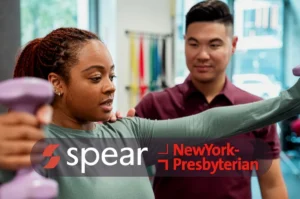


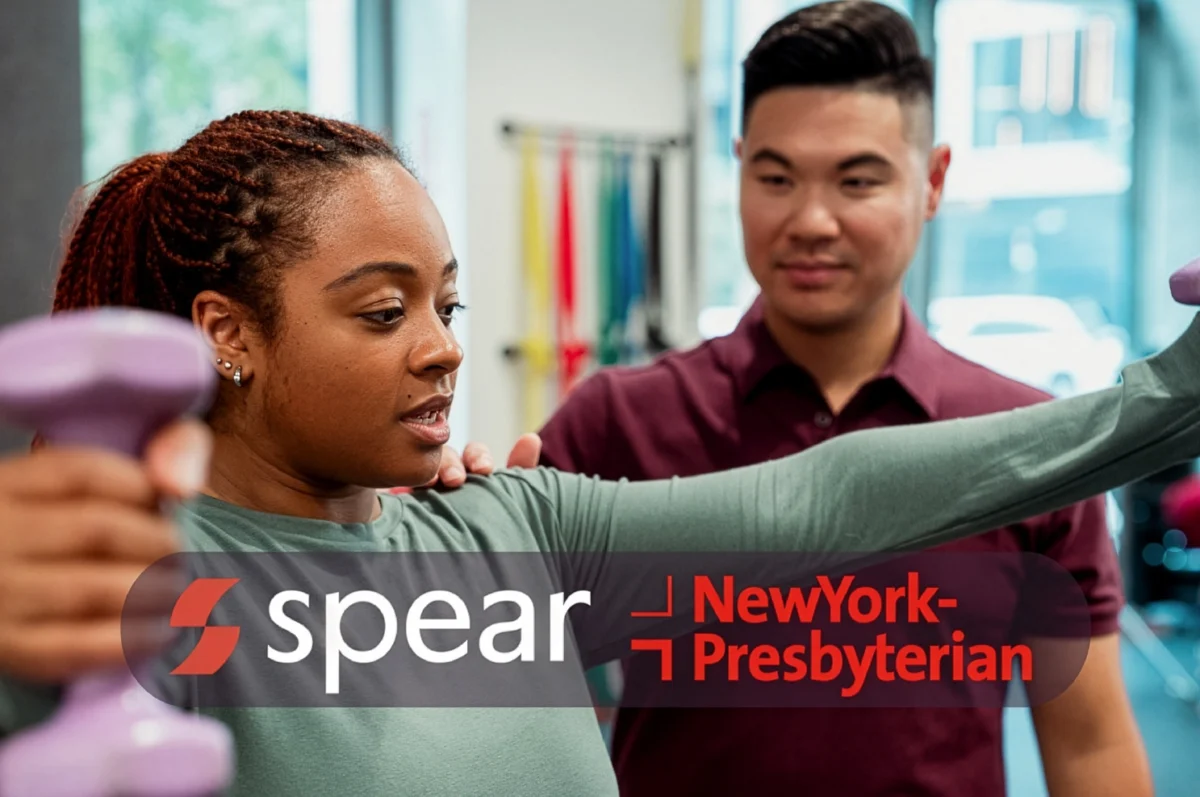
NEW YORK, NY – [Date] – In a significant move poised to redefine access to essential rehabilitation services, NewYork-Presbyterian, one of the nation’s most comprehensive academic medical centers, and Spear Physical and Occupational Therapy, an award-winning leader in outpatient rehabilitation, have announced a strategic collaboration. This landmark partnership will see the opening of nine new state-of-the-art outpatient physical and occupational rehabilitation locations across New York City and Westchester County by 2026, dramatically expanding patient access to expert care closer to their homes and workplaces.
The alliance is designed to create a more integrated and seamless continuum of care, bridging the gap between acute medical treatment and ongoing recovery. By combining Spear’s renowned expertise in outpatient rehabilitation with NewYork-Presbyterian’s leading clinical specialists and extensive healthcare network, the initiative promises to deliver a highly coordinated approach to musculoskeletal care, ultimately improving patient outcomes and enhancing the overall healthcare experience for New Yorkers.
A New Chapter in Rehabilitation Care: The Genesis of a Strategic Alliance
The collaboration between NewYork-Presbyterian and Spear marks a pivotal moment in addressing the evolving healthcare needs of the New York metropolitan area. This partnership is not merely about expanding physical locations; it represents a shared vision to elevate the standard of rehabilitation care through enhanced accessibility, integrated clinical pathways, and a patient-centric philosophy.
Addressing a Critical Need: The Growing Demand for Rehabilitation Services
The demand for high-quality physical and occupational therapy services has been steadily increasing, driven by several demographic and societal factors. An aging population, prone to age-related conditions such as osteoarthritis, balance disorders, and post-stroke rehabilitation needs, represents a significant cohort requiring ongoing therapy. Simultaneously, a more active younger demographic experiences sports-related injuries, while modern lifestyles contribute to chronic musculoskeletal issues like back pain and repetitive strain injuries. Post-surgical recovery, particularly in orthopedics, also necessitates intensive rehabilitation to restore function and prevent complications.
In a dense urban environment like New York City, where convenience and accessibility are paramount, geographical barriers and fragmented care can often impede recovery. Patients frequently face challenges in finding high-quality rehabilitation services that are conveniently located and seamlessly integrated with their broader medical care journey. This collaboration directly confronts these challenges by strategically positioning new facilities in key neighborhoods, ensuring that top-tier therapy is within reach for a broader spectrum of the population.
The Partners: Spear and NewYork-Presbyterian
The strength of this partnership lies in the complementary expertise of the two organizations.
Spear Physical and Occupational Therapy has carved out a reputation as an innovative and highly effective provider of outpatient rehabilitation services. Known for its patient-first approach, Spear emphasizes individualized treatment plans, evidence-based practices, and a commitment to clinical excellence. With a history of receiving numerous accolades for its patient care and workplace culture, Spear has established a significant presence in New York, becoming a trusted name for those seeking to recover from injuries, manage chronic pain, or improve their physical performance. Their growth trajectory has been fueled by a deep understanding of patient needs and a dedication to fostering a supportive and results-oriented therapeutic environment.
NewYork-Presbyterian stands as one of the nation’s most distinguished academic medical centers, renowned for its comprehensive scope of services, cutting-edge research, and unwavering commitment to patient care. Affiliated with two of the country’s leading medical schools – Columbia University Vagelos College of Physicians and Surgeons and Weill Cornell Medicine – NewYork-Presbyterian operates a vast network of hospitals, specialty centers, and primary care practices across the region. Its leadership in acute care, complex surgical interventions, and specialized medical treatments makes it a cornerstone of healthcare in the tri-state area. The institution’s commitment extends beyond immediate treatment to encompass a holistic view of patient well-being, making the integration of robust rehabilitation services a natural progression of its mission.
Synergistic Strengths for Comprehensive Care
The collaboration leverages the unique strengths of both entities to create a truly synergistic model. NewYork-Presbyterian’s extensive network provides a robust referral base and a foundation of complex medical expertise, ensuring that patients transitioning from acute hospital care or specialty consultations have a direct and seamless pathway to high-quality outpatient rehabilitation. Spear, in turn, brings its specialized knowledge in designing and delivering effective, personalized outpatient programs that empower patients to achieve optimal recovery and functional independence.
This integration aims to streamline the patient experience, eliminating the common frustrations of navigating disparate healthcare providers. By aligning clinical pathways and fostering closer communication between primary care physicians, specialists, and rehabilitation therapists, the partnership seeks to create a truly connected healthcare ecosystem. This holistic approach ensures that patients receive the right care at the right time, minimizing delays and maximizing the effectiveness of their recovery journey.
Chronology of Collaboration and Future Rollout
While the specific inception date of discussions leading to this partnership remains proprietary, the announcement of nine new facilities opening in 2026 signifies a culmination of thoughtful strategic planning and mutual commitment. This alliance is not an overnight development but rather the result of a deliberate process to identify shared values, operational synergies, and a unified vision for advancing patient care.
The Path to Partnership: A Shared Vision for Integrated Care
The journey towards this collaboration likely involved extensive analysis of healthcare gaps, patient needs, and the optimal deployment of resources. Both organizations recognized the growing imperative for more accessible, coordinated, and high-quality rehabilitation services. NewYork-Presbyterian, with its broad patient base and focus on comprehensive care, saw the value in partnering with a specialist like Spear to enhance its outpatient offerings. Spear, in turn, recognized the unparalleled opportunity to extend its reach and impact by aligning with a leading academic medical center. This strategic alignment underscores a commitment to innovation and continuous improvement in patient care.
The 2026 Vision: Nine New Facilities Across Key Regions
The planned opening of nine new facilities in 2026 is a testament to the scale and ambition of this partnership. These locations are strategically chosen to maximize accessibility and address specific community needs across New York City and Westchester County. While specific addresses are forthcoming, the geographical distribution reflects a careful assessment of population density, existing healthcare infrastructure, and areas with high demand for rehabilitation services.
- Manhattan: As a global hub with dense residential and commercial areas, Manhattan presents diverse rehabilitation needs, from corporate professionals seeking ergonomic solutions to residents recovering from orthopedic surgeries or managing chronic conditions. New facilities here will cater to the borough’s fast-paced environment, offering convenient access for busy individuals.
- Brooklyn: New York City’s most populous borough is experiencing rapid growth and demographic shifts. Expanding access in Brooklyn will be crucial for serving its diverse communities, bridging potential gaps in healthcare access, and ensuring that high-quality rehabilitation is available closer to home for hundreds of thousands of residents.
- Queens: The most ethnically diverse county in the United States, Queens has a vast and varied population with unique healthcare requirements. Strategic placement of new facilities here will be vital for reaching underserved communities and providing culturally sensitive care, ensuring that all residents have equitable access to essential therapy services.
- Westchester County: Extending the reach into Westchester allows the partnership to serve suburban populations and provides a seamless transition for patients who may have received acute care at NewYork-Presbyterian facilities in the region. This expansion ensures a continuum of care beyond the immediate city limits, reinforcing NewYork-Presbyterian’s regional network.
The careful selection of these regions underscores a commitment to broad community impact, aiming to reduce travel burdens for patients and caregivers, thereby increasing adherence to therapy protocols and ultimately improving recovery outcomes.
Phased Implementation and Operational Integration
The rollout of nine new facilities is a complex undertaking, requiring meticulous planning and coordination. This will involve:
- Site Selection and Build-Out: Identifying optimal locations, designing patient-friendly and state-of-the-art clinics.
- Staffing: Recruiting and training highly qualified physical and occupational therapists, administrative staff, and support personnel who embody the values of both organizations.
- Technology Integration: Implementing unified electronic health records (EHRs) and scheduling systems to ensure seamless information flow between NewYork-Presbyterian’s network and the new Spear locations. This is crucial for coordinated care and comprehensive patient management.
- Clinical Protocol Alignment: Developing and standardizing clinical pathways and best practices to ensure a consistent, high-quality therapeutic experience across all new locations, aligned with the rigorous standards of both partners.
This phased approach will ensure a smooth transition and operational excellence, solidifying the foundation for a sustainable and impactful collaboration.
Supporting Data and the Landscape of Rehabilitation
The strategic expansion of outpatient rehabilitation services by NewYork-Presbyterian and Spear is underpinned by compelling data reflecting the escalating demand and critical importance of these therapies in modern healthcare.
The Growing Demand for Rehabilitation Services
- Demographics: The U.S. Census Bureau projects that by 2034, older adults will outnumber children for the first time in U.S. history. This demographic shift significantly increases the prevalence of age-related conditions requiring physical and occupational therapy, such as osteoarthritis, osteoporosis, falls, and neurological disorders like Parkinson’s disease and post-stroke recovery.
- Lifestyle Factors: Modern lifestyles, characterized by increased screen time and sedentary work, contribute to a rise in musculoskeletal disorders like chronic back pain, neck pain, and carpal tunnel syndrome. Conversely, growing participation in recreational sports also leads to acute injuries requiring rehabilitation.
- Medical Advances: Advances in medical technology and surgical techniques mean more individuals are surviving acute illnesses and injuries that once had poorer prognoses. Conditions like traumatic brain injury, spinal cord injury, and complex cardiac events now have higher survival rates, necessitating comprehensive rehabilitation to restore function and quality of life.
- Post-Surgical Recovery: Orthopedic surgeries, such as total joint replacements (hip, knee, shoulder), ACL reconstructions, and spinal fusions, are increasingly common. Physical therapy is an indispensable component of post-surgical recovery, critical for regaining strength, mobility, and preventing complications.
- Chronic Pain Management: With the opioid crisis highlighting the dangers of pharmacological solutions, physical and occupational therapy are gaining recognition as effective, non-pharmacological alternatives for managing chronic pain conditions, offering long-term relief and functional improvement without the risks of addiction.
Economic and Societal Impact of Accessible Rehabilitation
Investing in accessible and high-quality rehabilitation services yields substantial economic and societal benefits:
- Reduced Healthcare Costs: Effective rehabilitation can significantly reduce healthcare expenditures by preventing re-hospitalizations, decreasing the need for long-term care facilities, and minimizing reliance on expensive medications or further surgical interventions. Early intervention can mitigate the progression of conditions, leading to fewer severe complications.
- Improved Quality of Life and Functional Independence: The primary goal of rehabilitation is to restore functional independence, allowing individuals to return to their daily activities, hobbies, and work. This directly translates to an improved quality of life, enhanced self-esteem, and greater participation in society.
- Increased Workforce Productivity: For working-age individuals, timely and effective rehabilitation facilitates a faster return to work, reducing lost wages and boosting overall economic productivity. It also helps prevent long-term disability, keeping skilled workers in the workforce.
- Community Health and Well-being: By promoting physical activity, preventing injuries, and managing chronic conditions, rehabilitation services contribute to the overall health and well-being of a community, fostering a healthier, more active population.
The Importance of Outpatient Accessibility
The "closer to where they live and work" mantra is not just a convenience; it’s a critical factor in the success of rehabilitation.
- Enhanced Adherence: Patients are significantly more likely to attend and consistently adhere to their therapy appointments when facilities are easily accessible. Long commutes or difficult transportation can lead to missed sessions, interrupting progress and prolonging recovery.
- Reduced Burden on Caregivers: For patients requiring assistance, accessible outpatient facilities reduce the logistical and time burden on family members or caregivers, supporting the entire care network.
- Earlier Intervention: Proximity encourages earlier seeking of care for injuries or conditions, which can lead to better outcomes, prevent chronicity, and reduce the need for more invasive treatments down the line.
- Community Integration: Local facilities become integral parts of the community, fostering a sense of trust and familiarity, and making healthcare feel less institutionalized and more personalized.
For example, musculoskeletal conditions are a leading cause of disability worldwide. According to the CDC, chronic pain is widespread, affecting millions of adults in the U.S., with back pain being one of the most common reasons for doctor visits and missed work. The World Health Organization (WHO) estimates that low back pain affects nearly 80% of adults at some point in their lives. By expanding access to specialized physical and occupational therapy, this partnership directly addresses these pervasive health challenges, offering tangible solutions for pain management and functional restoration.
Official Responses: Voices from the Leadership
The vision and commitment behind this collaboration are clearly articulated by the leaders of both organizations, emphasizing a shared dedication to patient-centered care and community impact.
Spear’s Vision: "Reaching More Communities Earlier and More Conveniently"
Dan Rootenberg, CEO and co-founder of Spear, eloquently encapsulated the essence of the partnership, stating, "By combining Spear’s award-winning outpatient expertise with NewYork-Presbyterian’s leading experts and comprehensive care, we can better align clinical pathways, expand access to exceptional care, and help more New Yorkers get the right care at the right time." His personal connection as a "lifelong New Yorker raised in Brooklyn" adds a powerful layer of authenticity and deep-rooted commitment to serving the community. This personal touch resonates with the idea of bringing high-quality care to the neighborhoods that need it most.
Rootenberg’s emphasis on "improving value, efficiency, and outcomes" highlights Spear’s strategic approach. Early access to rehabilitation means intervening before conditions worsen, preventing costly complications, and reducing the need for more intensive medical interventions. This proactive approach not only benefits the patient’s health but also contributes to the efficiency of the broader healthcare system. Spear’s philosophy centers on empowering patients through education and active participation in their recovery, a model that thrives when therapy is easily integrated into their daily lives. The expansion enables this patient-centric model to reach a significantly larger demographic, ensuring that more New Yorkers can benefit from timely and effective rehabilitation.
NewYork-Presbyterian’s Commitment: "Exceptional Care That Is Accessible and Convenient"
Dr. Deepa Kumaraiah, executive vice president and chief operating officer at NewYork-Presbyterian, echoed this sentiment, affirming, "NewYork-Presbyterian and Spear share a commitment to delivering exceptional care that is accessible and convenient for patients." Her statement underscores NewYork-Presbyterian’s long-standing dedication to extending its world-class care beyond its hospital walls and into the communities it serves.
Dr. Kumaraiah further emphasized, "By expanding access to physical and occupational therapy across New York City and Westchester, we can help more patients receive coordinated rehabilitation services closer to home and support them throughout their recovery." This highlights NewYork-Presbyterian’s strategic imperative to create a seamless continuum of care, ensuring that patients receive comprehensive support at every stage of their health journey. The strategic importance of strengthening connections between outpatient rehabilitation services and NewYork-Presbyterian’s extensive network of specialty care, including its two renowned medical schools – Columbia University Vagelos College of Physicians and Surgeons and Weill Cornell Medicine – cannot be overstated. This integration means that the highest standards of academic medicine, research, and specialized clinical expertise will inform and enhance the outpatient rehabilitation programs. Patients will benefit from care that is not only convenient but also at the forefront of medical knowledge and innovation.
Harmonizing Clinical Pathways: The Blueprint for Integrated Care
The concept of "better aligning clinical pathways" is central to the success of this collaboration. It signifies a move towards standardized, evidence-based protocols that guide patient care from initial diagnosis through rehabilitation and beyond. This involves:
- Shared Best Practices: Integrating the clinical expertise of both organizations to develop common guidelines for treating various conditions, ensuring consistency and quality of care.
- Interdisciplinary Collaboration: Fostering closer communication and collaboration between NewYork-Presbyterian’s physicians, surgeons, and specialists with Spear’s physical and occupational therapists. This multidisciplinary team approach allows for holistic patient assessment and tailored treatment plans.
- Data-Driven Outcomes: Utilizing shared data and outcomes measurements to continuously evaluate and refine clinical pathways, ensuring that the care provided is effective and achieves optimal patient results.
- Seamless Referrals: Establishing clear and efficient referral systems that facilitate smooth transitions for patients from acute care settings or specialty clinics directly into appropriate outpatient rehabilitation programs.
By harmonizing these pathways, the partnership aims to reduce fragmentation of care, minimize unnecessary tests or procedures, and ultimately enhance the overall efficiency and effectiveness of patient recovery.
Broader Implications and Future Outlook
The collaboration between NewYork-Presbyterian and Spear extends far beyond the immediate benefit of new facilities; it carries significant broader implications for healthcare delivery, professional development, and community well-being in the New York metropolitan area and potentially as a model for the nation.
Enhancing the Continuum of Care: A Seamless Patient Journey
One of the most profound implications of this partnership is the enhancement of the continuum of care. Patients often experience a "valley of death" between acute hospital discharge and the initiation of outpatient rehabilitation, leading to setbacks or incomplete recovery. This alliance explicitly addresses this by creating robust, integrated pathways:
- From Acute to Post-Acute: Patients discharged from NewYork-Presbyterian hospitals or clinics with orthopedic injuries, post-surgical needs, or neurological conditions will have a direct, coordinated link to high-quality outpatient rehabilitation at Spear facilities. This seamless transition minimizes delays, reduces the risk of readmission, and ensures consistent follow-up.
- Preventative and Proactive Care: The accessibility of outpatient services also promotes preventative care, allowing individuals to address musculoskeletal issues before they escalate, thereby reducing the need for more invasive or costly interventions later.
- Long-Term Wellness: By integrating rehabilitation into a broader healthcare network, the partnership supports patients not just through acute recovery but also in developing long-term strategies for wellness, injury prevention, and chronic disease management.
A Model for Healthcare Integration
This collaboration has the potential to serve as a blueprint for other large healthcare systems and specialized providers across the country. In an era where healthcare is increasingly fragmented, models that demonstrate effective integration, shared governance, and patient-centric design are invaluable. The partnership showcases how academic medical centers can leverage specialized outpatient expertise to extend their reach and improve community health outcomes, while specialist providers can gain access to a broader patient base and enhance their clinical rigor through affiliation with leading institutions.
Professional Development and Clinical Excellence
Beyond patient care, the collaboration is explicitly designed to foster "opportunities for clinical education and professional development initiatives that support rehabilitation excellence across both organizations." This aspect is critical for:
- Knowledge Exchange: Therapists from Spear will benefit from exposure to NewYork-Presbyterian’s academic environment, cutting-edge research, and complex patient cases. Conversely, NewYork-Presbyterian’s clinicians can gain insights into Spear’s specialized outpatient methodologies and operational efficiencies.
- Joint Training Programs: Developing co-branded training programs, workshops, and continuing education courses will elevate the skills and knowledge base of therapists in both organizations, ensuring they remain at the forefront of evidence-based practice.
- Research Opportunities: The partnership opens avenues for collaborative research in rehabilitation outcomes, patient satisfaction, and innovative therapeutic techniques, contributing to the broader scientific understanding of physical and occupational therapy.
- Talent Attraction and Retention: A robust ecosystem of professional development makes both NewYork-Presbyterian and Spear more attractive to top-tier physical and occupational therapists, ensuring a highly skilled workforce for the region. This elevates the overall standard of rehabilitation care available to New Yorkers.
Community Impact and Health Equity
The strategic placement of nine new facilities, particularly in diverse and populous boroughs like Brooklyn and Queens, has profound implications for health equity.
- Reducing Health Disparities: By bringing high-quality, specialized care into communities that may have historically faced barriers to access, the partnership actively works to reduce health disparities. This ensures that socioeconomic status or geographical location does not dictate access to essential rehabilitation services.
- Tailored Community Engagement: The local presence of these clinics allows for more tailored community engagement, educational outreach, and culturally competent care, addressing the specific needs of diverse patient populations.
- Economic Contribution: The creation of new jobs in these communities, from clinical staff to administrative roles, also contributes positively to local economies.
Looking Ahead: Innovation in Rehabilitation
The future outlook for this partnership is one of continuous innovation. As healthcare evolves, the integration of technology will play an increasingly vital role:
- Telehealth and Remote Monitoring: Expanding telehealth capabilities for consultations, follow-up, and home exercise program supervision, particularly beneficial for patients with mobility challenges or those in remote areas.
- Wearable Technology and AI: Utilizing wearable sensors for real-time patient data collection and AI-driven analytics to personalize treatment plans and predict outcomes.
- Virtual Reality (VR) and Gamification: Incorporating immersive VR environments and gamified exercises to enhance patient engagement and motivation during therapy sessions.
- Outcomes-Based Research: A sustained focus on collecting and analyzing patient outcomes data to continually refine therapeutic approaches and demonstrate the tangible benefits of rehabilitation.
In conclusion, the collaboration between NewYork-Presbyterian and Spear represents a powerful synergy aimed at transforming outpatient rehabilitation access and delivery in the New York metropolitan area. By combining leading clinical expertise with a commitment to patient-centered care, this partnership is set to enhance continuity of care, foster professional excellence, and ultimately empower countless New Yorkers to achieve optimal health and functional independence, closer to where they live and work.
To learn more about this initiative and the services offered, visit spearcenter.com and nyp.org.