









Executive Summary: A Breach of Public Trust
In a significant crackdown on healthcare malfeasance, the operator of a prominent Oregon-based diagnostic testing group has formally admitted to orchestrating an elaborate scheme to defraud both federal agencies and private insurance providers. Mehrdad Gerami, the 67-year-old proprietor of Coastal Diagnostic Testing Group, pleaded guilty to charges of conspiracy to commit healthcare fraud, bringing an end to a sophisticated operation that resulted in an estimated financial loss exceeding $2.1 million.
The case, which centers on the systematic overbilling of sleep studies across several Oregon municipalities, highlights the vulnerabilities within the diagnostic testing industry. By misrepresenting low-cost home testing as intensive, high-cost in-office procedures—and in some instances, fabricating studies entirely—Gerami exploited the complexities of the medical billing system for personal gain. As the legal proceedings move toward sentencing, the case serves as a stark reminder of the rigorous oversight required to protect federal health programs and the private insurance market from internal corruption.
Chronology of the Fraudulent Operation
The fraudulent activities conducted by Coastal Diagnostic Testing Group did not emerge overnight; rather, they evolved into a systematic practice between 2021 and the present.
The Operational Scope
Coastal Diagnostic Testing Group maintained a broad reach across the Oregon coast, with offices strategically positioned in Coos Bay, Brookings, Reedsport, Florence, and Roseburg. These locations served as the hubs for the company’s diagnostic services, which were primarily focused on identifying sleep-related disorders.
The Mechanics of Deception
According to court documents filed in the US District Court, Gerami’s strategy relied on two primary methods of deception:
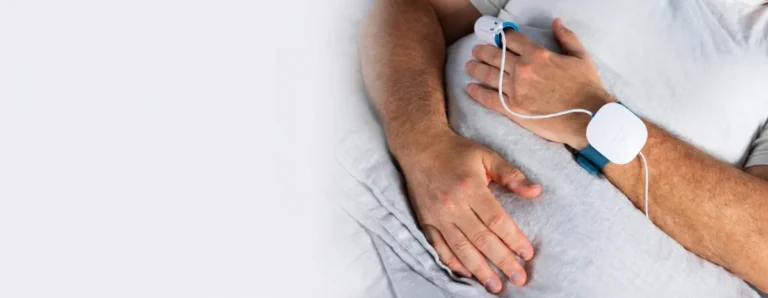
- Upcoding and Misrepresentation: The core of the scheme involved a "bait-and-switch" tactic regarding billing codes. The company routinely conducted at-home sleep studies, which are generally more convenient for patients and significantly less expensive to administer. However, when submitting claims to the US Department of Health and Human Services (HHS), the Veterans Health Administration (VHA), and private insurance carriers, the group submitted billing codes for in-office, supervised sleep studies. These in-office procedures carry a higher reimbursement rate, allowing the company to extract inflated payments from insurers.
- Fabricated Services: To compensate for periods of low productivity or revenue shortfalls at specific clinics, Gerami allegedly directed his staff to create "ghost" records. These records were used to bill for sleep studies that never occurred. By utilizing sensitive patient information, the company generated revenue from thin air, effectively stealing from federal health programs and private policyholders alike.
Investigation and Charges
The trail of illicit activity eventually drew the attention of federal investigators. The investigation was spearheaded by the Health and Human Services Office of Inspector General (HHS-OIG) and the Department of Veterans Affairs Office of Inspector General (VA-OIG). Following a comprehensive review of billing records and internal company communications, Gerami was officially charged by information on June 22, 2026.
Supporting Data: The Cost of Corruption
The financial impact of the Coastal Diagnostic Testing Group scheme is substantial. The total loss attributable to the fraudulent billing practices has been calculated at $2,124,363.41.
This figure represents more than just a ledger discrepancy; it reflects a direct depletion of resources intended for legitimate patient care. The scope of the fraud is particularly concerning given the involvement of the Veterans Health Administration, which provides critical care to those who have served in the US military. By diverting funds from the VHA, the fraudulent scheme directly threatened the fiscal health of programs designed to support veterans’ medical needs.
The scale of this fraud also places a spotlight on the administrative burden of healthcare. When insurance companies are forced to cover millions in fraudulent claims, the downstream costs are often passed on to patients in the form of higher premiums and stricter authorization requirements for legitimate medical procedures.
Official Responses and Judicial Path
The prosecution of this case is being handled by Assistant US Attorneys Joseph Huynh and Julia Jarrett. Their work underscores the Department of Justice’s ongoing commitment to rooting out healthcare fraud.
The Plea Agreement
As part of his guilty plea, Gerami has acknowledged his role as the architect of the conspiracy. He admitted that he oversaw all facets of the company’s operations and was the primary force behind the direction given to employees to facilitate the billing fraud.
In exchange for his plea, the legal consequences for Gerami are severe:
- Maximum Sentence: He faces up to 10 years in federal prison.
- Financial Penalties: He faces a maximum fine of $250,000.
- Supervised Release: The plea includes a three-year period of supervised release following any potential incarceration.
- Full Restitution: A critical component of the agreement is Gerami’s commitment to providing full restitution to the victims—the federal agencies and private insurers he defrauded.
The sentencing hearing is scheduled for January 26, 2027, where a US District Court judge will determine the final penalty based on federal sentencing guidelines and the gravity of the offenses committed.
Implications for the Healthcare Industry
The downfall of Coastal Diagnostic Testing Group serves as a cautionary tale for diagnostic centers and medical practices across the United States.
The Need for Rigorous Compliance
The case demonstrates that even localized diagnostic companies are subject to intense federal scrutiny. With the increasing use of data analytics, federal agencies like the OIG are becoming more adept at spotting patterns of anomalies in billing, such as an unusual spike in in-office sleep studies compared to the industry standard for home-based care. Practices must implement robust compliance programs that include regular audits of their billing departments to ensure that every claim submitted matches the actual service provided.
Erosion of Patient Trust
Perhaps the most damaging aspect of this case is the erosion of trust between patients and their healthcare providers. When an operator uses patient information to fabricate medical records, they are not only breaking the law; they are violating the fundamental medical ethics that govern the doctor-patient relationship. Patients in rural Oregon who trusted these clinics to diagnose their health issues were instead being used as instruments in a criminal financial scheme.
Future Regulatory Oversight
Expect to see increased scrutiny of sleep study reimbursement policies in the coming years. As remote patient monitoring and at-home diagnostic tools become more prevalent, the federal government will likely introduce stricter verification processes for claims submitted by private diagnostic groups. This case will undoubtedly be cited in future policy discussions regarding the oversight of small-to-mid-sized medical diagnostic firms.
Conclusion
The conviction of Mehrdad Gerami is a victory for transparency and fiscal responsibility in the healthcare sector. By holding individual operators accountable for systemic fraud, the justice system sends a clear message that the exploitation of federal health programs and private insurance will not be tolerated. As the legal process concludes in early 2027, the focus will shift to the restitution process, ensuring that the millions lost to this fraudulent scheme are returned to the systems intended to serve the health and well-being of the public.
For the residents of Coos Bay, Brookings, Reedsport, Florence, and Roseburg, the closure of this case marks a return to integrity in their local diagnostic care, while for the broader medical industry, it stands as a reminder that the cost of unethical conduct is, ultimately, too high to pay.