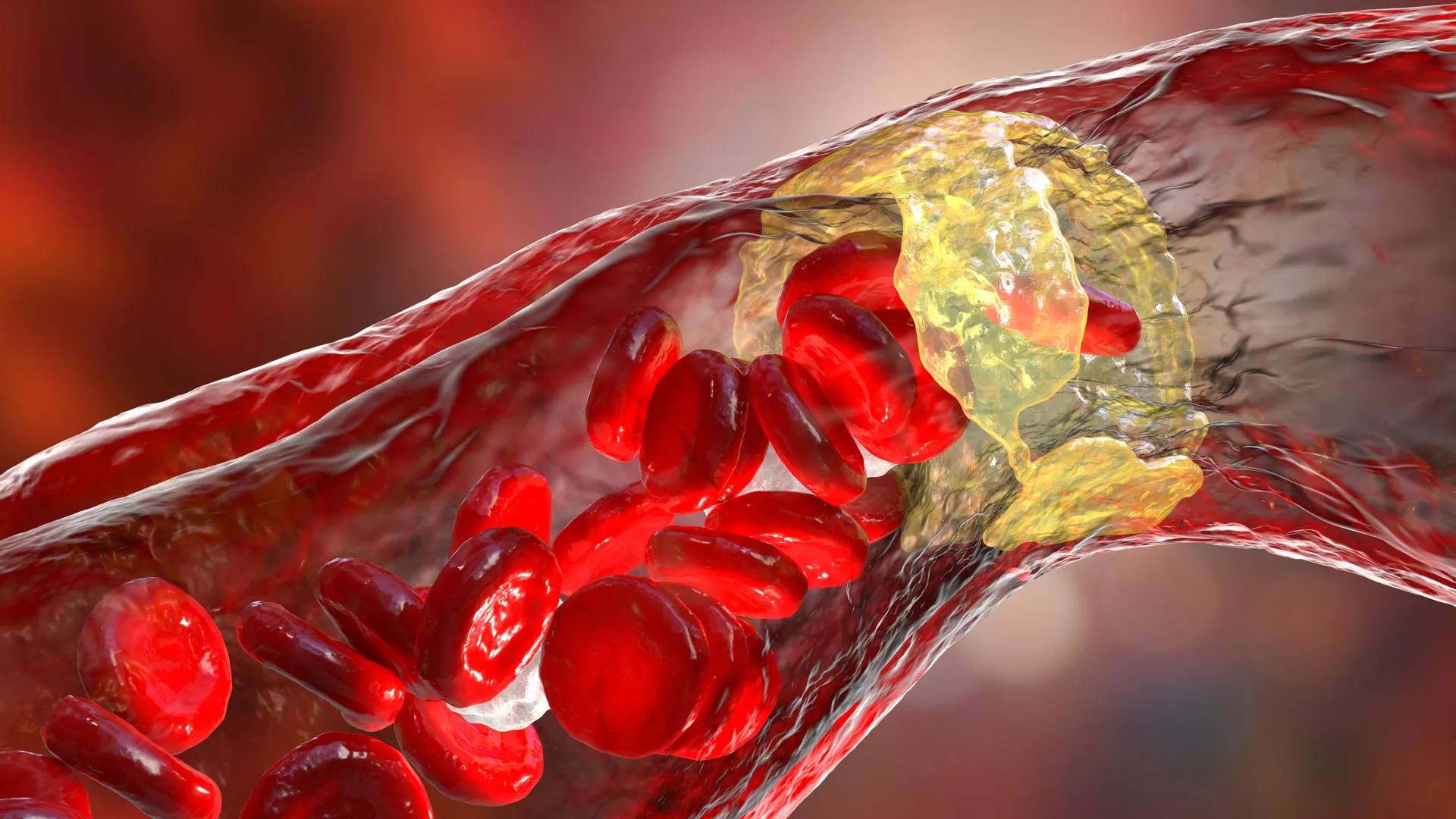
In a major development for preventive cardiology, researchers from Mass General Brigham have unveiled clinical trial data suggesting that early, aggressive cholesterol-lowering treatment can fundamentally alter the trajectory of heart disease in high-risk patients. The study, which focused on individuals with diabetes who have not yet developed clinical atherosclerosis—the buildup of plaque in the arteries—found that the use of the drug evolocumab significantly reduces the incidence of first-time major cardiovascular events.
The findings were presented at the American College of Cardiology’s Annual Scientific Session & Expo and simultaneously published in JAMA. This research marks a potential paradigm shift in how clinicians approach the management of patients who are at risk for cardiovascular disease but have not yet manifested the physical signs of artery damage.
Main Facts: A New Frontier in Primary Prevention
For over a decade, the medical community has operated under a standardized protocol: intensive cholesterol management is typically reserved for those who have already experienced a cardiovascular event or have been diagnosed with established atherosclerotic cardiovascular disease (ASCVD). The new data from the VESALIUS-CV trial challenges this reactive model, proposing a more proactive, "preventive-first" strategy.
The study, which examined 3,655 patients, centered on a specific cohort: individuals with high-risk diabetes who showed no evidence of significant plaque buildup. "High-risk" in this context was defined as patients who had been managing diabetes for at least a decade, those who required daily insulin therapy, or those who exhibited clinical signs of microvascular complications—damage to the body’s smallest blood vessels.
Participants were treated with evolocumab, a PCSK9 (proprotein convertase subtilisin/kexin type 9) inhibitor, administered via injection every two weeks. When paired with standard statin therapy, the results were striking: patients saw a 31% reduction in their risk of experiencing a first major cardiovascular event, including heart attack, ischemic stroke, or death from coronary heart disease.
Chronology of the VESALIUS-CV Trial
The journey toward these findings began with the objective of identifying whether PCSK9 inhibitors—which are remarkably efficient at clearing "bad" cholesterol from the bloodstream—could provide clinical benefits before the "point of no return" in artery health.
- The Baseline: Researchers recruited 3,655 high-risk diabetic patients from various global centers. All participants were maintained on standard cholesterol-lowering regimens, including statins and ezetimibe, to ensure the trial tested the additional benefit of evolocumab.
- The Intervention: Participants were randomized into two groups. The first group received evolocumab injections every two weeks, while the second group received a placebo.
- The 48-Week Mark: By the 48-week follow-up, the efficacy of the drug in lowering LDL-C was clearly established. The evolocumab group achieved median LDL-C levels of 52 mg/dL, compared to 111 mg/dL in the placebo group—a reduction of approximately 51%.
- The Five-Year Milestone: Over a follow-up period spanning nearly five years, researchers monitored the groups for primary cardiovascular outcomes. The data revealed that only 5% of patients in the evolocumab group suffered a major event, compared to 7.1% in the placebo group.
- Publication and Presentation: In 2024, the findings were unveiled at the American College of Cardiology’s Annual Scientific Session, concurrent with a peer-reviewed publication in JAMA, signaling the trial’s completion and the immediate dissemination of the results to the global medical community.
Supporting Data: The Power of LDL-C Reduction
The efficacy of evolocumab rests on its mechanism of action. As a PCSK9 inhibitor, it prevents the PCSK9 protein from binding to LDL receptors on the liver. By blocking this protein, the drug allows the liver to clear LDL cholesterol—the "bad" cholesterol—from the blood far more effectively than statins alone.
The clinical data from the VESALIUS-CV trial provides quantitative evidence of this biological advantage. Reducing LDL-C levels by roughly 60% is a benchmark of the drug class, and in this specific high-risk diabetic population, the median reduction of 51% was sufficient to yield a 31% relative risk reduction in adverse outcomes.
Equally important to the clinical outcome was the safety profile observed throughout the study. Despite the intensive lowering of cholesterol, serious side effects were reported at similar rates in both the treatment and placebo groups. This suggests that the aggressive lowering of LDL-C to very low levels is not only effective but also well-tolerated, even in patients who might have comorbid conditions related to diabetes.
Official Responses and Clinical Perspectives
The lead researchers involved in the study believe these results are transformative. "For over a decade, intensive cholesterol-lowering has been reserved for patients who already have cardiovascular disease," said corresponding author Nicholas A. Marston, MD, MPH, a cardiologist with the Mass General Brigham Heart and Vascular Institute.
Dr. Marston emphasized that the current findings should force a re-evaluation of current medical guidelines. "These results demonstrate the benefit of intensive cholesterol lowering earlier and should change how we think about the prevention of heart attacks, strokes, and heart disease in patients without known significant atherosclerosis," he noted.
The study’s authors include a broad international consortium of cardiologists and researchers, including those from the TIMI Study Group at Brigham and Women’s Hospital. While the study was funded by Amgen Inc., the breadth of the research team—including experts from Canada, Brazil, Germany, and Australia—underscores the global interest in managing cardiovascular risk in the diabetes population.
Implications for Future Cardiovascular Care
The implications of this study are far-reaching, particularly for the millions of people living with diabetes. Because diabetes is a systemic metabolic condition that significantly accelerates the risk of vascular damage, standard statin therapy—while helpful—often fails to bring high-risk patients to an optimal, low-risk threshold.
1. Redefining "High Risk"
The VESALIUS-CV trial suggests that "high-risk" should no longer be defined solely by the presence of plaque or a history of heart disease. Instead, the study provides a roadmap for identifying patients who, due to the duration and severity of their diabetes, warrant a more aggressive therapeutic approach before clinical symptoms manifest.
2. A New Standard of Care?
If clinical practice guidelines adopt these findings, we may see a shift toward earlier use of PCSK9 inhibitors for diabetic patients. This would require a change in both insurance coverage policies and clinical prescription habits, moving away from a reactive "wait-and-see" approach to a preemptive "protect-and-prevent" model.
3. The Need for Further Investigation
Despite the success of the trial, the researchers are cautious about broad generalization. Dr. Marston and his colleagues noted that while the results for this specific high-risk diabetic group are compelling, additional studies are necessary to determine if these benefits hold true for other high-risk demographics—such as those with chronic kidney disease or metabolic syndrome—who also lack established atherosclerosis.
4. Patient Quality of Life
The primary goal of preventive cardiology is to extend "healthspan"—the number of years a person lives without chronic illness. By preventing the first major cardiovascular event, clinicians can prevent the long-term morbidity, hospitalizations, and psychological impact that follow a heart attack or stroke. For a diabetic patient, avoiding these events is crucial to maintaining quality of life and managing their primary condition effectively.
Conclusion
The VESALIUS-CV trial represents a milestone in the effort to combat heart disease. By demonstrating that evolocumab can successfully lower cholesterol and significantly reduce the risk of major cardiovascular events in patients with diabetes who have not yet developed atherosclerosis, Mass General Brigham researchers have provided a compelling case for earlier intervention.
While the medical community awaits further studies to see how these findings might be applied across other patient populations, the message from this trial is clear: in the fight against cardiovascular disease, the best time to intervene is before the first sign of damage appears. As clinical guidelines evolve, this research will likely serve as a cornerstone for the next generation of preventive heart care.