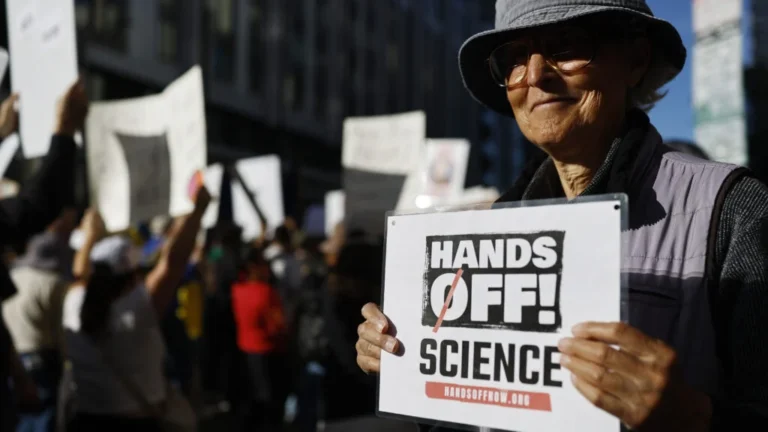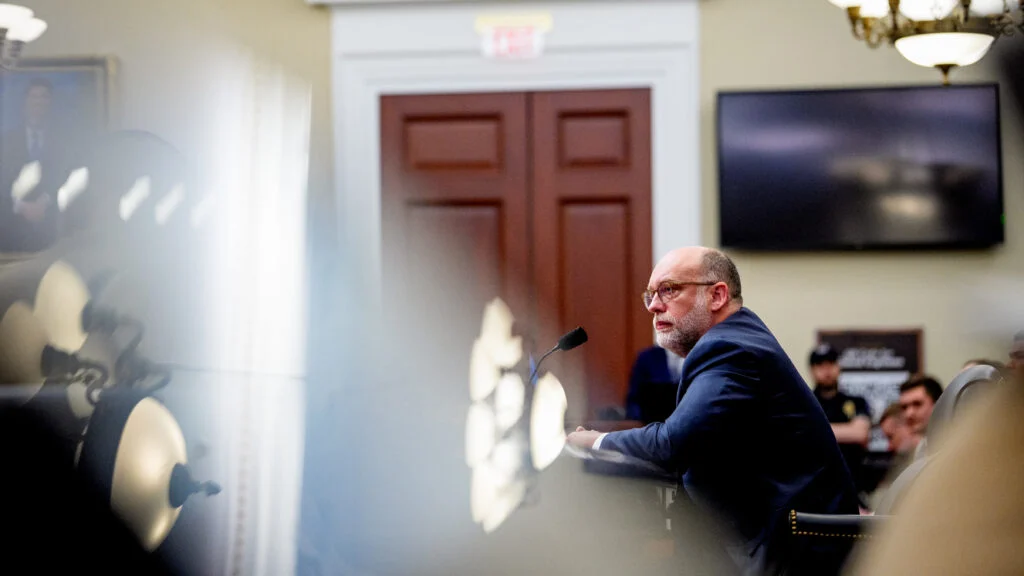
In a significant victory for the scientific community and institutional independence, a controversial Trump administration proposal to exert direct political control over National Institutes of Health (NIH) grant awards appears to have been shelved. The plan, which would have established a commission of political appointees—including Office of Management and Budget (OMB) Director Russell Vought—with veto power over individual research projects, has been declared “dead” by sources close to the administration.
The retreat follows a firestorm of bipartisan opposition on Capitol Hill, spearheaded by Senate Appropriations Committee Chair Susan Collins (R-Maine), who warned that the move would compromise the integrity of American biomedical research.
The Core Conflict: Scientific Merit vs. Political Ideology
At the heart of the standoff is the fundamental question of how federal research dollars should be allocated. For decades, the NIH has operated under a system of "peer review," where independent panels of subject-matter experts assess research proposals based on scientific rigor, innovation, and potential medical impact.
The proposed executive order sought to disrupt this model by empowering political appointees to weigh in on, and potentially kill, grant applications that were deemed inconsistent with the administration’s policy goals. The friction reached a breaking point during a recent Oval Office meeting, where Vought reportedly challenged the NIH’s funding priorities, specifically targeting projects he characterized as misaligned with administration objectives. Reports further suggest that the administration aimed to use this lever to specifically withhold funding from institutions like Harvard University.
Senator Collins, in a firm letter to OMB Director Vought and NIH Director Jay Bhattacharya, encapsulated the frustration of many lawmakers: “I urge you not to move forward with this proposal, which would undermine the Federal government’s objective of funding biomedical research projects based on scientific merit and value rather than political ideology.”
A Chronology of Escalation: OMB’s Mounting Pressure on NIH
The abandoned executive order was not an isolated incident but rather the latest chapter in a broader campaign by the OMB to consolidate power over federal science funding. The tension has been building for over a year:
- July 2025: The administration mandated that the NIH fund grants in their entirety upfront, rather than through traditional annual disbursements. Critics argued this was a calculated move to drain the agency’s cash reserves, limiting its ability to initiate new, independent research projects.
- Late 2025: The OMB instituted a brief, unprecedented pause on all NIH spending, effectively freezing the agency’s ability to distribute funds to researchers across the country.
- Early 2026: OMB officials delayed final sign-off on the 2026 NIH budget, creating uncertainty and administrative bottlenecks for medical researchers nationwide.
- May 2026: The OMB proposed a radical rewrite of federal contract guidance, which would have deemphasized the peer-review process across the entire federal government in favor of increased political oversight. This proposal was met with tens of thousands of public comments in opposition and was eventually thwarted by congressional action in a stopgap spending bill.
- September 2026: The administration’s attempt to institutionalize this control via an executive order regarding NIH grants prompted a swift, unified rebuke from both the House and the Senate, leading to the reported abandonment of the plan.
Congressional Response: A Rare Bipartisan Front
The swiftness of the administration’s reversal is largely attributed to the unusual speed and intensity with which Congress moved to block the proposal. While the political climate in Washington remains deeply polarized, the protection of the NIH has emerged as a rare area of consensus.
Senator Patty Murray (D-Wash.), vice chair of the Senate Appropriations Committee, did not mince words in her assessment of the administration’s strategy. "It shouldn’t take public outcry to prevent President Trump and Russ Vought from laying waste to the NIH and defunding lifesaving research because they think it’s ‘woke’ or want to extort a university," Murray stated.
Lawmakers from both parties emphasized that the NIH’s reputation as the gold standard of global medical research depends entirely on the perception that funding decisions are shielded from political meddling. By attempting to insert political appointees into the grant-making process, the administration risked not only the funding of critical research but also the global credibility of the U.S. research infrastructure.
Implications for the Future of Scientific Research
The fallout from this incident suggests that the administration’s efforts to micromanage science funding have hit a legislative wall. However, the battle lines remain drawn.
1. The Resilience of the Peer-Review System
The failure of the executive order reinforces the status quo of the peer-review process. By requiring that grants be judged by scientists, the system ensures that taxpayer dollars are directed toward projects with the highest probability of yielding medical breakthroughs, such as cancer treatments, infectious disease protocols, and neurodegenerative research.
2. The Limits of Executive Power
This episode serves as a case study in the limitations of executive authority when it clashes with established agency culture and legislative oversight. Congress has demonstrated, through its power of the purse in recent appropriations bills, that it remains willing to reject White House-led attempts to centralize control over non-political scientific agencies. For instance, the 2026 appropriations bill specifically curbed the administration’s "multiyear funding" strategy and secured budget increases that the OMB had initially sought to slash.
3. The "Chilling Effect" on Academia
While the order may be dead, the damage to the relationship between the executive branch and the scientific community may be more enduring. Researchers and university administrators have expressed concern that constant instability and the threat of political reprisal will discourage the next generation of scientists. If grants become subject to the whims of political cycles, the most innovative minds may look to the private sector or international institutions where research stability is better protected from partisan shifts.
Looking Ahead: The 2027 Budget Cycle
As the dust settles on this particular proposal, the focus now turns to the upcoming appropriations cycle. Congress remains on track to reject further OMB-proposed cuts to the NIH, signaling a continued commitment to robust, independent funding.
However, the administration’s intent remains clear. The rhetoric used by OMB officials during the Oval Office meeting indicates a deep-seated suspicion of how scientific research is currently conducted. Supporters of the NIH argue that while accountability is necessary, it must not come at the expense of scientific freedom.
"The NIH is not a political football," one senior congressional aide noted on the condition of anonymity. "The administration has tried, through various administrative maneuvers, to rewrite the rules of scientific inquiry. Each time, they have found that the institutional guardrails of Congress and the scientific community are stronger than they anticipated."
The White House, which did not respond to requests for comment regarding the reversal, faces an uphill battle if it continues to pursue a strategy of direct political intervention. For now, the NIH continues its work, though the scientific community remains on high alert, watching for the next potential iteration of these policy shifts.
For the researchers who rely on these grants to fuel breakthroughs that affect the lives of millions, the reprieve is welcome—but the memory of the conflict serves as a reminder that the independence of science is a hard-won, and potentially fragile, reality.
Reporting contributed by Daniel Payne.