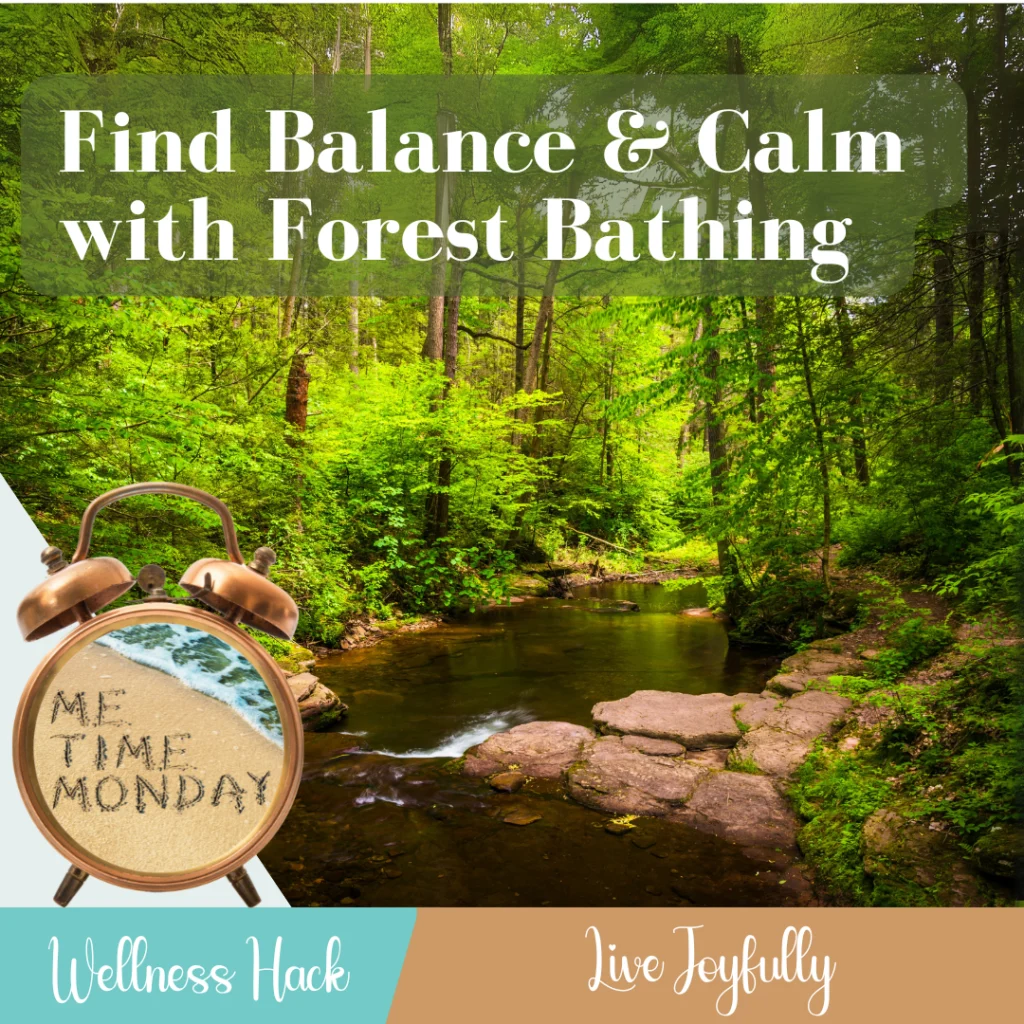
As April marks Stress Awareness Month, the pressures facing caregivers and the "Sandwich Generation"—those simultaneously raising children and caring for aging parents—have never been more pronounced. For these individuals, the concept of "self-care" often feels like an impossible luxury, squeezed between medical appointments, school runs, and professional obligations. However, the latest developments in neuroscience suggest that meaningful restorative care does not require hours of free time. Instead, it is found in micro-moments.
By leveraging the power of our five senses, we can hack our nervous systems to reduce cortisol levels and foster long-term brain health. As outlined in the Me Time Monday philosophy, longevity and mental clarity are intrinsically linked to sensory engagement. By dedicating just seven minutes to targeted, science-backed activities, caregivers can transition from a state of chronic stress to one of physiological equilibrium.
The Neurobiology of Caregiving Stress
The Sandwich Generation faces a unique form of "chronic stress load." Unlike acute stress, which is temporary, caregiving often involves prolonged activation of the sympathetic nervous system. This state, if left unmanaged, leads to systemic inflammation, oxidative stress, and the accelerated aging of brain cells.

The key to combating this is not necessarily a week-long vacation, but rather the consistent, daily application of "wellness hacks." By integrating sensory-based interventions into the existing structure of a caregiver’s day, we can disrupt the feedback loop of stress. Science shows that when we engage our sight, sound, touch, taste, and smell in a conscious, meditative manner, we can trigger the parasympathetic nervous system—the body’s "rest and digest" mechanism.
Chronology of Sensory Wellness: An April Roadmap
To help navigate the month of April, we have mapped specific national observances to sensory-based stress-busting activities. These are designed to be accessible, time-efficient, and scientifically grounded.
April 1: National Walking Day – Visual Grounding
Walking is often viewed as a physical exercise, but on National Walking Day, we invite you to pivot your focus to the visual cortex. Take a seven-minute walk, but leave your phone in your pocket. Instead, "walk with your eyes." Practice active observation: note the textures of tree bark, the specific hue of the sky, or the architectural details of your neighborhood.

Research indicates that seven minutes of mindful walking in nature provides physiological benefits equivalent to twenty minutes of indoor treadmill exercise. By focusing on visual stimuli, you decrease the brain’s "internal chatter," thereby reducing the oxidative stress that contributes to systemic inflammation.
National Humor Month: The Social Wellness Muscle
Laughter is far more than a fleeting emotional reaction; it is an ancient biological bonding ritual. When you share a genuine, belly-deep laugh with a friend, your brain releases oxytocin—often called the "bonding hormone"—which lowers blood pressure and increases feelings of trust and connection.
The Harvard Adult Development Study, which has tracked participants for over 85 years, consistently identifies the quality of social relationships as the primary predictor of health, happiness, and longevity. During National Humor Month, prioritize a phone call, a coffee date, or a video chat. The goal is not the quantity of your social interactions, but the depth of the connection.

National Healthy Home Month: Sensory Nutrition and Light
The color green is evolutionarily linked to safety and food abundance, making it a powerful tool for mood regulation. As we celebrate National Healthy Home Month, consider the role of nutrition in eye health. Avocados, often overlooked, are a dense source of lutein and zeaxanthin—antioxidants that block the blue light emitted by our ubiquitous digital screens. By keeping them in view and incorporating them into your diet, you are not just eating; you are practicing "eye nutrition" that actively protects your cells from the digital fatigue common in modern caregiving.
April 26: National Get Organized Day – The Environmental Stress Response
Clutter is not just a spatial issue; it is a neurological one. When our physical environment is chaotic, our brains interpret the lack of clear, open space as a potential threat, keeping our stress response system in a state of low-level alarm. On National Get Organized Day, focus on clearing a singular space—your desk, a countertop, or a drawer. This act of "environmental editing" signals to the brain that the environment is secure, effectively lowering the ambient stress levels of your home.
April 30: National Sense of Smell Day – Air Quality and Cognitive Restoration
Our final sensory focus is olfaction. NASA research and environmental studies have long touted the role of houseplants in purifying indoor air. Accumulating an average of 40 pounds of dust and toxins annually within the home environment, caregivers often deal with poor air quality without realizing it. Integrating plants such as the Areca Palm, Aloe Vera, Bamboo, English Ivy, or the Spider Plant can significantly improve air quality. The presence of these plants, combined with the subtle, earthy scents they can provide, serves as a natural, low-cost air filtration system that supports cognitive health.

Supporting Data: The 7-Minute Efficacy Model
The "7-Minute Hack" is not merely anecdotal; it is rooted in the concept of neuroplasticity and the brain’s ability to be "reset" through sensory input. Studies on forest bathing (shinrin-yoku) show that even brief exposure to nature-rich environments lowers pulse rates and decreases cortisol concentrations.
Furthermore, the integration of these practices provides a buffer against "Caregiver Burnout Syndrome," a condition characterized by emotional exhaustion and a sense of reduced personal accomplishment. By breaking these down into seven-minute intervals, we overcome the "all or nothing" mentality that prevents many caregivers from pursuing self-care. It transforms the act of wellness from a chore into a manageable, recurring routine.
Implications for the Future of Caregiving
The implications of these findings are profound for both individual caregivers and the organizations that support them. As our global population ages, the Sandwich Generation will continue to grow, creating a massive need for scalable, accessible mental health support.

For employers, integrating "Me Time" principles into employee wellness programs can result in higher retention rates and reduced healthcare costs. For the individual, the shift toward sensory-based care represents a move toward autonomy. By understanding that their brain health is within their control—accessible through a walk, a conversation, a healthy meal, or a decluttered room—caregivers regain a sense of agency that is often stripped away by the demands of their roles.
Conclusion: Bridging Neuroscience and Nature
The journey toward balance is not about finding more time; it is about finding more presence in the time you already have. Whether through the lens of a camera on a nature walk, the sound of a friend’s laughter, or the quiet act of decluttering, we have the tools to protect our longevity.
As you move through this April and beyond, remember that your health is not a byproduct of your caregiving—it is the foundation of it. By nurturing your five senses, you are not just surviving the daily grind; you are actively building the neurological resilience required to thrive.

For those seeking further guidance, the Me Time Monday resource library and our series of "Self-Care in 7 Minutes" videos offer structured, actionable steps to integrate these neuroscience-backed habits into your daily routine. Let this month be the starting point for a sustainable approach to wellness—because you cannot pour from an empty cup, and your well-being is the most important asset in your caregiving toolkit.