









In a landmark shift for preventive cardiology, researchers from Mass General Brigham have unveiled clinical trial data that challenges the long-standing paradigm of cholesterol management. The study, presented at the American College of Cardiology’s Annual Scientific Session & Expo and simultaneously published in JAMA, suggests that the PCSK9 inhibitor evolocumab (Repatha) can significantly mitigate the risk of a first-time major cardiovascular event in high-risk diabetic patients who have not yet developed clinical atherosclerosis.
For over a decade, aggressive lipid-lowering therapies have been largely reserved for patients who have already experienced a cardiovascular event or have advanced plaque buildup. These new findings suggest that by moving these interventions "upstream," clinicians could prevent the initial onset of heart disease rather than merely managing it after the damage is done.
Main Facts: A Paradigm Shift in Preventive Care
The study, a subgroup analysis of the VESALIUS-CV randomized trial, focused on a specific cohort: patients with diabetes who are at high risk for heart disease but who do not yet exhibit significant atherosclerosis—the dangerous accumulation of fatty deposits within artery walls.
For these patients, the standard of care has historically been limited to statins and lifestyle modifications. However, the study results demonstrate that adding evolocumab to the standard treatment regimen offers a potent, protective benefit. Over a five-year follow-up period, patients receiving evolocumab experienced a 31% reduction in the risk of experiencing their first major cardiovascular event, defined as death from coronary heart disease, heart attack, or ischemic stroke.
Chronology: The Journey to Discovery
The path to these results involved a rigorous, multi-year clinical investigation. Funded by Amgen Inc., the VESALIUS-CV trial was designed to evaluate the efficacy of PCSK9 inhibitors in populations that fall into a "gray area" of cardiovascular risk.
- Study Enrollment: Researchers recruited 3,655 patients who met the criteria for "high-risk diabetes." This included individuals who had lived with the condition for at least a decade, those requiring daily insulin therapy, or patients already exhibiting signs of microvascular damage (diabetes-related small blood vessel damage).
- Methodology: Participants were randomized into two groups: one receiving evolocumab injections every two weeks and the other receiving a placebo. Crucially, all participants remained on standard-of-care treatments, including statins and ezetimibe, to ensure that the study measured the added benefit of the PCSK9 inhibitor.
- The 48-Week Benchmark: Researchers assessed the initial impact on lipid profiles at the 48-week mark. The data revealed a stark contrast: median LDL-C levels were approximately 51% lower in the evolocumab group (52 mg/dL) compared to the placebo group (111 mg/dL).
- The Five-Year Follow-up: As the trial progressed toward its five-year conclusion, the clinical outcomes began to diverge. By the end of the study, only 5% of patients in the evolocumab group had suffered a major cardiovascular event, compared to 7.1% in the placebo group—a statistically significant improvement.
Supporting Data: The Science of Lowering "Bad Cholesterol"
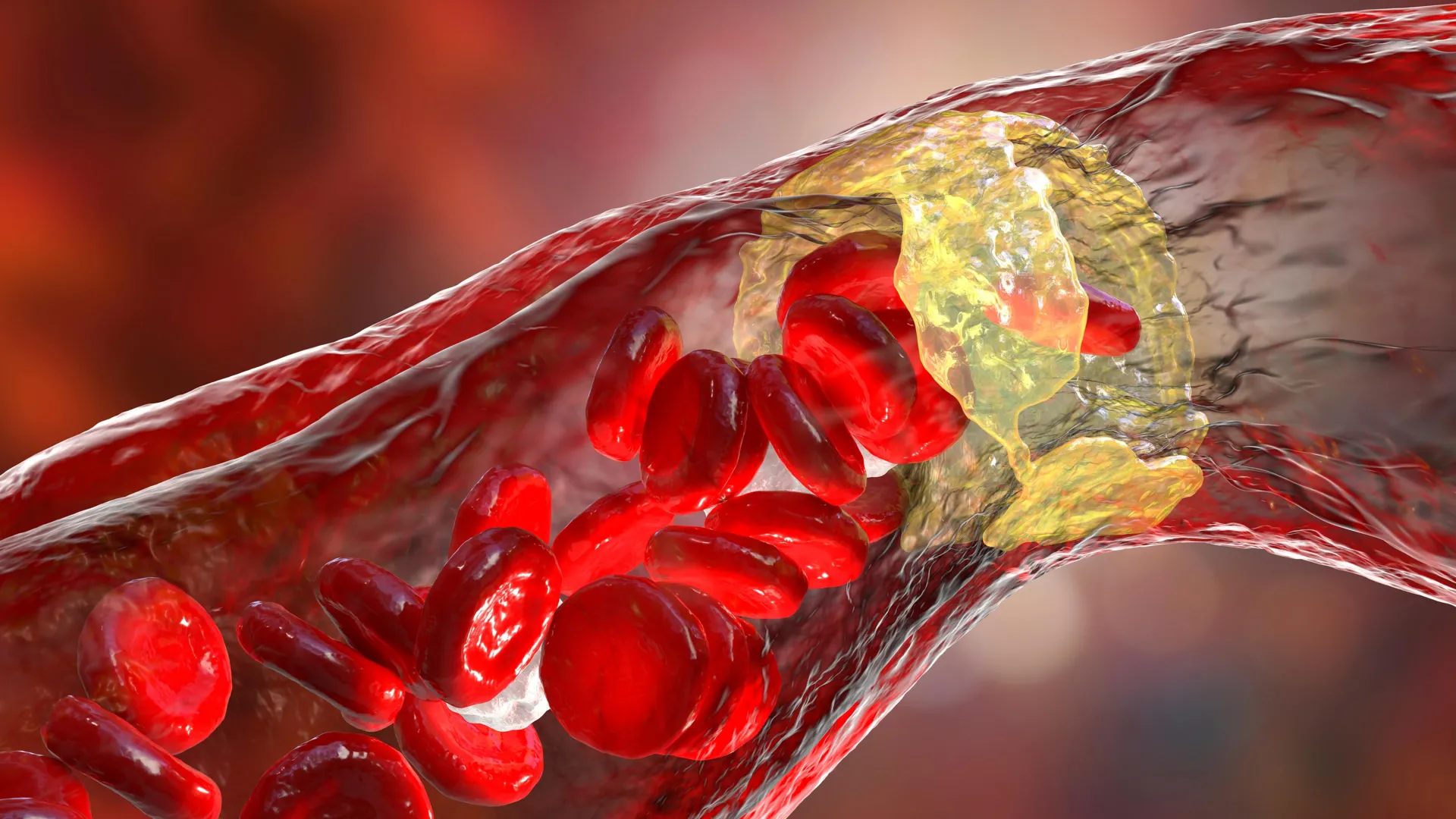
Low-density lipoprotein cholesterol (LDL-C), colloquially known as "bad cholesterol," remains the primary target for cardiovascular prevention. When LDL-C accumulates in the blood, it leads to the formation of plaques in the arteries, which can eventually rupture, causing heart attacks or strokes.
Evolocumab represents a modern class of medication known as PCSK9 inhibitors. Unlike statins, which primarily work by inhibiting the production of cholesterol in the liver, PCSK9 inhibitors work by blocking a protein that prevents the liver from removing LDL-C from the bloodstream. By inhibiting this protein, the liver becomes significantly more efficient at clearing "bad cholesterol," often reducing LDL-C levels by up to 60%.
The VESALIUS-CV data underscores that this mechanism is not only safe but highly effective for those who have not yet progressed to advanced heart disease. The consistent reduction in LDL-C levels, maintained throughout the study duration, correlated directly with the 31% reduction in cardiovascular risk, reinforcing the medical community’s "lower is better" philosophy regarding cholesterol.
Official Responses and Clinical Implications
The lead investigators of the study believe the results carry profound implications for how cardiologists and endocrinologists treat high-risk patients.
"For over a decade, the intensive cholesterol-lowering therapies have been reserved for patients who already have cardiovascular disease," said corresponding author Nicholas A. Marston, MD, MPH, a cardiologist with the Mass General Brigham Heart and Vascular Institute. "These results demonstrate the benefit of intensive cholesterol lowering earlier and should change how we think about the prevention of heart attacks, strokes, and heart disease in patients without known significant atherosclerosis."
The study is viewed as a "proof of concept" for early intervention. By identifying high-risk diabetic patients before the onset of structural vascular disease, clinicians may be able to extend the lives of patients and reduce the long-term burden on the healthcare system.
A Note on Safety
One of the most encouraging findings of the study was the safety profile of the treatment. Serious adverse events were reported at similar rates in both the treatment and placebo arms. This suggests that the intensive lowering of cholesterol via PCSK9 inhibitors is not only effective but also well-tolerated, even in a population that requires long-term, ongoing medication.
Looking Ahead: The Future of Preventive Cardiology
While the results are promising, the researchers are cautious about broad, immediate implementation without further investigation. They note that the findings specifically apply to a high-risk diabetic cohort. Future research will be required to determine if these benefits can be extrapolated to other high-risk groups—such as those with high blood pressure or chronic kidney disease—who also lack established atherosclerosis.
The study also raises questions about cost-effectiveness and accessibility. As PCSK9 inhibitors are generally more expensive than traditional statins, health systems and insurers will need to weigh the long-term savings of prevented heart attacks against the upfront costs of the medication.
Authorship, Disclosures, and Funding
The study was a massive collaborative effort, reflecting the global scale of cardiovascular research.
- Mass General Brigham Contributors: In addition to Dr. Marston, the team included Erin A. Bohula, Jeong-Gun Park, Sabina A. Murphy, Ron Blankstein, Robert P. Giugliano, and Marc S. Sabatine.
- Global Collaboration: The study included an international team of experts, including Ajay K. Bhatia, Gaetano M. De Ferrari, Lawrence A. Leiter, Jose C. Nicolau, Emileigh Walsh, Lyrica Liu, Subodh Verma, Naveed Sattar, Stephen J. Nicholls, Jose Lopez-Sendon, Ioanna Gouni-Berthold, Lale Tokgozoglu, Marcoli Cyrille, and Gabriel Paiva da Silva Lima.
Disclosures:
The transparency of the trial is highlighted by the extensive list of disclosures. Members of the TIMI Study Group, including Drs. Marston, Bohula, Kuder, Park, Murphy, Giugliano, and Sabatine, reported receiving grant support from Amgen and other pharmaceutical companies through Brigham and Women’s Hospital. Several authors, including Bhatia, Walsh, Liu, Cyrille, and Paiva da Silva Lima, are employees and stockholders of Amgen. Further detailed disclosures regarding personal fees and honoraria are documented in the full publication in JAMA.
Funding:
The trial was funded by Amgen Inc., the manufacturer of evolocumab.
Conclusion
As the medical community digests these results, the message is clear: the window of opportunity to prevent cardiovascular disease may be much wider than previously thought. By acting before the first signs of atherosclerosis manifest, clinicians have a new, powerful tool in their arsenal to protect one of the most vulnerable populations in modern medicine. While more research is required to refine the guidelines, the VESALIUS-CV trial serves as a clarion call to re-evaluate the timing and intensity of cholesterol management in patients with high-risk diabetes.