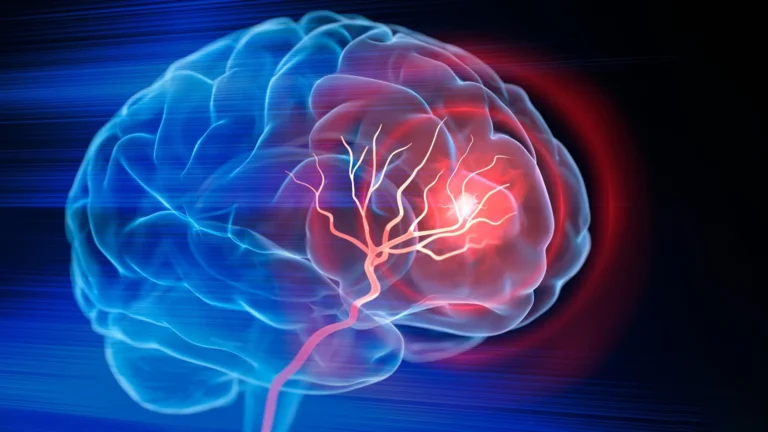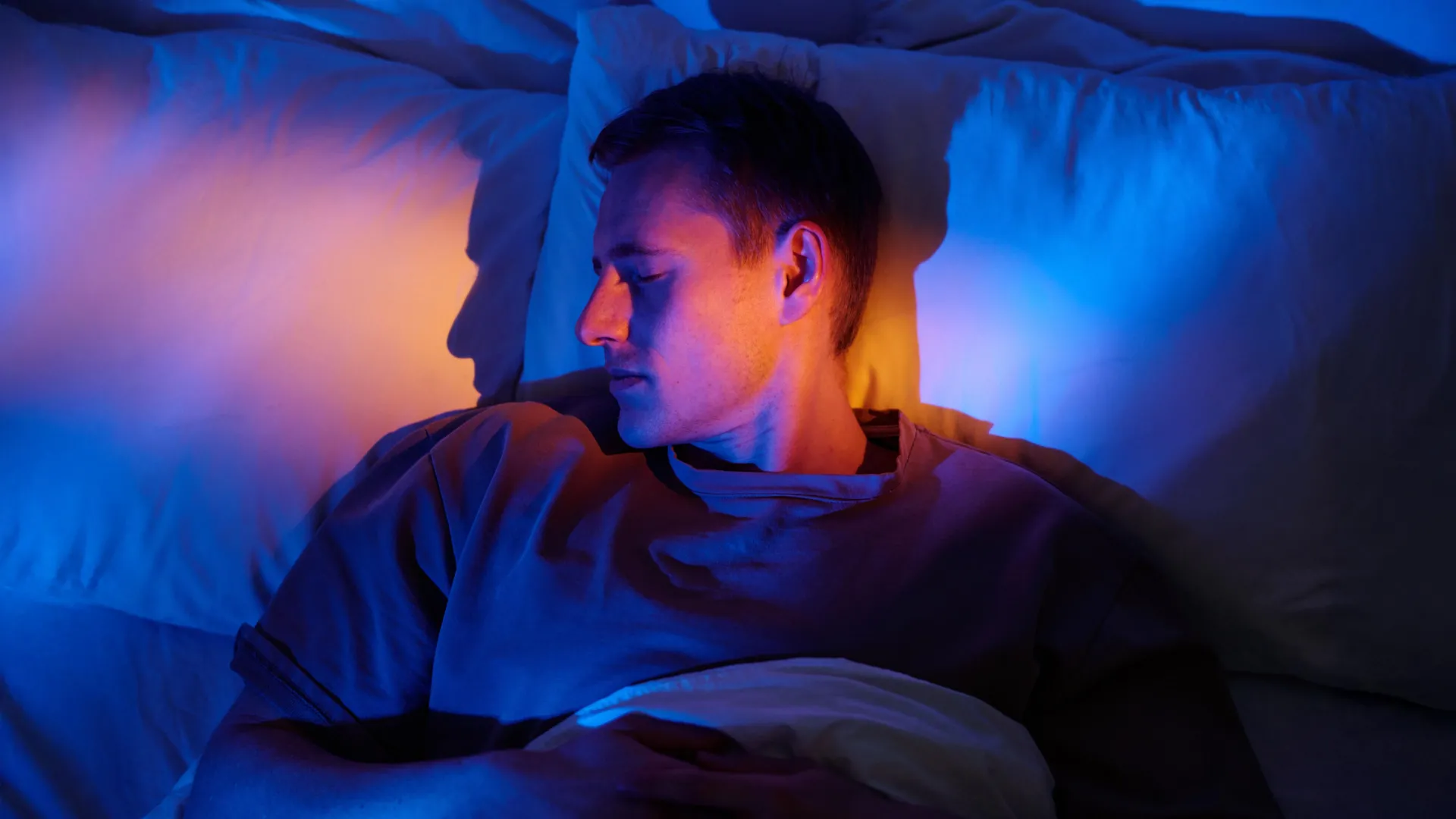
For decades, the medical community has focused on the "big three" of cardiovascular health: diet, exercise, and stress management. However, a groundbreaking study published on September 9 in the European Heart Journal suggests that a pervasive, often overlooked environmental factor may be silently damaging our cardiovascular systems while we sleep. According to research involving more than 11,000 individuals, exposure to light at night—even at relatively low levels—is intrinsically linked to structural and functional changes in the heart, a process known as "cardiac remodeling."
The Core Findings: A New Frontier in Cardiovascular Risk
The research, led by Professor Lu Qi of Tulane University, provides the first empirical evidence that the ambient light in our bedrooms is not merely an inconvenience to sleep quality, but a potential driver of heart disease. By monitoring 11,071 participants from the UK Biobank, researchers established a clear, dose-response relationship: the more light a person is exposed to during their nocturnal hours, the more profound the negative changes to their cardiac structure.
The study identified that individuals exposed to nighttime light levels exceeding three lux—roughly equivalent to a dim streetlamp filtering through a window or a standby light on a television—exhibited measurable physiological changes compared to those sleeping in near-total darkness. These changes included the thickening of the left ventricle wall and a reduction in the chamber’s interior volume. Perhaps most concerning, the scans revealed a loss of muscle flexibility, a critical early indicator that the heart is struggling to pump efficiently.
Chronology of a Medical Investigation
The journey to these findings began with a hypothesis based on the known association between light pollution and cardiovascular disease. While previous observational studies had hinted at a correlation, the mechanisms remained obscured.
Phase I: Data Collection (The UK Biobank)
The researchers utilized data from the UK Biobank, a massive, long-term study that tracks the health of half a million participants. For this specific inquiry, 11,071 individuals were equipped with wrist-worn light sensors for seven consecutive days. This allowed for precise, objective measurement of their nightly light exposure, bypassing the inaccuracies inherent in self-reported sleep habits.
Phase II: The Three-Year Gap
Following the initial monitoring period, the participants went about their lives for three years. This longitudinal approach was vital; it allowed researchers to observe the progression of heart health over time, rather than relying on a "snapshot" analysis that could be influenced by transient health events.
Phase III: Advanced Imaging (The MRI Analysis)
Three years after the light-monitoring phase, the participants underwent cardiac MRI scans. These state-of-the-art diagnostic tools allowed scientists to peer into the heart with unprecedented detail. The images provided a clear map of the heart’s anatomy—including the right ventricles and left atria—enabling the team to identify exactly where and how the "remodeling" was taking place.
Supporting Data: Understanding Cardiac Remodeling
To understand why these findings are so alarming, one must understand the concept of cardiac remodeling. Typically, the heart undergoes structural changes as a survival mechanism in response to chronic injury or sustained physiological stress, such as hypertension or valvular disease.
In the case of light exposure, the heart appears to be reacting to a form of environmental stress. As Professor Qi explains, "This is the body’s way of adapting to stress, but ultimately it weakens the heart and can lead to heart failure." The study observed that the thickening of the left ventricle—the heart’s primary pumping chamber—reduces the amount of blood the heart can effectively eject. When combined with reduced flexibility, the heart becomes less efficient, forcing it to work harder to maintain the same level of circulation.
The researchers noted that the effect sizes were "clinically meaningful." This was not a subtle statistical anomaly; it was a clear trend suggesting that the biological impact of light pollution is as real and as dangerous as other more commonly discussed environmental hazards.
Official Responses and Clinical Perspectives
The publication of this study has sent ripples through the cardiology community. In a poignant editorial accompanying the findings, Professor Thomas Münzel of the University Medical Center Mainz, Germany, and his colleagues, framed the discovery as a wake-up call for modern medicine.
The Clinician’s New Mandate
Professor Münzel argues that the medical history-taking process is currently incomplete. "It is time for clinicians, particularly those managing patients with heart failure or atrial fibrillation, to start asking about the sleep environment," the editorial states. This includes inquiring about bedroom darkness, the presence of shift work, and, crucially, the use of screens in the hours leading up to sleep.
For the medical professional, this represents a shift from reactive to proactive care. By incorporating "sleep environment hygiene" into routine patient consultations, doctors could potentially mitigate one of the most invisible risks to heart health.
The Public Health Call to Action
The implications of the study extend far beyond the doctor’s office and into the realm of public policy. If light pollution is a risk factor for cardiovascular disease, then the design of our urban environments becomes a public health concern.
Professor Münzel’s team suggests that the solutions are both "simple and inexpensive." From an individual standpoint, the advice is straightforward: utilize blackout curtains, switch to warm-colored bedside lighting (which lacks the blue light frequencies known to disrupt circadian rhythms), and cover standby LEDs on electronics. From a city-planning perspective, the editorial calls for the widespread adoption of shielded light fixtures, motion-activated streetlights, and a transition to warmer light spectrums. These measures are not only energy-efficient but serve as a direct intervention against a burgeoning health crisis.
Implications: Darkness as a Vital Sign
The most striking conclusion of the European Heart Journal study is the re-evaluation of darkness itself. In a world that is "glowing ever brighter," we have largely forgotten that darkness is a biological necessity.
The Biological Coherence of the Study
The relationship between light and cardiac health is biologically coherent. We know that light suppresses melatonin, a hormone critical for sleep regulation, but also essential for cardiovascular protection. Constant exposure to light at night disrupts the circadian clock, which in turn influences blood pressure, heart rate variability, and metabolic function. Over months and years, this constant state of "circadian misalignment" places the heart under perpetual strain.
A Call for Policy Reform
The study provides a clear mandate for policymakers: light pollution is not just an issue for astronomers or environmentalists concerned about wildlife; it is a clinical hazard. The dose-response relationship identified in the study—that "more light equals worse outcomes"—is an unambiguous warning.
As the researchers noted, "Darkness deserves recognition as a vital sign, as essential to cardiovascular health as blood pressure control and clean air."
Conclusion: Reclaiming the Night
The findings from Professor Qi and his team serve as a stark reminder that our bodies were evolved to operate in harmony with the natural cycles of the sun. The modern, 24-hour illuminated environment is a radical departure from our ancestral baseline, and we are only now beginning to understand the full extent of the biological cost.
As we move forward, the message to the public is clear: while we cannot easily control the air quality of our cities or the stress of our jobs, we have total control over our immediate sleep environment. By dimming the lights, shielding our windows, and prioritizing the sanctity of darkness, we may be doing more than just improving our sleep—we may be actively preserving the integrity and function of our hearts.
The "glowing planet" may be a testament to human progress, but the cost, as revealed by this study, is being paid for in the very chambers of our hearts. It is time to treat light pollution with the urgency it deserves and to view the return to darkness not as a regression, but as a vital health intervention.