In the United States, the concept of "home" is often synonymous with independence, comfort, and safety. Yet, for millions of aging Americans, the very structures they live in have become silent obstacles to their autonomy. As we celebrate Older Americans Month and National Home Modification Month this May, the national conversation is shifting toward a critical realization: our housing stock is fundamentally mismatched with the demographic reality of an aging population.
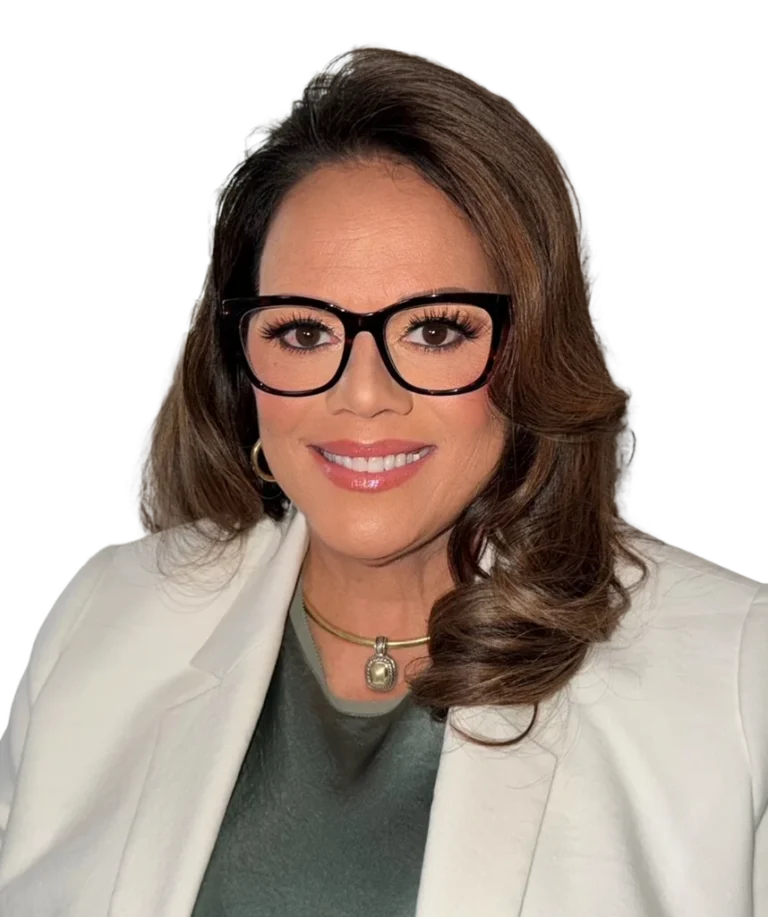
In a recent episode of the Caregiving Club On Air podcast, host Sherri Snelling—a renowned gerontologist, author, and CEO of the Caregiving Club—sat down with Sean Fitzgerald, President of TruBlueAlly, to dissect the crisis of modern housing. The discussion centered on a startling statistic: out of the 100 million homes currently standing in the U.S., only 1% incorporate universal design features.
This architectural oversight is what Snelling, in her seminal book ME TIME MONDAY, coined "Peter Pan Home Syndrome"—a phenomenon where houses are built for people who, as the metaphor suggests, will never grow old.
The Architecture of Exclusion: Understanding "Peter Pan Home Syndrome"
The "Peter Pan Home Syndrome" describes a pervasive design philosophy that prioritizes aesthetics and traditional layouts over long-term functional accessibility. Most residential homes are constructed with stairs, narrow doorways, high-threshold showers, and poor lighting—all of which cater to a youthful, able-bodied demographic.

However, as residents age, these features transform from mere inconveniences into significant safety hazards. "We are living in a society where the infrastructure is actively working against our desire to age in place," says Snelling. When a home is not built to evolve with its occupant, the result is often a premature and traumatic transition to assisted living facilities, rather than the preferred path of remaining in one’s own residence.
Sean Fitzgerald and the team at TruBlueAlly are working to dismantle this syndrome. By focusing on home modifications that emphasize safety, mobility, and environmental wellness, they are helping older adults reclaim their homes. The goal is to move beyond "retrofitting" and toward a proactive model of home management that recognizes the home as a dynamic, rather than static, entity.
Chronology of a Housing Crisis
To understand why we are at this juncture, one must look at the evolution of American housing policy and construction trends:
- Mid-20th Century (1950s–1980s): The post-war housing boom prioritized rapid suburban expansion. Homes were designed for nuclear families, with little consideration for the multi-generational dynamics or the physical limitations that accompany the later stages of life.
- The Early 2000s: As the "Baby Boomer" generation began to enter their late middle years, the conversation around "aging in place" began to surface in architectural circles, yet failed to impact mass-market residential development.
- 2010s to Present: The rise of the "Sandwich Generation"—those caring for both children and aging parents—brought the physical limitations of the home into the public spotlight. The Caregiving Club and similar advocacy groups began pushing for legislative and cultural changes regarding home design.
- 2026 (The Current Moment): With the Caregiving Club On Air podcast marking its 6th season and achieving a #3 ranking among caregiving podcasts globally, the topic of home modification has moved from a niche interest to a mainstream essential, driven by a growing awareness of the correlation between home design and cognitive health.
Supporting Data: Why Modification Matters
The case for home modification is supported by both health outcomes and economic realities. According to data discussed by Snelling and Fitzgerald, the risk of falls—the leading cause of injury-related death among adults aged 65 and older—can be significantly reduced through intentional design interventions.

- The 1% Reality: Only 1% of the 100 million U.S. homes are fully accessible. This leaves 99 million households potentially unsafe for seniors.
- Fall Prevention: Simple modifications, such as grab bars, improved lighting in stairwells, and the removal of tripping hazards like loose rugs, have been shown to decrease emergency room visits by over 30%.
- The "Village" Movement: As noted in the resources provided by the Caregiving Club, the "Village Movement" is gaining traction as a way to bundle home services, social support, and modification expertise, ensuring that older adults aren’t just living in their homes, but thriving within their communities.
- Mental Health and Biophilia: Beyond physical safety, the integration of "Biophilic Design"—which connects indoor living spaces with nature—has been shown to improve mood, reduce stress, and potentially slow cognitive decline in those with dementia.
Official Responses and Industry Shifts
The industry response to these findings has been a shift toward "wellness-focused" home services. TruBlueAlly stands at the forefront of this movement. Their model is not merely about construction; it is about advocacy and consultation.
"When we walk into a home, we aren’t just looking for broken faucets or outdated kitchens," Fitzgerald noted during the interview. "We are performing a diagnostic evaluation of how the home environment is impacting the life of the person living there."
This represents a paradigm shift. Traditionally, home repair was reactive—a broken roof or a failed furnace triggered a call to a contractor. Today, the industry is moving toward a proactive, preventative model. This mirrors the broader medical shift from "sick care" to "wellness care." By investing in home modification, families are effectively investing in preventative medicine, reducing the long-term strain on the healthcare system and the emotional toll on family caregivers.
Implications for the Future of Caregiving
The implications of the Caregiving Club’s findings and the work of partners like TruBlueAlly are profound. As the demographic shift continues, the burden on the "Sandwich Generation" is becoming untenable.

1. The Financial Impact
The cost of home modification is a fraction of the cost of long-term care or assisted living. By making homes safer, families can defer or even eliminate the need for institutionalized care, preserving family assets and dignity.
2. The Rise of "Caregiving Media"
The success of the Caregiving Club On Air podcast, now ranked #3 globally by Feedspot, indicates that the public is hungry for actionable, expert-led information. The shift of their news segments to a dedicated YouTube channel marks an evolution in how information is disseminated. By providing free, accessible content, the Caregiving Club is democratizing the knowledge required to navigate the complexities of caregiving.
3. Policy and Legislative Advocacy
There is a growing call for building codes to reflect the reality of our aging population. If a house is a "product," it should be designed for the entire lifecycle of its user. Future legislation may eventually require new builds to include "universal design" standards, such as zero-step entries and wider doorways as standard practice.
Conclusion: A New Era of Home Design
As Sherri Snelling and Sean Fitzgerald emphasized, the home should be a partner in our longevity, not a barrier to it. The "Peter Pan Home Syndrome" is a relic of an era that refused to acknowledge the reality of aging. By embracing universal design and proactive home modifications, we can ensure that our homes remain places of comfort and security regardless of our age.

The Caregiving Club continues to provide the resources necessary for this transition, from their "Self-Care in 7 Minutes" video series to their deep dives into biophilic design and dementia-friendly environments. As we move forward, the message is clear: whether you are an adult child caring for an aging parent or an individual looking to secure your own future, the most important renovation you can make is a change in perspective.
For those looking to start their own journey toward a safer, more sustainable home, the following resources remain essential:
- TruBlueAlly: For expert home modification and maintenance services.
- The Elder Care Locator (1-800-677-1116): To find local, vetted resources for senior support.
- The Caregiving Club YouTube Channel: For ongoing educational content on wellness, news, and caregiving resources.
By recognizing the challenges of our current housing stock, we take the first step toward a future where "aging in place" is not just a dream, but a standard, achievable reality for all.