In a potentially transformative development for oncology, researchers at the Dartmouth Cancer Center (DCC) have identified an unexpected ally in the fight against malignancy: telmisartan, a widely prescribed, FDA-approved medication used for decades to manage hypertension. According to a study published in The Journal for ImmunoTherapy of Cancer, this inexpensive and well-tolerated drug has demonstrated a remarkable ability to significantly boost the efficacy of olaparib, a potent targeted cancer therapy belonging to the PARP inhibitor class.
By sensitizing tumors that were previously resistant to conventional treatments and simultaneously fortifying the body’s immune response, this discovery offers a glimmer of hope for patients who have exhausted standard care options. With clinical trials already underway, the medical community is watching closely to see if this "drug repurposing" strategy can redefine the landscape of precision oncology.
The Mechanism of PARP Inhibitors: Why More Patients Need Options
To understand the magnitude of this discovery, one must first understand the current limitations of PARP inhibitors. Olaparib and its counterparts function by exploiting specific vulnerabilities in how cancer cells repair their DNA. Typically, these drugs are most effective against tumors that possess inherent defects in "homologous recombination"—a repair mechanism often impaired in cancers linked to BRCA gene mutations.
However, the efficacy of PARP inhibitors is restricted by two major clinical hurdles:
- Biological Specificity: Many cancer types do not possess the specific DNA repair deficiencies that PARP inhibitors target, rendering these drugs ineffective for a vast portion of the patient population.
- Acquired Resistance: Even in patients who initially respond well, tumors are notoriously adept at evolving. Over time, they develop resistance, effectively "learning" how to bypass the inhibitory effects of the medication, leading to disease progression.
The Dartmouth team’s research suggests that telmisartan may act as a "sensitizer," forcing tumors to become vulnerable to PARP inhibitors even when they lack the classic genetic markers that would typically make them susceptible.
Chronology of the Discovery: From Bench to Bedside
The journey of this research began with a systematic evaluation of how common medications interact with tumor environments. Dr. Tyler J. Curiel, MD, MPH, FACP, the study’s senior and lead author, led the team through a rigorous preclinical process that sought to identify non-oncological drugs that might exhibit "off-target" anti-cancer effects.
Preclinical Foundation
Initially, the team screened a library of compounds to observe their impact on DNA damage repair pathways in cancer cells. Telmisartan, an angiotensin II receptor blocker (ARB), stood out. In laboratory experiments, the combination of telmisartan and olaparib demonstrated a synergistic effect. Not only did the drug cocktail increase DNA damage within the malignant cells, but it also triggered a robust immune response.
The Mechanism of Immune Activation
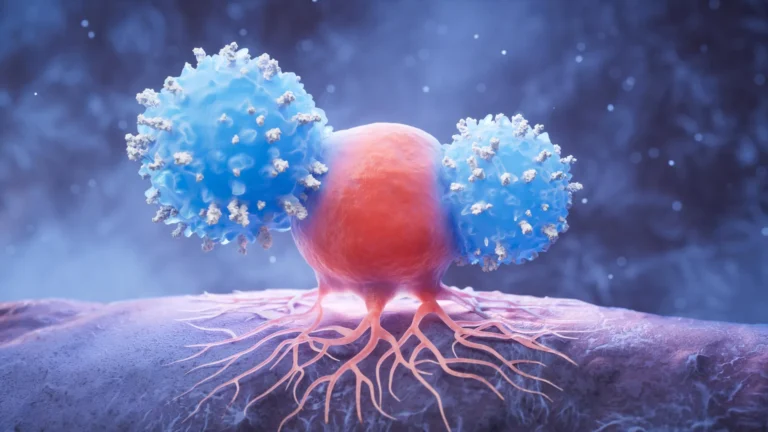
The researchers observed that the combination therapy significantly boosted the production of type I interferons. These signaling molecules serve as a biological "alarm system," alerting the immune system to the presence of abnormal cells. By stimulating this pathway, the researchers effectively turned "cold" tumors—those that evade immune detection—into "hot" tumors that are more easily recognized and destroyed by the patient’s own immune defenses.
Current Clinical Testing
Following the successful preclinical data, the transition to human trials was expedited due to telmisartan’s long-established safety profile. Two clinical trials are currently active:
- Prostate Cancer: The first trial is evaluating the combination of telmisartan and olaparib in men with metastatic, castration-resistant prostate cancer. Preliminary reports are highly promising, with the first participant showing an "exceptional response" to the regimen.
- Ovarian Cancer: A second trial, recently launched, is currently enrolling patients with platinum-resistant ovarian cancer, a group that traditionally has few remaining therapeutic avenues.
Supporting Data: Why Telmisartan is Unique
A critical aspect of the Dartmouth study was the comparative analysis of different blood pressure medications. Because telmisartan belongs to the ARB family, researchers tested whether other drugs in the same class could achieve similar results. The findings were definitive: the cancer-enhancing effects of telmisartan were unique to the drug itself and not a universal trait of all ARBs.
Furthermore, the study identified a secondary mechanism of action: the reduction of PD-L1 levels. PD-L1 is a protein often expressed by cancer cells to "cloak" themselves from T-cells, effectively putting the brakes on the immune system. By lowering PD-L1 levels, telmisartan essentially removes this cloak, allowing the immune system to launch a more effective attack.
Dr. Curiel emphasizes that this is not a one-off phenomenon. "We showed the improved efficacy with PARP inhibitors in this study, but we also have good data showing that telmisartan improves the efficacy of distinct chemotherapy classes and immunotherapies in many other cancer types through related mechanisms," he noted.
Official Responses and Clinical Implications
The implications of this study are profound, particularly regarding the cost and accessibility of cancer care. Because telmisartan is an inexpensive, orally administered drug with a well-documented safety record, its integration into oncology protocols could be significantly more seamless and cost-effective than developing entirely new molecular entities.
Perspectives from the Research Lead
Dr. Curiel’s outlook remains cautiously optimistic, grounded in the reality of clinical data. "This study shows that a common, safe, tolerable, convenient, and inexpensive drug may significantly improve how well an important class of cancer therapies works," he stated. His team’s goal is clear: to determine if this combination approach can help a broader demographic of patients benefit from PARP inhibitors and, more importantly, overcome the persistent issue of drug resistance.
The Role of Institutional Support
The rapid translation of this research from a lab hypothesis to clinical trials was made possible through dedicated funding. Support from the Guyre fund and the Gmelich fund at the Dartmouth Cancer Center provided the essential resources to complete the complex preclinical work and initiate the early-phase clinical trials. Such funding models are increasingly critical in the medical field, allowing researchers to explore "off-label" drug repurposing that might not attract the immediate attention of large pharmaceutical commercial interests.
Future Outlook: A New Paradigm for Oncology
As the medical community looks toward the future, the Dartmouth Cancer Center findings serve as a powerful reminder of the potential hidden in our existing pharmacopeia. By viewing common medications through the lens of oncology, researchers may be able to bridge the gap between treatment failure and clinical success.
If the ongoing clinical trials continue to yield positive results, the standard of care for patients with metastatic prostate or ovarian cancer could shift significantly. Future iterations of this research may investigate whether telmisartan can be used in combination with other classes of immunotherapy, potentially creating a "cocktail" approach that maximizes the immune system’s natural ability to eradicate malignant growths.
For now, the focus remains on the patients currently enrolled in the trials. While it is premature to declare this a universal cure, the combination of telmisartan and olaparib represents a sophisticated, evidence-based approach to precision medicine. It demonstrates that the key to fighting complex diseases may not always lie in inventing a new, high-cost molecule, but in understanding how to better utilize the tools we already have in our medicine cabinets.
The study serves as a beacon for researchers worldwide, suggesting that the intersection of hypertension management and cancer immunology may yield some of the most significant medical breakthroughs of the coming decade. As data from the current trials continue to accrue, the oncology community remains hopeful that this simple, accessible intervention will provide a much-needed lifeline for patients facing the most challenging cancer diagnoses.