By Diane Westwater
In an era increasingly defined by rapid technological advancement and the chronic stress of modern living, the ancient Ayurvedic philosophy of achieving harmony between mind, body, and consciousness has gained renewed relevance. Ayurveda, a medical system that originated in the Indian subcontinent thousands of years ago, posits that health is not merely the absence of disease, but a state of dynamic equilibrium. When this equilibrium is disrupted, the resulting psychosomatic manifestations demand a nuanced approach to healing—one that distinguishes between gentle pacification and profound purification.
The Philosophical Foundation of Ayurvedic Healing
Ayurveda operates on the fundamental principle that health is a delicate balance of three primary biological forces, or doshas: Vata, Pitta, and Kapha. When these forces fall out of alignment, the body begins to manifest distress. Practitioners must first determine the appropriate remedial trajectory: Shamanam (pacification) or Shodanam (purification).
Shamanam is the initial phase of treatment, typically indicated for individuals whose constitution is frail or depleted. In this state, the objective is to nurture the body, alleviate the root causes of distress, and systematically rebuild strength. Once the patient has achieved a baseline of vitality—or in cases where the body is sufficiently robust—the focus shifts to Shodanam. This is the process of systemic purification, designed to root out deep-seated toxins that have accumulated within the body’s tissues over time.
Central to the Shodanam process is Panchakarma, a rigorous five-fold detoxification protocol. The term derives from the Sanskrit pancha (five) and karma (action). These five distinct therapeutic actions are designed to reset the biological clock and restore the body’s innate self-healing capabilities.
Understanding the Winter Season and Kapha Dosha
To understand the specific therapeutic needs of the current season, one must look at the characteristics of the Kapha dosha. Winter is widely regarded in Ayurveda as the "Kapha season." Its primary attributes—cold, heavy, dense, slow, and cloudy—mirror the physiological state many people experience during the colder months, characterized by lethargy, sinus congestion, and a sluggish metabolism.
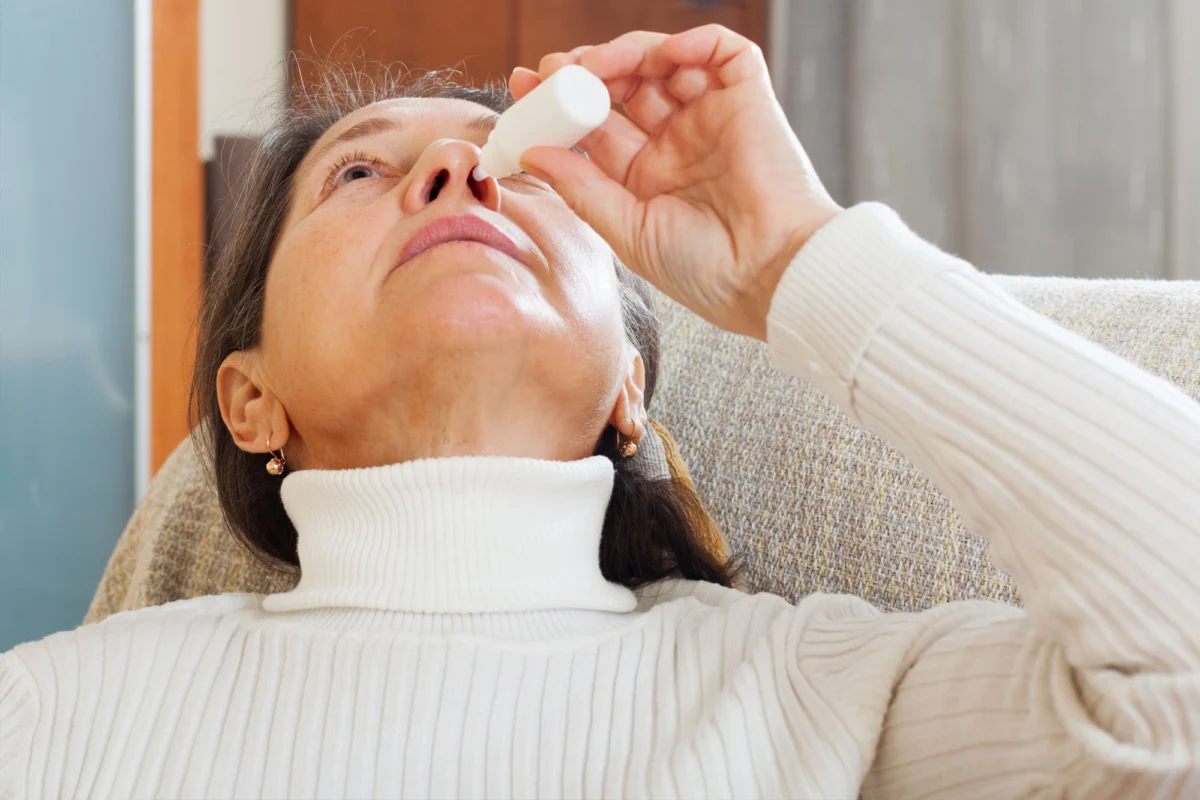
To counter these heavy, stagnant qualities, Ayurveda suggests the application of opposing energies: heat, dryness, and expansion. It is within this seasonal context that Nasya—the nasal administration of therapeutic substances—becomes an indispensable tool for winter health.
The Anatomy of Nasya: The Doorway to Consciousness
In Ayurvedic tradition, the nose is considered the primary gateway to the brain and the center of consciousness. Because the nasal passages provide a direct route to the Majja Dhatu (the nervous system), substances administered through the nose bypass the traditional digestive system, allowing for rapid absorption and immediate impact on the mind.
The Mechanism of Action
When medicinal substances are inhaled or dropped into the nasal cavity, they interact with the Nadis, the "rivers of life" that transport energy throughout the body. The physiological mechanism is sophisticated: upon inhalation, air currents travel toward the brain via the cribriform plate. This process exerts pressure on the meninges—the protective membranes covering the brain and spinal cord—and facilitates a rhythmic movement of the diaphragm. This "pumping" action stimulates the circulation of cerebrospinal fluid (CSF), while simultaneously increasing arterial and venous blood flow. By regulating the breathing pattern, Nasya not only clears the sinuses but also induces a state of heightened clarity and mental sharpness.
Winter Nasya Recipes: Practical Applications
As we navigate the depth of winter, incorporating specific herbal preparations into a daily routine can prevent the stagnation associated with the season. The following remedies utilize the heating and pungent qualities of Ayurvedic staples to clear the srotas (channels) and revitalize prana (the life force).
1. Vacha (Calamus Root) Therapy
Vacha root powder is a cornerstone of winter wellness due to its heating, pungent, and bitter energetics. It is particularly effective for conditions requiring Virechana (purging) to clear blockages in the channels.
- Benefits: Vacha is considered saatvic (pure) in nature. It provides essential nourishment to the mind, clears mental fog, and promotes a sense of alertness. By stimulating a sneeze, the therapy helps to balance prana and udana (the upward-moving energy), effectively opening the brain centers.
- Administration: A small pinch of fine-ground calamus root powder is gently inhaled into each nostril. While the resulting sneeze may feel intense, it is a sign that the channels are opening and toxins are being released.
2. The Ginger-Jaggery Infusion
For those seeking relief from acute sinus congestion and tension-related headaches, a ginger-jaggery nasya provides a potent, warming intervention.
- Preparation:
- Grate one teaspoon of fresh ginger and one teaspoon of high-quality jaggery.
- Combine with 1/3 cup of warm, filtered water.
- Strain the mixture through fine cheesecloth, ensuring all solid fibers are removed.
- Application: Administer 2–3 drops of the strained liquid into each nostril. Users may experience an immediate, sharp burning sensation followed by a flush in the eyes and nose. This is followed by a distinct "afterglow" of exhilaration and relief.
- Safety Note: Always ensure the solution is freshly prepared for every application to prevent bacterial contamination.
Implications for Modern Integrative Health
The integration of ancient Nasya practices into contemporary health routines carries significant implications for preventative medicine. As global populations face rising levels of environmental pollutants and seasonal respiratory challenges, the ability to support the body’s innate detoxification systems becomes paramount.
Supporting Data and Observations
While Western medicine often focuses on the treatment of acute symptoms, the Ayurvedic approach encourages the maintenance of "channel health." Chronic obstruction of the srotas is viewed in Ayurveda as the precursor to almost all physical illness. By keeping these channels clear, the body remains efficient at processing nutrients and eliminating waste. Preliminary observations suggest that regular nasal cleansing can assist in regulating the autonomic nervous system, potentially reducing the frequency of tension headaches and improving cognitive focus.
Expert Guidance and Precautions
It is critical to note that while these practices are ancient and time-tested, they are not universal "cures." Ayurvedic practitioners emphasize the importance of individual constitution (prakriti). A substance that brings balance to a Kapha-dominant individual may be too drying or irritating for someone with a Vata-dominant constitution.
Professional Recommendation: Readers are strongly encouraged to consult with a certified Ayurvedic practitioner or a qualified medical professional before initiating any new purification regimen. This is especially vital for individuals with pre-existing nasal conditions, structural abnormalities of the septum, or those currently under medical treatment for chronic respiratory issues.
Conclusion: The Path Toward Clarity
The beauty of the Ayurvedic system lies in its ability to empower the individual to take responsibility for their own vitality. By understanding the rhythms of the seasons—specifically the heavy, stagnant nature of winter—and utilizing the sophisticated tools of Panchakarma and Nasya, we can navigate the colder months with increased resilience.
Whether through the subtle, mind-nourishing qualities of Vacha root or the invigorating, clearing properties of a ginger-jaggery infusion, the goal remains the same: to open the doorways of the mind, revitalize our life force, and ensure that our internal rivers of life continue to flow with clarity and purpose. In a world of constant noise and seasonal sluggishness, these ancient practices offer a quiet, profound path to reclaiming our internal equilibrium.