





By Diane Westwater
In the fast-paced landscape of modern healthcare, where symptoms are often treated in isolation, the ancient medical system of Ayurveda offers a radically different perspective. Ayurveda, which translates to the “science of life,” operates on the foundational principle that health is not merely the absence of disease, but the harmonious alignment of mind, body, and consciousness. When this equilibrium is disrupted—manifesting as psychosomatic disorders—Ayurveda dictates a precise, systematic approach to restoration.
Central to this restorative process is the determination of the appropriate therapeutic path: Shamanam (pacification) or Shodanam (cleansing). As winter descends, bringing with it the heavy, dense, and cold qualities of the Kapha dosha, the body often requires specific interventions to prevent seasonal stagnation. Among the most potent of these tools is Nasya, the nasal administration of therapeutic substances, a practice that bridges the gap between physical purification and mental clarity.
The Philosophy of Purification: Shamanam vs. Shodanam
To understand the necessity of seasonal cleansing, one must first grasp the Ayurvedic strategy for healing. When a patient presents with weakness or depletion, the primary objective is Shamanam. This pacification process is designed to remove the root cause of distress while simultaneously building the body’s internal reserves. It is a nurturing approach, akin to tending a garden that has suffered from drought.
Only when the individual has regained sufficient strength—or when the toxic burden is significant enough to warrant immediate removal—does the practitioner turn to Shodanam, or purification. Shodanam is the cornerstone of Panchakarma, the five-fold detoxification process that removes deep-seated metabolic waste (ama) from the tissues. By systematically purging these toxins, the body is restored to its natural state of efficiency and vitality.
Nasya: The Gateway to the Brain
The nose is often described in Ayurvedic texts as the Nasa hi shiraso dwaram—the gateway to the brain and the seat of consciousness. This is not merely a poetic sentiment; it is a physiological reality. Substances inhaled or administered through the nasal passages interact directly with the Majja Dhatu (nervous tissue).
The Physiology of Inhalation
When a medicinal substance is administered via Nasya, its effects are not confined to the nasal cavity. The process triggers a sophisticated physiological cascade. Upon inhalation, air currents pass through the cribriform plate, a porous bone structure at the base of the skull. This physical contact stimulates the meninges—the protective membranes surrounding the brain and spinal cord.
Simultaneously, the rhythmic inhalation alters the movement of the diaphragm, creating a "pumping" action. This mechanical stimulation improves the circulation of cerebrospinal fluid and enhances both venous and arterial blood flow to the cranial region. Through this mechanism, Nasya acts as a catalyst for purifying the Nadis, or the energetic "rivers of life," effectively recalibrating the body’s respiratory patterns and clearing cognitive fog.
Winter Dynamics: Navigating the Kapha Season
Ayurvedic medicine categorizes the year into seasons defined by the dominance of specific doshas. Winter is the domain of Kapha—a dosha defined by its cold, heavy, dense, slow, and cloudy attributes. When these qualities accumulate in the body, they manifest as lethargy, mucus congestion, weight gain, and a dulling of the senses.
To counter the heavy, "wet" energy of winter, Ayurveda prescribes heating, drying, and expansive substances. Nasya serves as a primary vehicle for these therapies, providing a direct route to counteract the sluggishness that characterizes the colder months.
Clinical Applications: Recipes for Winter Clarity
For those seeking to integrate Ayurvedic wisdom into their winter wellness routine, specific Nasya preparations are highly recommended. However, these are potent therapeutic interventions, and it is imperative that individuals consult with a qualified health professional before attempting these cleanses, particularly if there are underlying chronic conditions.
Vacha Root (Calamus): The Cognitive Stimulant
Vacha root powder is highly esteemed in Ayurveda for its pungent, bitter, and heating energetics—the perfect antidote to Kapha-induced stagnation. Vacha is used to clear the srotas (channels) of the head, facilitating the purging of toxins and the revitalization of Prana (life force).
- Application: A small pinch of fine-grade Vacha root powder is inhaled into each nostril.
- The Reaction: It is common for the inhalation to trigger sneezing. In Ayurvedic practice, this is a welcomed response; it is viewed as a natural mechanism to balance Prana and Udana (the upward-moving energy) while physically clearing the sinus passages.
- Benefits: Beyond sinus clearance, Vacha is considered sattvic (pure), providing a nourishing influence on the mind and heightening perceptual clarity.
The Ginger-Jaggery Infusion
For those experiencing acute sinus congestion or tension-related headaches, the ginger-jaggery Nasya provides an immediate, albeit intense, remedy.
Preparation:
- Grate one teaspoon of fresh ginger and one teaspoon of organic jaggery.
- Combine with 1/3 cup of warm, filtered water.
- Strain the mixture through cheesecloth, ensuring all solid fibers are removed.
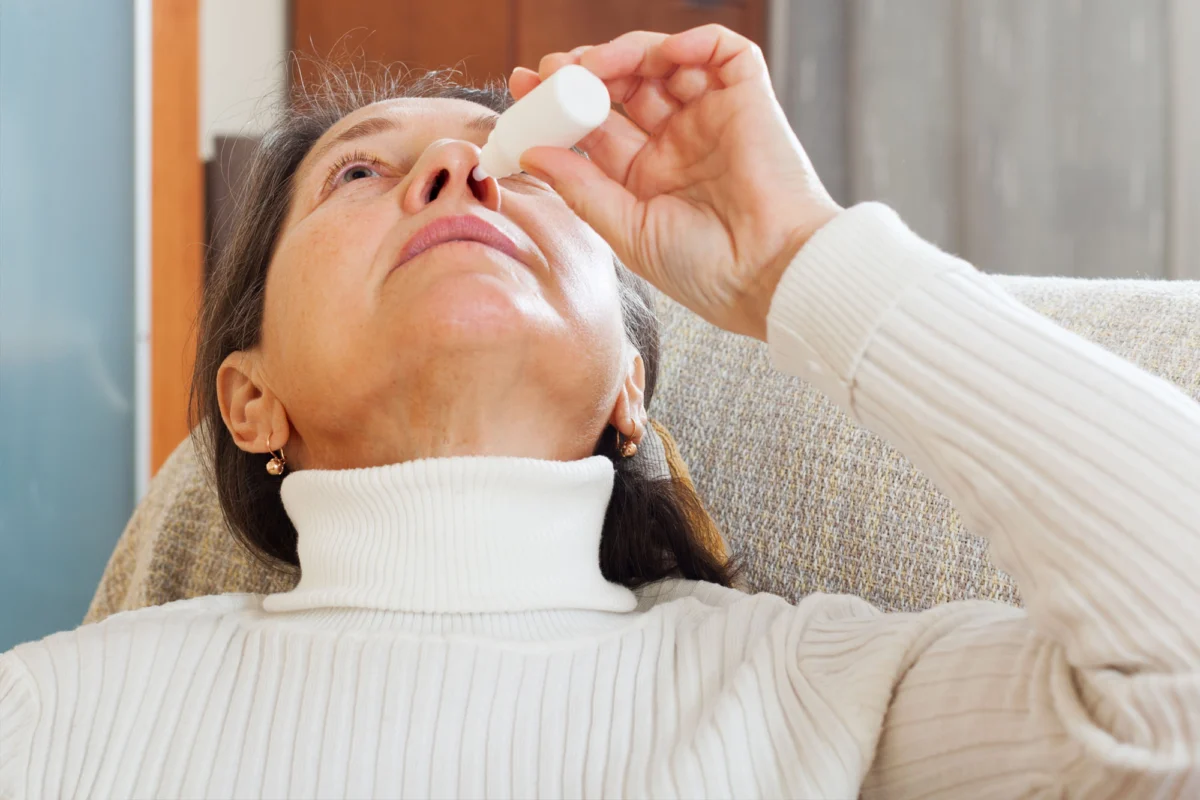
- Use a dropper to administer 2–3 drops into each nostril.
The Experience:
Upon administration, the user may feel an immediate burning sensation, often accompanied by a temporary flushing of the eyes and nose. This is followed by an exhilarating "after-glow"—a feeling of profound lightness and respiratory freedom. It is essential that this mixture be prepared fresh for every application to maintain purity and potency.
Implications for Modern Holistic Health
The resurgence of interest in Nasya and other Panchakarma therapies reflects a growing global shift toward integrative health. As modern science begins to map the intricacies of the gut-brain axis and the lymphatic system of the brain (the glymphatic system), the ancient observations of Ayurvedic scholars appear increasingly prescient.
The Scientific Perspective
Modern research into the administration of drugs through the nasal route (intranasal delivery) has confirmed what Ayurveda has claimed for millennia: the nasal mucosa is a highly permeable gateway that allows for the rapid systemic uptake of substances, bypassing the digestive system and the blood-brain barrier. While the Ayurvedic approach focuses on energetic balance and the removal of ama, the biological mechanism of nasal absorption is a well-documented path in modern pharmacology.
Precautions and Ethical Considerations
Despite the benefits, the practice of Nasya requires discernment. Because the nasal cavity is in such close proximity to the brain, the quality of materials used—herbs, oils, and waters—must be of the highest purity. Furthermore, the practice is contraindicated for those with certain structural abnormalities of the nose, active infections, or those currently pregnant.
The emphasis on professional guidance is not merely a formality; it is an essential component of Ayurvedic ethics. A practitioner helps the individual identify their unique Prakriti (constitution) and Vikriti (current imbalance), ensuring that the treatment chosen is appropriate for their specific state of health.
Conclusion: The Path Forward
Winter, while challenging, provides a unique opportunity for internal reflection and purification. By working with the rhythms of nature rather than against them, we can utilize the cold, quiet energy of the season to clear the channels of the mind and body.
Nasya stands as a testament to the sophistication of ancient medicine—a simple yet profound practice that acknowledges the interconnectedness of our biological and energetic systems. Whether through the heating properties of Vacha or the clearing effects of ginger, the goal remains consistent: to maintain the balance of mind, body, and consciousness, ensuring that we move through the winter months not just surviving, but thriving with clarity and renewed vitality.
As we refine our understanding of these ancient practices, we move closer to a truly holistic model of health—one that honors the wisdom of the past while embracing the rigorous inquiry of the future. By maintaining our internal rivers, we ensure the steady flow of life force, protecting our well-being against the fluctuations of the changing seasons.