





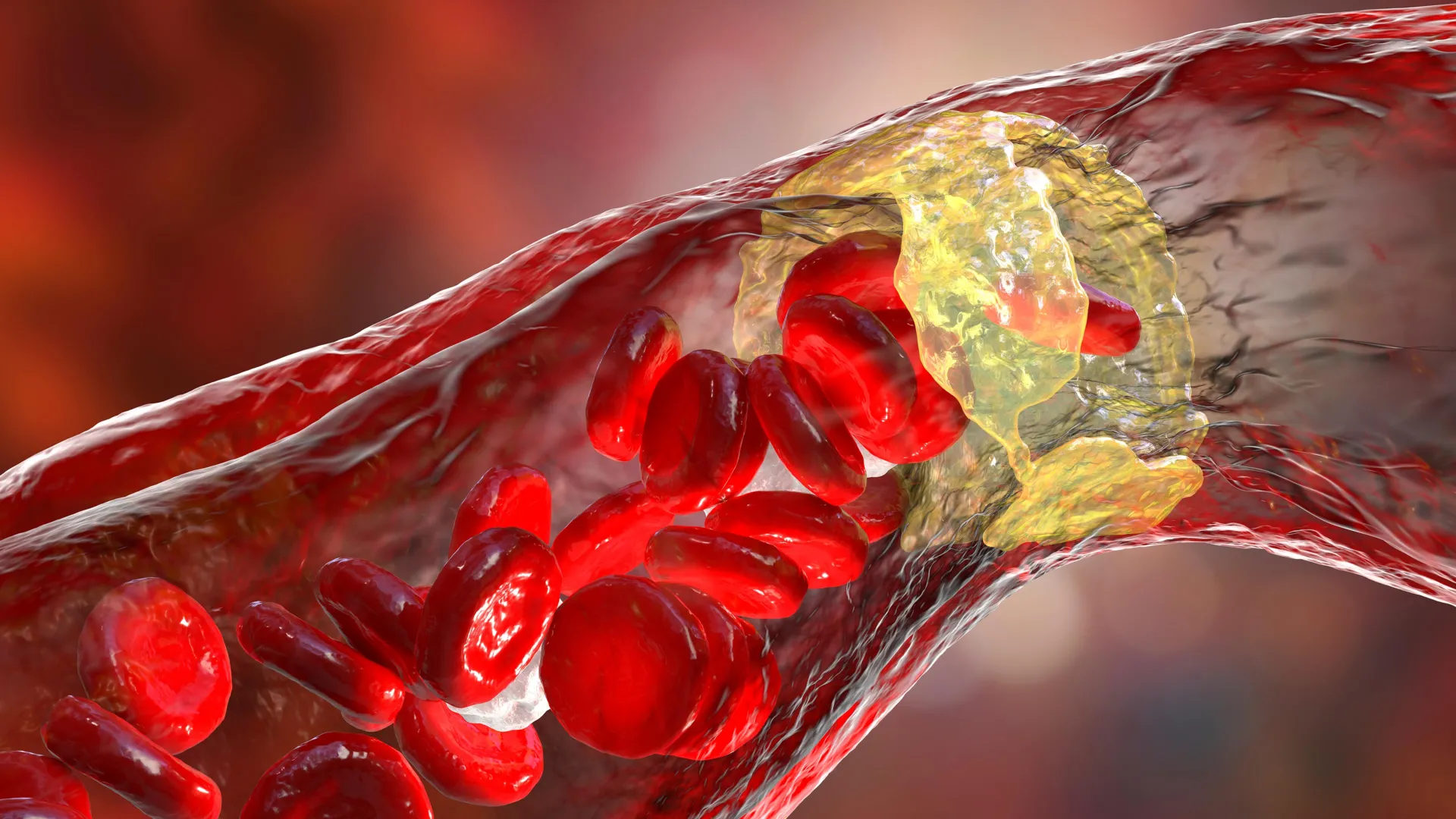
In a major shift that could redefine the clinical management of cardiovascular health, researchers from Mass General Brigham have unveiled findings that challenge the long-standing "wait-and-see" approach to heart disease prevention. A subgroup analysis of the VESALIUS-CV trial, presented at the American College of Cardiology’s Annual Scientific Session & Expo and simultaneously published in JAMA, suggests that the PCSK9 inhibitor evolocumab significantly reduces the risk of initial major cardiovascular events in high-risk patients with diabetes who have not yet developed clinical atherosclerosis.
The implications of this study are profound, suggesting that for a specific, high-risk population, the window for aggressive intervention should be opened years before the first plaque rupture occurs.
Main Facts: A New Frontier in Preventive Cardiology
For over a decade, clinical guidelines have generally reserved intensive lipid-lowering therapies—such as PCSK9 inhibitors—for patients who have already experienced a cardiovascular event or have established, advanced atherosclerosis. The new data from Mass General Brigham provides a compelling argument for earlier, more aggressive treatment.
The study focused on 3,655 patients identified as having "high-risk diabetes." This cohort included individuals who had lived with diabetes for at least a decade, those requiring daily insulin therapy, or patients who had already developed evidence of diabetes-related microvascular damage. While these patients were at elevated risk, they did not yet show evidence of significant plaque buildup in their arteries.
By administering evolocumab—a monoclonal antibody that inhibits the protein PCSK9 to dramatically lower low-density lipoprotein cholesterol (LDL-C)—alongside standard statin therapy, researchers observed a 31% reduction in the risk of a first major cardiovascular event. These events were defined as a composite of coronary heart disease death, heart attack, or ischemic stroke.
Chronology of the VESALIUS-CV Subgroup Analysis
The trajectory of this research reflects the evolving understanding of lipid metabolism and disease progression.
- Initial Enrollment and Design: The parent VESALIUS-CV trial was designed to test the efficacy of evolocumab in a broader population of high-risk patients without established cardiovascular disease. The trial was funded by Amgen Inc., the manufacturer of evolocumab.
- Defining the Subgroup: Investigators isolated the specific cohort of 3,655 patients who met the criteria for high-risk diabetes. This cohort was selected specifically because diabetes is a powerful independent risk factor for vascular damage, even in the absence of traditional atherosclerosis.
- The Treatment Phase: Over a period of 48 weeks, participants were randomized to receive either subcutaneous injections of evolocumab every two weeks or a placebo. Crucially, all patients continued to receive standard background lipid-lowering therapy, such as statins and ezetimibe, to ensure the trial tested the incremental benefit of the drug.
- Data Collection and Follow-up: The study tracked participants for a median follow-up period of nearly five years, monitoring for the occurrence of cardiovascular death, myocardial infarction, or stroke.
- Presentation and Publication: The finalized results were unveiled at the American College of Cardiology’s Annual Scientific Session & Expo, providing the medical community with a comprehensive look at how early biological intervention can alter the course of disease before it becomes symptomatic.
Supporting Data: The Power of LDL-C Reduction
The efficacy of the treatment was measured primarily through the drastic shift in the participants’ lipid profiles and the subsequent impact on clinical outcomes.
The Cholesterol Gap
At the 48-week mark, the differences between the treatment and placebo groups were stark. Patients receiving evolocumab saw their median LDL-C levels drop to 52 mg/dL, compared to 111 mg/dL in the placebo group. This represents a reduction of approximately 51%, confirming the potency of PCSK9 inhibition even in patients who are already adhering to standard statin regimens.
Clinical Outcomes
The primary endpoint—the time to the first occurrence of a major cardiovascular event—showed a clear divergence between the two groups. At the conclusion of the five-year follow-up period:
- Evolocumab Group: 5% of patients experienced a major cardiovascular event.
- Placebo Group: 7.1% of patients experienced a major cardiovascular event.
This translates to a 31% relative risk reduction. These findings indicate that lowering "bad cholesterol" far below the levels traditionally targeted by statins alone provides a tangible clinical benefit, effectively "buying time" for patients whose metabolic profile would otherwise predispose them to early-stage vascular damage.
Safety and Tolerability
One of the key concerns with any intensive pharmacological regimen is the potential for adverse side effects. In this trial, however, the safety profile was reassuring. Serious side effects were reported at similar rates in both the treatment and placebo arms, suggesting that adding evolocumab to a standard regimen is not only effective but also generally well-tolerated by high-risk diabetic patients.
Official Responses and Clinical Perspectives
Dr. Nicholas A. Marston, a cardiologist with the Mass General Brigham Heart and Vascular Institute and the study’s corresponding author, emphasized the shift in paradigm. "For over a decade, intensive cholesterol-lowering has been reserved for patients who already have cardiovascular disease," Dr. Marston noted. "These results demonstrate the benefit of intensive lowering cholesterol earlier and should change how we think about the prevention of heart attacks, strokes, and heart disease in patients without known significant atherosclerosis."
The medical community has responded with cautious optimism. While the data is robust, experts are now discussing how these findings will integrate into future clinical practice guidelines. The current standard of care for patients without atherosclerosis focuses on statins. The move to incorporate PCSK9 inhibitors earlier in the treatment algorithm represents a fundamental change in the "risk-benefit" calculus for physicians and patients alike.
Implications for Future Cardiovascular Care
The implications of this study reach far beyond the diabetes population. While the current trial focused on those with high-risk diabetes, researchers are already looking ahead to the broader potential of this approach.
Expanding the Scope
The study authors explicitly noted that additional research is required to determine whether these benefits can be extrapolated to other high-risk groups who have not yet developed atherosclerosis. This could include patients with chronic kidney disease, those with strong genetic predispositions to hyperlipidemia, or individuals with a high polygenic risk score for coronary artery disease.
Re-evaluating "High Risk"
The VESALIUS-CV subgroup analysis challenges the definition of "high risk." Traditionally, physicians waited for the disease to manifest (via imaging or clinical events) before initiating the most potent therapies. This study suggests that if the biological precursor (high LDL-C) is present in a high-risk metabolic environment (diabetes), the disease process may be active long before it is visible on a scan.
Future Research Directions
The next phase of investigation will likely involve longer-term studies to see if the cardiovascular benefits continue to accrue over decades rather than years. Furthermore, health economists will be tasked with analyzing the cost-effectiveness of using PCSK9 inhibitors in primary prevention. Given the high costs of managing heart attacks and strokes—including hospitalizations, procedures, and long-term disability—the upfront cost of intensive lipid-lowering drugs may prove to be a sound economic investment for healthcare systems.
A New Chapter in Preventive Cardiology
As the global medical community continues to grapple with heart disease as the leading cause of death worldwide, the findings from Mass General Brigham provide a hopeful, evidence-based pathway forward. By targeting LDL-C with greater intensity and at an earlier stage in the disease continuum, physicians may soon be able to prevent the very events that, for decades, they have only been able to treat after the fact.
While the current study focuses on a specific subset of diabetic patients, the underlying principle—that aggressive management of cholesterol in high-risk individuals can halt disease progression—marks a significant milestone in cardiovascular medicine. As further research unfolds, the "standard of care" may soon look very different, characterized by proactive, intensive therapy designed to keep the heart and arteries healthy, rather than merely repairing them after damage has occurred.
Disclosures and Acknowledgments:
The study was funded by Amgen Inc. Authors included representatives from Mass General Brigham and international collaborators. Various authors reported personal fees, grant support, or employment relationships with Amgen and other pharmaceutical entities. Detailed disclosures are available in the full publication in JAMA.