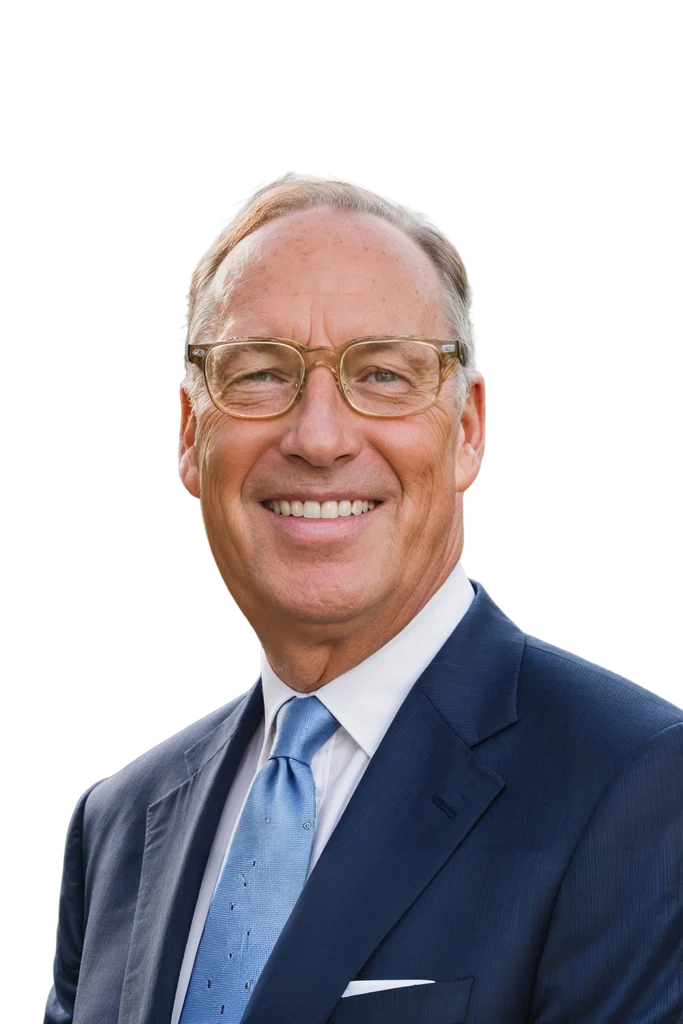
WASHINGTON — In a move that signals a profound transformation in how the U.S. government approaches pharmaceutical oversight, federal health officials have overhauled the composition of an upcoming advisory committee tasked with evaluating the safety and efficacy of popular peptide injections. For years, these panels—which function as the gatekeepers for medical safety standards—were defined by a consensus of academic researchers and public health experts from elite institutions. Next month, however, the FDA’s Pharmacy Compounding Advisory Committee will feature a new, contentious roster: medical professionals and entrepreneurs with significant financial stakes in the very industry they are being asked to regulate.
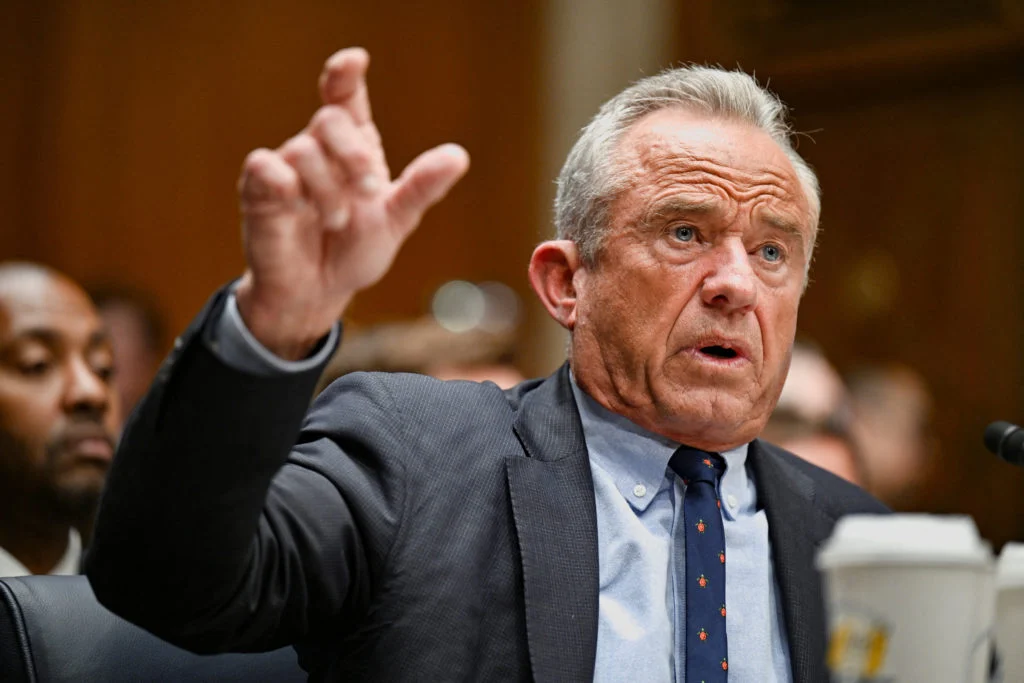
The FDA’s decision to appoint practitioners who prescribe, produce, and promote these substances comes as Health Secretary Robert F. Kennedy Jr. spearheads the "Make America Healthy Again" (MAHA) movement. This initiative aims to challenge traditional regulatory norms, often questioning the rigor of established scientific consensus. As the agency prepares for a two-day meeting to review seven specific peptides—including compounds like BPC-157 and TB-500—the public is witnessing a collision between the burgeoning "wellness" economy and the long-standing mandate of federal safety oversight.
A Growing Industry in the Crosshairs
Peptides, essentially short chains of amino acids, have surged in popularity, becoming a staple in the wellness regimens of professional athletes, social media influencers, and celebrities. Marketed as miracle solutions for muscle growth, injury recovery, and anti-aging, these substances occupy a murky legal space. Often sold online under the caveat of "for research use only" to bypass FDA regulation, they are frequently produced by compounding pharmacies—facilities that mix custom medications that lack the clinical trial data required for standard FDA approval.
The FDA has repeatedly sounded alarms regarding the safety of these substances. Because they have not been subjected to the rigorous, multi-phase testing required of conventional pharmaceuticals, their long-term effects remain largely unknown. International anti-doping authorities classify many of these substances as performance-enhancing drugs, yet they remain widely accessible through wellness clinics that operate in a regulatory gray area.
Chronology: From Academic Oversight to Industry Influence
To understand the gravity of the upcoming review, one must look at the recent trajectory of the FDA’s advisory process:
- The Status Quo (Prior to 2024): FDA panels were historically composed of researchers from institutions such as Harvard, Duke, and Johns Hopkins. These experts consistently recommended against the approval of various peptide ingredients, citing a lack of clinical evidence and potential health risks.
- The Policy Shift (2024–2025): Under the influence of the MAHA movement, the agency began to shift its focus. Former FDA Commissioner Marty Makary, who resigned in May 2025, criticized the panel process as being "expensive" and "time-consuming," leading to a sharp decline in the number of formal advisory meetings.
- The "Ad Hoc" Pivot: In place of large-scale, multidisciplinary panels, the agency moved toward smaller, ad-hoc meetings with handpicked experts, focusing on topics championed by Kennedy, such as the safety of antidepressants and talc powder.
- The Current Crisis (July 2025): The announcement of the new panel roster marks the first time that individuals with direct, current financial ties to the peptide industry have been appointed to adjudicate the very products they sell to their own patients.
Key Players and Conflicts of Interest
The new panel includes more than half a dozen members whose professional lives are deeply intertwined with the peptide industry. Their presence raises fundamental questions about the nature of a "conflict of interest" in a post-traditional regulatory environment.
The Practitioner-Promoters
Among the appointees is Dr. Haleem Mohammed, a key figure in the "Gameday Men’s Health" chain. His clinics specialize in a cocktail of therapies—including testosterone, vitamins, and, notably, unapproved peptide injections. The company’s own literature includes an explicit admission: "compounded medications offered through our services are not FDA-approved, and the FDA does not verify their safety."
Joining him is Dr. Gabriel Alizaidy, a prominent social media figure who leverages platforms like TikTok and Instagram to market peptide-based wellness consultations. Charging $500 per session, Alizaidy advises clients on how to procure these compounds. While his website includes a disclaimer stating his services are "educational" and "not medical treatment," his role as an FDA advisor puts him in the position of evaluating the legality of the very substances he promotes to his thousands of followers.
The Political Connection
Perhaps the most notable appointment is Bobby Harshbarger, a Tennessee state senator and a pharmacist at his family’s enterprise, Premiere Pharmacy. The business is heavily involved in the compounding of weight loss and longevity drugs. His mother, Rep. Diana Harshbarger (R-TN), has been a vocal proponent of relaxing FDA restrictions on peptides, having directly lobbied Secretary Kennedy to loosen the agency’s grip on the market.
The family’s history with federal regulation is complex. Last year, President Donald Trump pardoned Robert Harshbarger Jr.—the senator’s father—who had served four years in federal prison for distributing unapproved, adulterated drugs meant for dialysis patients. This deep-seated personal and political history with the pharmacy industry adds a layer of scrutiny to the Senator’s appointment that is unprecedented in recent FDA history.
Official Responses and the "MAHA" Philosophy
The shift in panel composition is not an accident; it is an ideological realignment. Kennedy and his supporters argue that the "establishment" medical community has been captured by "Big Pharma," and that the inclusion of alternative health practitioners is necessary to provide a "balanced" view.
Kennedy, who has openly admitted to being a "big fan of peptides" and has used them personally for injury rehabilitation, has been highly critical of the expert panels that preceded his administration. By replacing traditional academics with those he considers "innovators," Kennedy is attempting to force a paradigm shift within the FDA.
However, critics within the agency and the public health sphere argue that this is not "balance," but rather "regulatory capture." By populating the committee with individuals who derive their income from the sale of peptides, the FDA is effectively inviting the industry to self-regulate.
Implications: The Future of Public Health Safety
The implications of this shift are far-reaching. If the panel votes in July to approve or "grandfather in" the list of peptides under review, it will set a dangerous precedent for the pharmaceutical industry.
- The Erosion of Clinical Standards: If substances like BPC-157 are validated without large-scale, double-blind, placebo-controlled trials, it destroys the incentive for pharmaceutical companies to invest in expensive research. Why pay for trials if a friendly panel can simply approve a product based on anecdotal evidence?
- Public Safety Risks: The FDA’s primary mandate is the protection of the public. If the agency begins to prioritize "wellness trends" over verified clinical safety, the potential for widespread adverse health effects—ranging from hormonal imbalances to unknown long-term toxicity—increases significantly.
- Institutional Credibility: The FDA has long been considered the "gold standard" for global drug safety. By replacing scientific rigor with political and commercial interest, the agency risks losing the trust of the global medical community, which may no longer rely on FDA approval as a signal of product safety.
Conclusion: A Turning Point for the FDA
The upcoming July meeting will serve as a litmus test for the future of U.S. health policy. The tension between the "Make America Healthy Again" movement and the traditional evidence-based model of medicine is coming to a head.
While proponents of the current changes argue that they are cutting through bureaucratic red tape to allow for "health freedom," the reality is a significant dilution of the safeguards that protect patients from unproven, potentially dangerous chemical cocktails. As the panel convenes, the nation will be watching to see if the FDA remains a watchdog for public health, or if it has become an instrument for those who stand to profit from the deregulation of the medical industry. The decision to stack the committee with those who hold a direct financial interest in the outcome is, by any objective metric, a departure from the transparency that has defined the agency’s credibility for decades. The path forward remains uncertain, but one thing is clear: the era of purely academic drug oversight in the United States has, for now, come to an end.