
For many individuals over the age of 50, the emergence of a "muffin top"—the stubborn adipose tissue that gathers around the midsection—can feel like an inevitable consequence of aging. The common impulse is to double down on steady-state cardio, spending hours on treadmills or stationary bikes in a bid to "burn off" the extra weight. However, exercise science suggests that this traditional approach often misses the mark.
While cardiovascular health remains a cornerstone of longevity, relying solely on it can lead to muscle atrophy and metabolic stagnation. To effectively reshape the waistline after 50, the focus must shift toward metabolic efficiency and functional strength. By integrating a concise, high-impact morning routine, you can stimulate muscle preservation and core engagement, providing a more sustainable pathway to body composition changes.
The Science of Midlife Metabolism
The biological reality of turning 50 involves a shift in body composition. Hormonal changes, particularly the decline in estrogen and testosterone, contribute to a decrease in muscle mass—a process known as sarcopenia—and a simultaneous increase in visceral fat storage.
Why Cardio Isn’t Enough
Long-duration cardio has its place for heart health, but it does little to combat the underlying issue of muscle loss. Muscle tissue is metabolically expensive; the more you have, the higher your resting metabolic rate. When you focus exclusively on cardio, you may burn calories in the short term, but you fail to create the "metabolic furnace" that muscle provides. Strength training, conversely, signals the body to maintain its lean mass, ensuring that your body remains adept at burning fuel even while you are at rest.
The Power of Morning Consistency
Morning exercise is a strategic tool for busy professionals and retirees alike. By front-loading your movement, you avoid the "decision fatigue" that often leads to skipping workouts after a long day. Furthermore, a 15-to-20-minute full-body routine helps regulate circadian rhythms and boosts insulin sensitivity, setting a productive tone for the entire day.
The 5-Move Morning Protocol: A Tactical Approach
The following routine is designed for efficiency and safety. It prioritizes compound movements that recruit multiple muscle groups, forcing the core to stabilize and work harder than it would during isolated abdominal exercises like crunches.
1. The Dumbbell Wood Chop
This movement is superior to traditional side bends because it requires the core to resist rotation and control movement through multiple planes.
- The Benefit: It engages the obliques, shoulders, and glutes, creating a functional, full-body tension.
- Execution: Stand with feet shoulder-width apart, holding a light dumbbell with both hands. Start with the weight near your right hip, then diagonally pull it up and across your body toward your left shoulder. Control the descent.
- Target: Obliques, rectus abdominis, and shoulder stabilizers.
2. The Inchworm Walkout
The inchworm is a dynamic movement that combines a hamstring stretch with a high-plank hold.
- The Benefit: It builds deep trunk stability. By holding a plank position, you force the deep core muscles—the transverse abdominis—to engage to prevent the lower back from sagging.
- Execution: From a standing position, hinge at the hips to touch the floor, then walk your hands forward until you reach a plank position. Hold for two seconds, then walk your hands back to your feet and stand tall.
3. The Dumbbell Lateral Lunge
Most daily movement occurs in a linear fashion (walking or running). Lateral lunges challenge the body in the frontal plane, which is essential for hip health and core stabilization.
- The Benefit: It strengthens the gluteus medius and inner thighs while requiring the core to balance the shifting center of gravity.
- Execution: Step out wide to the side, keeping one leg straight and bending the other knee while pushing your hips back. Keep your chest upright and core braced.
4. The Kettlebell Deadlift to High Pull
This is an explosive compound move that drives heart rate up while working the posterior chain.
- The Benefit: It combines a hinge (deadlift) with an upper-body pull (high pull), ensuring that the entire backside of the body is firing.
- Execution: With a kettlebell between your feet, hinge at the hips to grip the weight. As you stand, drive through your heels and pull the kettlebell upward, keeping your elbow high.
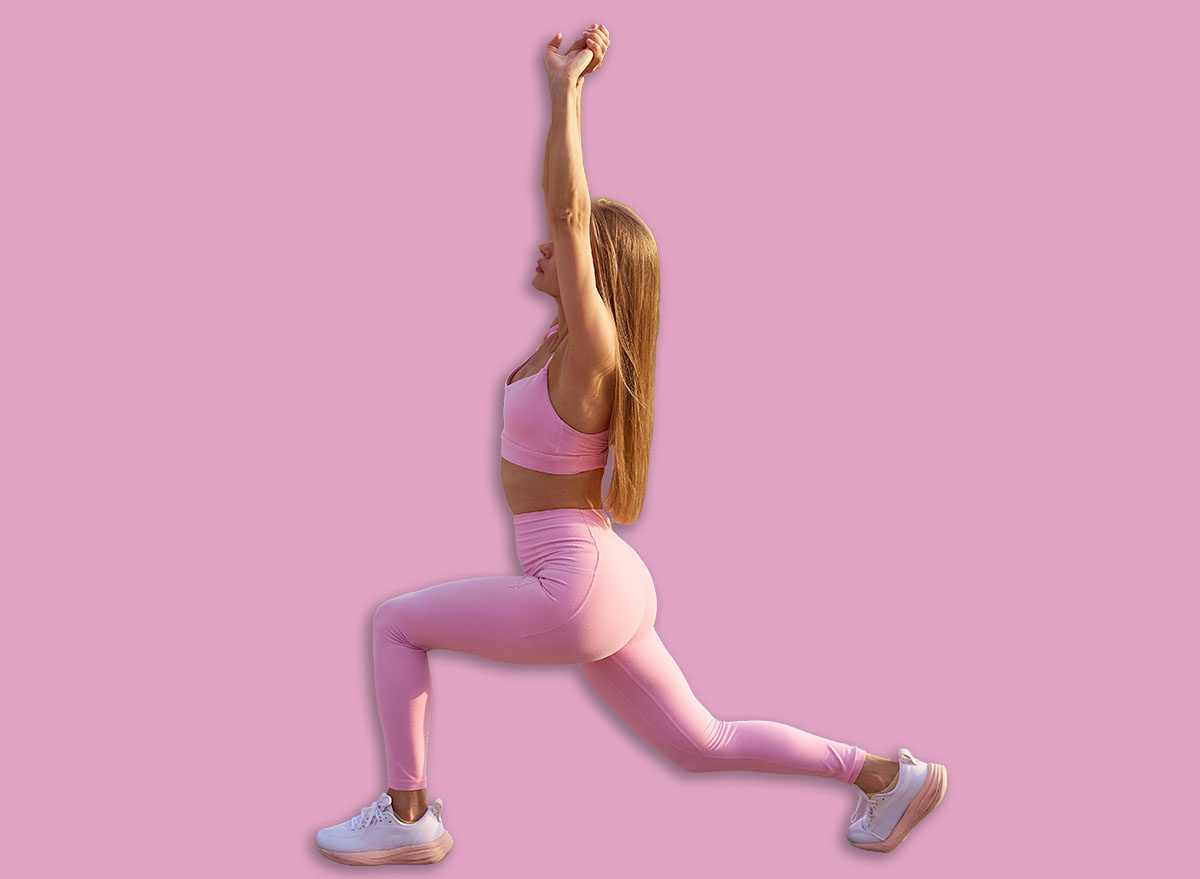
5. Step-Back Lunge with Overhead Reach
This movement forces the core to maintain stability while the arms are elevated, which is a difficult position for the midsection to manage.
- The Benefit: It improves balance and promotes a tall, upright posture, which helps prevent the "slumped" look that can make a midsection appear more prominent.
- Execution: Step back into a reverse lunge. As you lower your knee, reach both arms straight overhead. Return to the starting position with control.
Supporting Data and Physiological Implications
Research published in journals such as the Journal of Strength and Conditioning Research underscores that resistance training is a non-negotiable component for those over 50. Studies have consistently shown that "resistance-first" training increases basal metabolic rate and improves body composition far more effectively than cardio-only protocols.
For the over-50 demographic, the implications are profound:
- Insulin Sensitivity: High-intensity, low-impact movements help the body manage blood glucose more effectively, reducing the likelihood of fat storage around the abdomen.
- Bone Density: Compound movements apply necessary stress to the skeletal system, helping to mitigate age-related bone density loss.
- Posture and Confidence: Strengthening the core and posterior chain creates a "corset" effect, improving posture and allowing the midsection to appear more defined simply through improved alignment.
Lifestyle Integration: Beyond the Workout
The exercise routine is merely one piece of the puzzle. To see visible changes in the "muffin top," the training must be supported by a holistic lifestyle approach.
Nutrition: The Fuel-to-Waste Ratio
You cannot out-train a diet that is high in ultra-processed sugars. After 50, protein becomes the most important macronutrient. Aiming for 20–30 grams of high-quality protein at every meal helps preserve muscle mass and keeps you satiated, preventing unnecessary snacking.
Recovery and Cortisol Management
Chronic stress elevates cortisol, a hormone that is directly linked to the accumulation of visceral fat. If you are pushing yourself through high-intensity workouts but not sleeping, your body may actually hold onto fat. Recovery—including quality sleep, hydration, and mindful stress management—is as essential as the workout itself.
The Psychology of Patience
It is critical to move away from the "quick fix" mentality. Changes in body composition at age 50 and beyond take time. The goal should be "habit stacking"—building the 15-minute morning routine into your daily life until it is as automatic as brushing your teeth. Consistency beats intensity every single time.
Conclusion: A New Standard for Aging
The narrative that a muffin top is an unavoidable part of aging is outdated. While the body does change, it remains highly adaptable. By moving away from the "more cardio is better" myth and adopting a strategy rooted in strength, functional movement, and mindful nutrition, you can regain control over your physique.
Start small. Dedicate your mornings to these five movements, prioritize protein in your diet, and allow your body the recovery time it needs. By investing just 15 minutes a day, you are not just targeting the midsection—you are investing in a more capable, resilient version of yourself for the decades to come.
References
- National Center for Biotechnology Information (PMC8365736): The Role of Resistance Training in Metabolic Health.
- National Center for Biotechnology Information (PMC7492403): Efficacy of Short-Duration Morning Exercise on Daily Energy Expenditure.
- American Council on Exercise: Functional Movement Patterns and Their Role in Midlife Fitness.