











In the landscape of modern weight management, the conversation has been dominated by the rapid emergence of high-efficacy pharmacotherapies, such as GLP-1 receptor agonists, and the enduring role of bariatric surgery. However, a significant question remains: can behavioral interventions focusing on diet quality, rather than simple caloric restriction, compete in the pursuit of long-term health?
New findings from the DELISH trial, published in JAMA Network Open, suggest that while a Mediterranean-style diet may not be a "magic bullet" for significant weight loss, its impact on overall diet quality and long-term health markers is profound. The study provides a nuanced look at how primary care providers might approach obesity management in an era where patients are increasingly seeking rapid results.
The Core Findings: A Comparison of Approaches
The DELISH (Dietary Intervention for Lifestyle and Health) trial was designed to evaluate whether a structured, Mediterranean-style dietary program could outperform a standard behavioral intervention—specifically, a commercial program like WeightWatchers—in primary care patients struggling with obesity.
The results were clear but nuanced: The Mediterranean-style diet group achieved an average weight loss of 3.4% at the 24-month mark, which was statistically indistinguishable from the 3.51% weight loss observed in the control group (P=0.90). In absolute terms, this amounted to approximately 8.7 lbs and 8.8 lbs, respectively. Crucially, both interventions failed to hit the 5% weight-loss threshold—a benchmark often cited by medical professionals as the minimum required to see significant improvements in obesity-related comorbidities like hypertension and type 2 diabetes.
However, the Mediterranean-style diet group emerged as the clear winner in secondary outcomes. Using the Alternative Healthy Eating Index-2010 (AHEI-2010) as a benchmark, the Mediterranean group showed significantly higher diet quality scores compared to the control arm, with a mean difference of 3.62 (95% CI 1.11-6.12, P=0.005).
Chronology of the DELISH Trial
The study, conducted in central North Carolina, enrolled 360 participants from one academic medical center and six community primary care practices. The trial’s timeline was structured to test the sustainability of dietary changes over two years, a timeframe significantly longer than the typical 6-to-12-month studies often seen in nutritional science.
- Baseline Recruitment: Participants were selected with a mean age of 54.7, a median body mass index (BMI) of 35.1, and an average starting weight of 227.5 lbs. The cohort was diverse, with 55.6% being women, and most participants presented with multiple chronic conditions, reflecting the typical patient profile in a primary care setting.
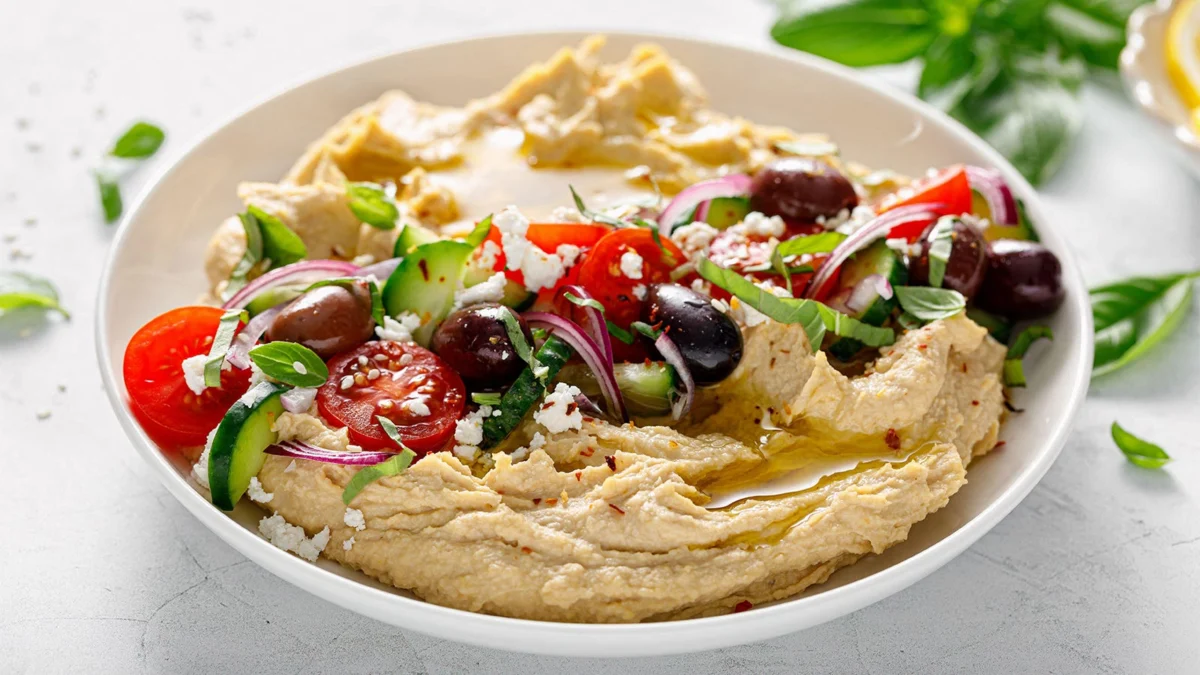
- Intervention Phase: The Mediterranean-style program was delivered by registered dietitians over three distinct phases, emphasizing the integration of high-quality fats (nuts, seeds, fish, and vegetable oils) and the elimination of processed, refined carbohydrates.
- The 24-Month Follow-up: The trial concluded after two years of observation. Despite the lack of disparity in weight loss, the data highlighted a striking difference in participant satisfaction. When asked if they would recommend their assigned program, 94.8% of the Mediterranean group responded affirmatively, compared to 68.3% of the WeightWatchers control group.
Supporting Data and Nutritional Nuances
The physiological outcomes of the DELISH trial offer a deeper understanding of why the Mediterranean diet remains a gold standard for cardiometabolic health, even when weight loss is modest.
Participants in the Mediterranean-style intervention showed a distinct shift in macronutrient profiles. Compared to their baseline and the control group, they reported higher intakes of polyunsaturated and monounsaturated fats and significantly lower intakes of refined sugars and processed carbohydrates.
Understanding Diet Quality vs. Weight Loss
Emily Case, a registered dietitian at Northwell Health, notes that the discrepancy between weight loss and diet quality is a common hurdle in clinical practice. "A person could technically count calories but still choose highly processed, nutrient-poor foods," she explains. The Mediterranean diet, by contrast, forces a structural shift in what is consumed, not just how much.
However, Case warns that "healthy" does not inherently mean "low calorie." She notes, "I have seen patients who, because they have shifted to more quality, feel strongly that they can eat more, and then they don’t lose weight. If weight loss is the goal, overeating healthy food is still possible." This underscores the necessity of portion control, even when the underlying dietary pattern is objectively superior for heart health.
Official Responses and Clinical Implications
Lead investigator Dr. Thomas Keyserling, of the UNC Center for Health Promotion and Disease Prevention, and his team have framed these findings as a necessary evolution in weight-loss paradigms.
"For individuals who wish to lose substantial weight (greater than 10% of body weight), GLP-1 agonist treatment or bariatric surgery are good choices," the authors noted in their conclusion. "For individuals who want to avoid or cannot afford weight loss medications or surgery, or whose goal is to achieve modest weight loss, an intensive behavioral weight loss intervention is a reasonable choice, preferably one that emphasizes diet quality."
The implications for primary care are significant. If the improved diet quality observed in the Mediterranean group can be sustained, the authors suggest it would likely lead to a reduction in obesity-related morbidity—such as cardiovascular disease and metabolic syndrome—independent of the actual scale weight.
Broader Implications: Where Do We Go From Here?
The DELISH trial does not argue against weight loss as a goal, but it does shift the focus toward "health-span" rather than just the number on the scale. As the medical community grapples with the long-term cost and potential side effects of widespread GLP-1 usage, the study suggests that behavioral interventions still hold a vital place in the clinical toolkit.
Limitations of the Study
The researchers were transparent about the study’s limitations. The reliance on self-reported diet quality is a standard, albeit imperfect, method in nutritional research. Furthermore, the trial could not fully control for the concurrent use of SGLT2 inhibitors or other non-study medications that might influence weight loss. Additionally, because the trial was conducted in the Southeastern United States, the team acknowledged that the results might be culturally specific and not entirely generalizable to other global populations.
The Path Forward
The takeaway from the DELISH trial is that diet quality is a pillar of health that should not be discarded in the shadow of pharmaceutical advancements. As the authors concluded, "In the meantime, given the robust association between a healthful dietary pattern and improved health outcomes, consideration should be given to prioritizing a healthful dietary pattern as a key component of behavioral weight loss interventions."
Future research will need to bridge the gap between "healthy eating" and "weight reduction." For now, the Mediterranean diet remains a premier recommendation for patients looking to improve their internal health markers, even if the scale proves stubborn. By emphasizing the consumption of whole grains, non-starchy vegetables, and heart-healthy fats, clinicians can offer patients a sustainable path to better health—one meal at a time.