








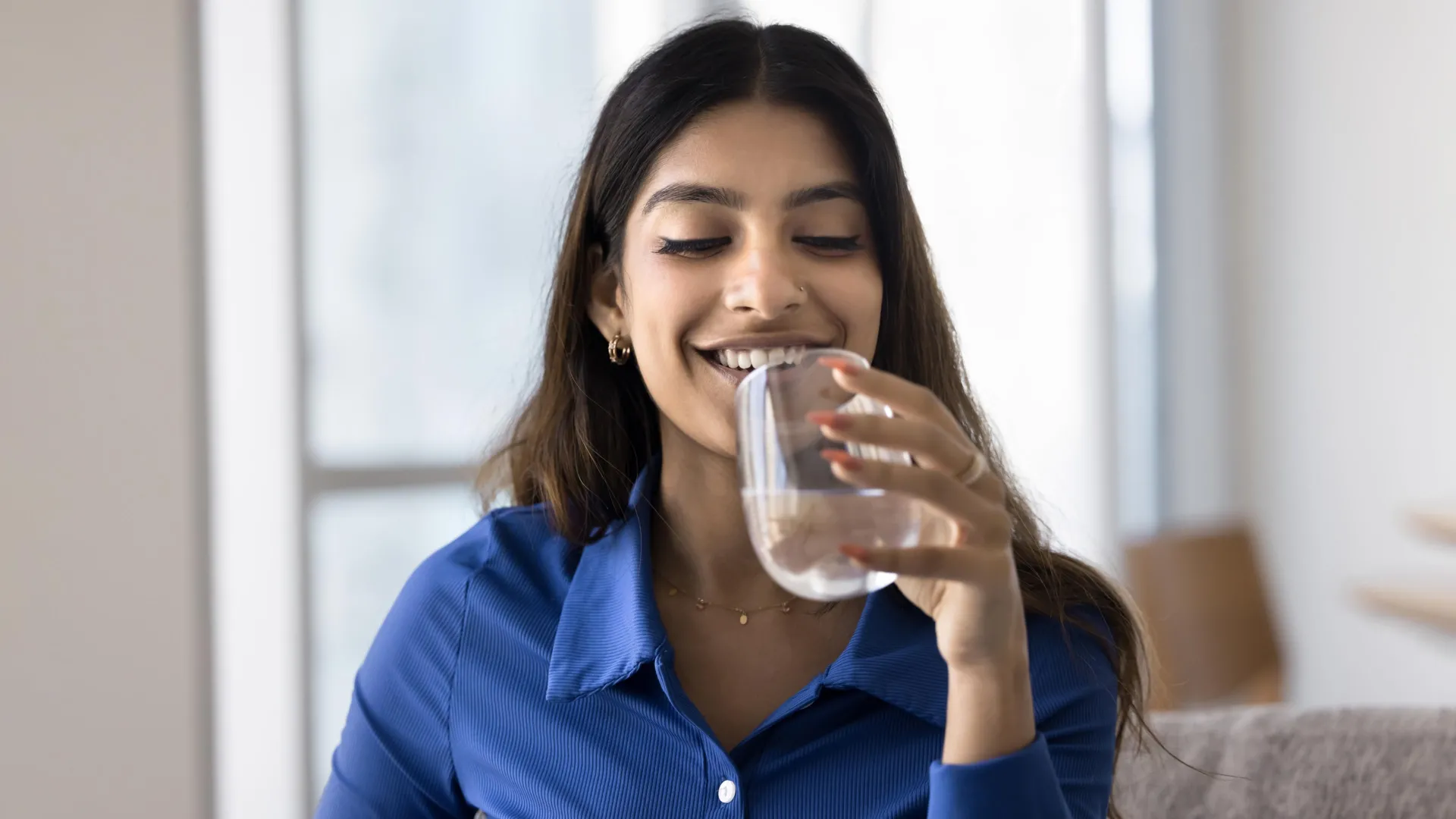
For millions of health-conscious consumers, the transition from sugar-sweetened soda to sparkling water has become a hallmark of a modern, "cleaner" diet. While the switch is widely lauded for eliminating excessive sugar intake, a lingering question has persisted among dental professionals and consumers alike: Does the carbonation in sparkling water pose a similar threat to tooth enamel as the acidic, sugary sodas it replaces?
New, preliminary research presented at NUTRITION 2026, the flagship annual meeting of the American Society for Nutrition, suggests that while sparkling water is not entirely neutral, it serves as a significantly lower-risk alternative to soda. The study, which monitored the real-time salivary pH levels of participants, offers the most granular look yet at how these popular beverages interact with the oral environment.
The Science of Erosion: Why pH Matters
To understand the significance of these findings, one must first understand the vulnerability of human teeth. Tooth enamel—the hard, protective outer layer of the tooth—is susceptible to acid erosion. When the mouth’s pH level drops below approximately 5.5, the minerals that constitute enamel begin to dissolve, a process known as demineralization. Over time, frequent exposure to acidic environments can lead to sensitivity, thinning enamel, and increased susceptibility to cavities.
While it is common knowledge that sugar-sweetened sodas are harmful due to their high sugar content and inherent acidity, the role of carbonated water has been less clear. Carbonation is created by dissolving carbon dioxide in water, forming carbonic acid. Because of this, many dental health advocates have long warned that even "healthy" sparkling waters could be eroding enamel by lowering the oral pH.
A Controlled Investigation into Oral Chemistry
The study, conducted by researchers at Purdue University, sought to move beyond theoretical assumptions by measuring the actual physiological response of the mouth to various beverages. The research team, led by graduate student Wajiha Zulfiqar, recruited 20 healthy adults to participate in a rigorous, controlled experiment.
To ensure the integrity of the data, the study utilized a crossover design. Every participant consumed each of the tested beverages: sugar-sweetened soda, regular unsweetened sparkling water, calcium-fortified sparkling water, and plain water. By having the same individuals drink all options, the researchers were able to control for natural variations in saliva composition, flow rate, and oral bacteria levels that differ from person to person.
Rather than merely testing the pH of the beverages in a laboratory flask, the team measured the salivary pH of the participants directly. This provided a "real-world" view of how the mouth’s natural buffering system—saliva—responded immediately after the consumption of these liquids.
Chronology of the Findings: A 20-Minute Snapshot
The results of the study paint a distinct picture of how the mouth handles different levels of acidity. The researchers tracked pH levels at 2-minute, 5-minute, and 20-minute intervals following consumption.
The Immediate Impact
When participants consumed sugar-sweetened soda, the pH of their saliva dropped significantly and remained suppressed well below the 5.5 danger threshold. This effect was observed at both the 2-minute and 20-minute marks, indicating that soda’s erosive potential is both immediate and sustained.
The Sparkling Water Response
The reaction to unsweetened sparkling water was notably different. Regular sparkling water caused a temporary dip in salivary pH at the 2-minute mark. Interestingly, the calcium-fortified version of the sparkling water—which some manufacturers suggest might be better for dental health—showed a delayed response, with a decrease in pH occurring at the 5-minute mark.
Crucially, in both versions of the sparkling water, the mouth’s natural chemistry proved resilient. By the 20-minute mark, the salivary pH had returned to nearly its baseline level. This suggests that while sparkling water does temporarily introduce acidity, the body is capable of buffering that acidity relatively quickly, preventing the prolonged exposure that characterizes the damage caused by soda.
Comparative Data: Soda vs. Water vs. Fizz
The study highlights that plain, still water remains the "gold standard" for oral health, serving as a neutral reference point throughout the experiment. However, the data confirms a hierarchy of risk:
- Sugar-Sweetened Soda (Highest Risk): Consistently pushed oral pH below the threshold for enamel dissolution, with a long recovery time.
- Unsweetened Sparkling Water (Lower Risk): Caused a brief, temporary drop in pH but allowed for rapid recovery, likely avoiding the chronic erosion associated with soda.
- Calcium-Fortified Sparkling Water (Variable): While similar in profile to regular sparkling water, the delayed drop in pH warrants further investigation into how fortification interacts with saliva.
- Plain Water (Neutral): The baseline against which all other beverages were measured, showing zero negative impact on oral acidity.
Official Responses and Expert Perspectives
Speaking on the implications of the findings, Wajiha Zulfiqar emphasized that the switch to sparkling water is a net positive for public health, provided it is managed correctly. "Many people are switching from soda to sparkling water, and our findings suggest that unsweetened sparkling water may be a lower-risk alternative to soda, when consumed in moderation and alongside good oral hygiene practices," Zulfiqar stated during her presentation at the NUTRITION 2026 meeting in National Harbor, Maryland.
The research also offers a call to action for the beverage industry. Zulfiqar noted that the results provide an opportunity for manufacturers to explore reformulation strategies. By understanding how certain mineral additives or carbonation levels affect the oral environment, companies might be able to create beverages that are even less erosive, potentially mitigating risks through clever chemistry.
Implications for Daily Life
While the study offers a more optimistic view of sparkling water than some previous dental theories, the researchers urge caution. The experiment measured short-term changes in salivary pH, but the cumulative effect of dental erosion is influenced by several "real-life" variables that the study did not fully capture:
- Frequency of Consumption: Sipping a sparkling water over the course of four hours is much more damaging than consuming it in one sitting. Constant exposure prevents the saliva from ever returning to its baseline pH.
- Duration of Exposure: The longer the beverage stays in contact with the teeth, the greater the opportunity for demineralization.
- The Sugar Factor: Even if the carbonation itself is relatively low-risk, many "flavored" sparkling waters contain hidden sugars or citric acid, which can significantly alter the risk profile.
"Our results suggest that replacing sugar-sweetened sodas with unsweetened sparkling water may help lower the risk of enamel erosion," Zulfiqar concluded. However, she emphasized that the findings should be treated as preliminary. Because the study was presented as an abstract at a scientific conference and has not yet undergone the rigorous peer-review process required for journal publication, consumers should view these results as a guide rather than a clinical recommendation.
Future Research Directions
The Purdue team has already outlined a roadmap for future investigation. The next phase of their research will focus on the long-term effects of chronic sparkling water consumption. While a 20-minute recovery window looks promising in a controlled setting, researchers want to determine if long-term, daily consumption alters other facets of oral health, such as the composition of the oral microbiome or the health of the gingival tissue.
As the beverage market continues to pivot toward healthier alternatives, this research serves as a vital bridge between consumer habits and dental science. For now, the takeaway is clear: while plain water is the only truly neutral choice for your teeth, you don’t necessarily need to give up your sparkling water—provided you don’t treat it like a constant, all-day accessory.
The research was presented on July 26, 2026, during the Clinical Nutrition II Poster Session at the Gaylord National Resort & Convention Center. As the scientific community continues to review these findings, the conversation surrounding "healthy" hydration is likely to evolve, with a renewed focus on how our modern beverage choices impact our long-term dental vitality.