










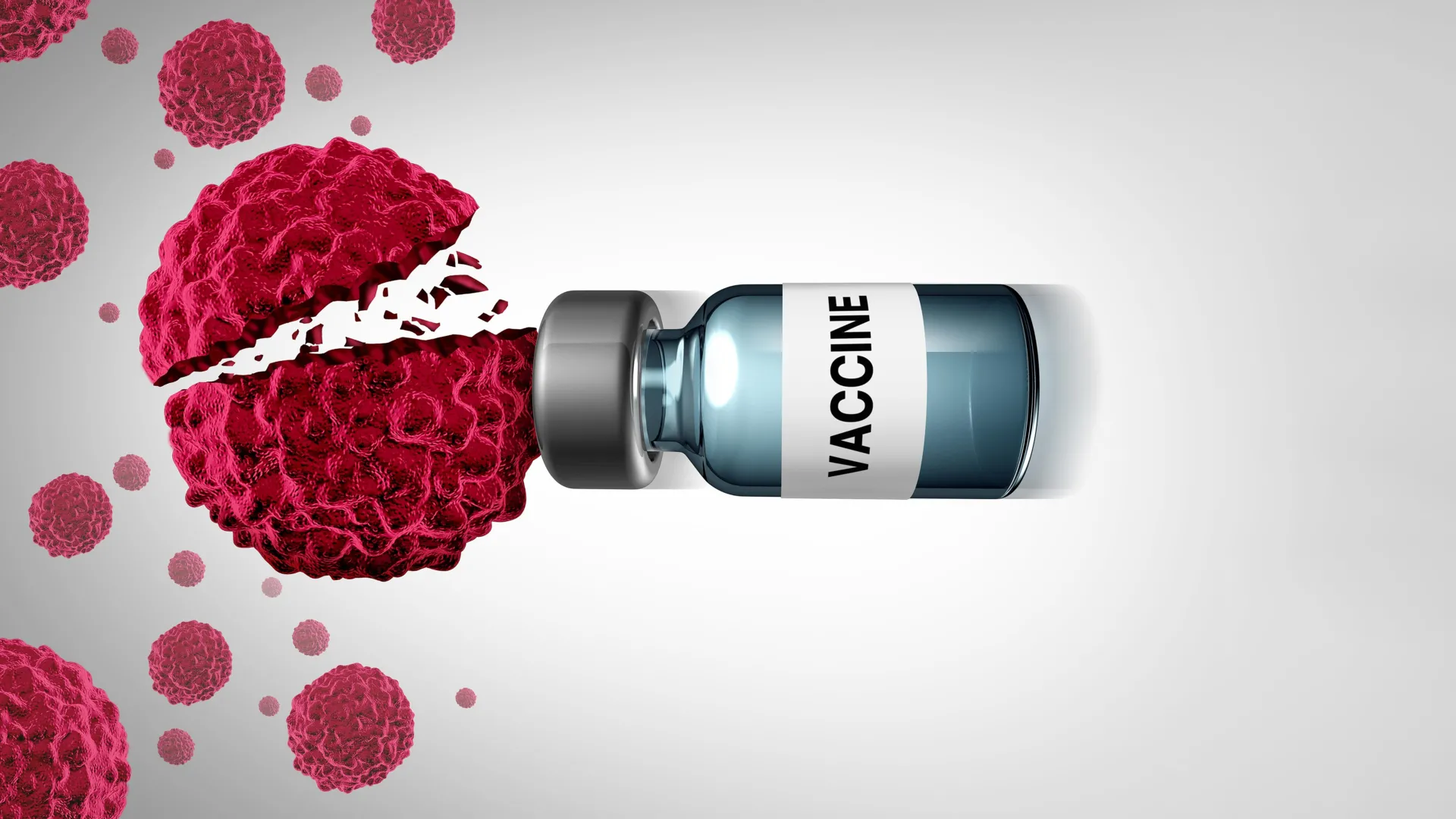
The global success of mRNA vaccines during the COVID-19 pandemic served as a proof-of-concept for a technology that had been lingering in the wings of medical research for decades. By delivering precise genetic instructions to the body’s cellular machinery, mRNA vaccines turned the human immune system into a personalized manufacturing plant for viral defense. Now, that same platform is undergoing a radical transformation: it is being weaponized against cancer.
From melanoma and small cell lung cancer to aggressive bladder malignancies, experimental mRNA vaccines are currently moving through clinical pipelines. However, as the field pivots from infectious disease to oncology, researchers are discovering that the rules of engagement are more complex than initially assumed. A groundbreaking study from the Washington University School of Medicine in St. Louis has now unveiled an unexpected flexibility in the immune system’s architecture, revealing that the body possesses a redundant—and highly effective—backup system for identifying and destroying tumors.
The Mechanistic Foundation of mRNA Immunotherapy
At its core, the mRNA vaccine platform is elegant in its simplicity. The vaccine delivers a synthetic strand of messenger RNA encased in a lipid nanoparticle. Once inside the body, this mRNA provides the “blueprints” for specific protein fragments unique to a patient’s tumor—known as neoantigens.
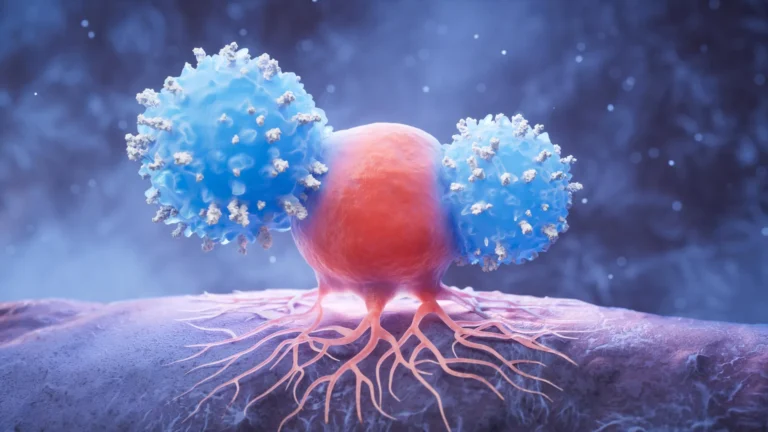
Once these instructions are internalized by immune cells, the cells synthesize these tumor-specific proteins. The immune system, programmed to view these foreign-looking proteins as threats, initiates a cascade of responses. Central to this process are dendritic cells, the “sentinels” of the immune system. These cells capture the proteins, process them, and present them on their surface to T cells—the “assassin” cells of the immune system. Once “primed” by a dendritic cell, these T cells are unleashed to hunt down and destroy any cell displaying the target tumor protein, effectively sparing healthy tissue while eradicating the malignancy.
Chronology of a Discovery: Challenging the cDC1 Dogma
For years, the scientific community operated under a specific consensus: the primary driver of this immune response was a specialized subtype of dendritic cell known as cDC1. Known for their efficiency in cross-presenting antigens to CD8+ T cells, cDC1 cells were widely considered the indispensable gatekeepers of anti-tumor immunity.
The Experimental Pivot
In a study published in the journal Nature, researchers at Washington University sought to stress-test this dogma. Led by senior author Kenneth M. Murphy, MD, PhD, and co-corresponding author William E. Gillanders, MD, the team utilized sophisticated mouse models to observe how the immune system behaved when specific dendritic cell populations were selectively removed.
- The Hypothesis: If cDC1 cells were truly the sole drivers of vaccine-induced T cell activation, then their removal should render an mRNA vaccine impotent.
- The Observation: When the team vaccinated mice lacking cDC1 cells, the results were startling. The immune systems not only mounted a robust T cell response, but the mice were also able to successfully clear aggressive sarcoma tumors.
- The Revelation: The researchers identified that a secondary, closely related subtype—cDC2 cells—had stepped into the breach. These cells effectively compensated for the absence of cDC1s, coordinating a potent anti-tumor attack that was functionally equivalent to the primary response.
Supporting Data: Redundancy as a Strength
The data derived from the Washington University experiments suggests that the immune system is far more resilient than previously credited. The study revealed that while both cDC1 and cDC2 cells can activate T cells, they do so with unique molecular “fingerprints.”
Molecular Fingerprinting
The researchers found that the T cells activated by cDC1 cells and those activated by cDC2 cells are not identical; they possess subtle molecular differences in their activation profiles. This suggests a division of labor or a complementary synergy. When both cell types are present, they work in tandem to provide a comprehensive defensive strategy. When one is absent, the other possesses the plasticity required to take over the primary defensive role.
This discovery of functional redundancy has profound implications for oncology. It explains why mRNA vaccines have demonstrated such high levels of efficacy across varied patient populations; the body has evolved to ensure that if one “messenger” cell is inhibited by the tumor microenvironment, another is capable of carrying the signal forward.
Official Responses and Expert Perspective
The implications of these findings extend far beyond the laboratory, providing a roadmap for the next generation of clinical trials.
“There is a lot of interest in applying the mRNA vaccine approaches used during the COVID-19 pandemic to the problem of inducing anti-tumor immunity,” said Kenneth M. Murphy, the Eugene Opie Centennial Professor of Pathology & Immunology at WashU Medicine. “By dissecting which immune cells are involved and how they coordinate the response, we’re offering vaccine developers some additional mechanistic insights to consider in their goal of optimizing these vaccines against tumor proteins.”
Dr. William E. Gillanders, a physician-scientist and surgical oncologist at Siteman Cancer Center, emphasized the clinical utility of these findings. His work, which includes the development of an investigational vaccine for triple-negative breast cancer, is directly informed by these mechanistic insights.
“This work uncovers a new way mRNA vaccines engage the immune system—through both cDC1 and cDC2—which helps explain their power and gives researchers concrete targets for making future mRNA cancer vaccines more effective,” Gillanders noted. “It could improve vaccine formulation and dosing, potentially explain why some patients respond better to vaccines than others, and guide strategies for making vaccines more effective.”
The "Cross-Dressing" Mechanism
Perhaps the most fascinating aspect of the study is the discovery of how cDC2 cells participate in this process. Unlike cDC1 cells, which directly synthesize the vaccine proteins, cDC2 cells operate through an indirect, highly efficient process known as “cross-dressing.”
In this scenario, cDC2 cells do not need to read the mRNA instructions themselves. Instead, they interact with other cells in the body that have successfully taken up the vaccine and manufactured the protein fragments. These "donor" cells then transfer the membrane complexes—bearing the tumor-specific antigens—onto the surface of the cDC2 cells. Once “dressed” in these antigen-laden complexes, the cDC2 cells are fully empowered to present the targets to T cells, thereby initiating the immune response.
This “cross-dressing” mechanism provides a vital failsafe. It means that the vaccine does not necessarily need to be taken up by every single immune cell to be effective. As long as the protein is manufactured somewhere within the lymphatic system, the cDC2 cells can capture the information and disseminate it, ensuring that the T cell response is widespread and potent.
Implications for Future Cancer Therapeutics
The discovery that both cDC1 and cDC2 cells are instrumental in vaccine success provides a new framework for clinical researchers. By acknowledging the distinct roles these cells play, scientists can now focus on several key areas of improvement:
1. Precision Dosing and Formulation
If developers know that both cell types contribute to the immune response, they can refine the lipid nanoparticle delivery systems to specifically target the tissue environments where both cDC1 and cDC2 cells reside.
2. Addressing Vaccine Resistance
Some cancer patients fail to respond to immunotherapies because tumors often create immunosuppressive environments that specifically target dendritic cells. Understanding the dual-pathway nature of mRNA vaccines offers a potential workaround; if a tumor suppresses cDC1 cells, researchers might develop supplemental therapies to specifically boost cDC2 activity, effectively rerouting the immune response.
3. Personalized Medicine
The molecular “fingerprints” identified in the study could lead to new diagnostic biomarkers. By analyzing a patient’s dendritic cell profile before treatment, clinicians might be able to predict which patients are likely to respond best to a standard mRNA vaccine and which might require adjuvant therapies to “supercharge” their specific dendritic cell populations.
Conclusion
The evolution of mRNA technology from a pandemic-fighting tool to a cancer-killing powerhouse is one of the most significant medical stories of the 21st century. The recent revelations from the Washington University School of Medicine reinforce the idea that the human immune system is a master of adaptation. By moving beyond the belief that a single cell type governs all immune activation, researchers have unlocked a more nuanced understanding of how to engage the body’s natural defenses.
As this research moves toward clinical application, the focus will shift from simply proving that mRNA vaccines work to understanding exactly how to maximize their potential for every patient. With the combined efforts of academic researchers, surgical oncologists, and biotechnology innovators, the goal of turning cancer into a manageable, and perhaps even curable, condition is moving steadily into view. The “sentinels” of our immune system, it turns out, have been working together all along—and now, we finally have the map to help them win the war.