








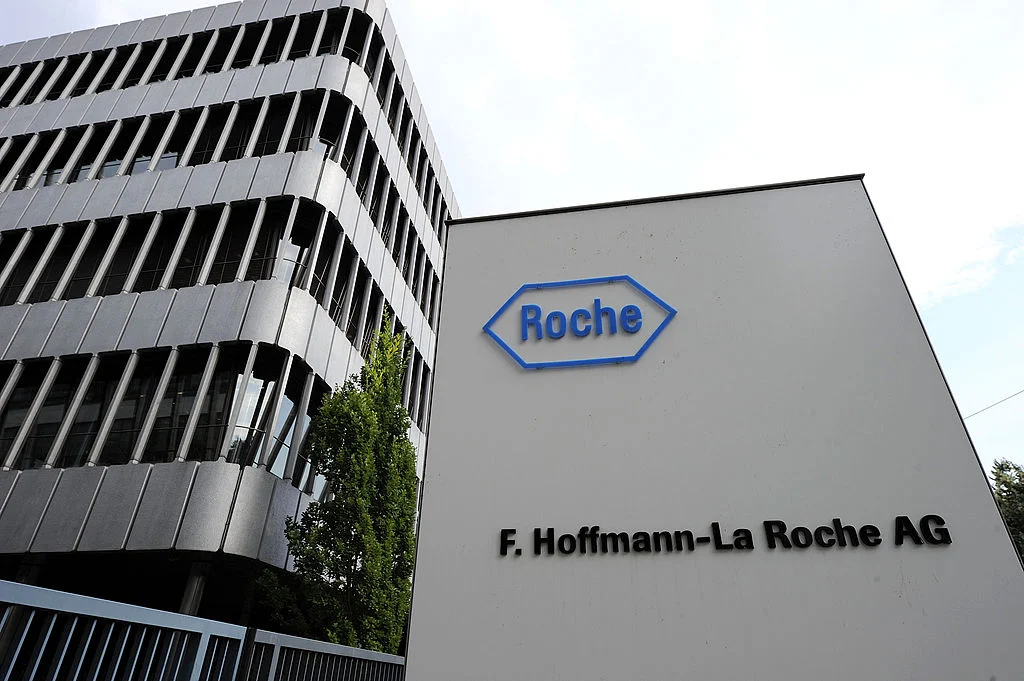
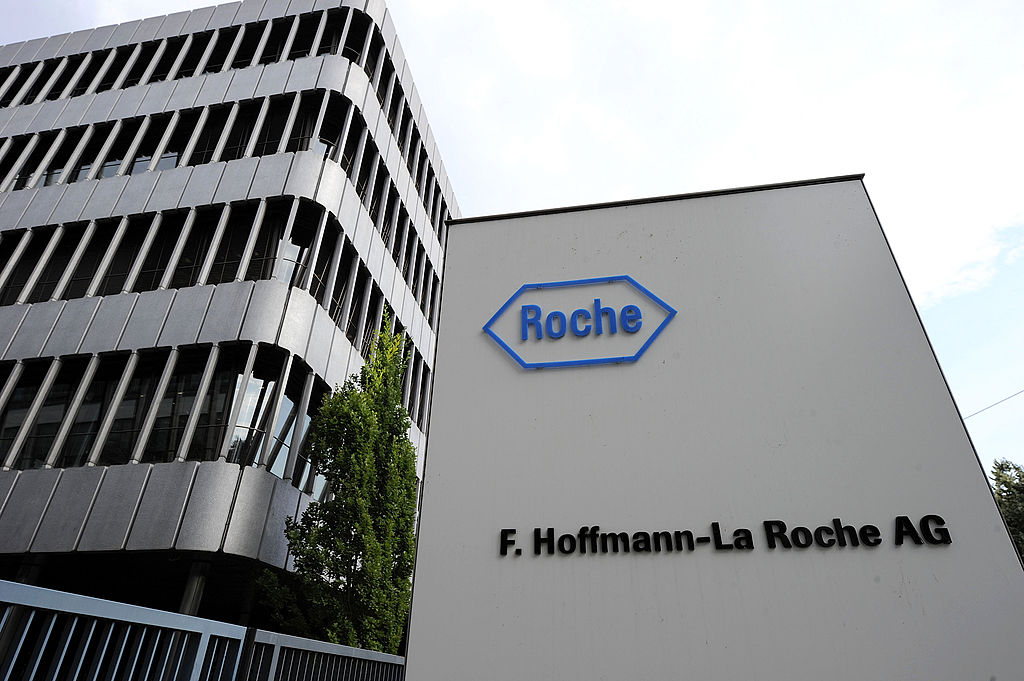
In a strategic maneuver to redefine the landscape of metabolic health, Roche—through its Genentech subsidiary—has announced a high-stakes licensing agreement with South Korean pharmaceutical leader Hanmi Pharmaceutical. The deal, valued at up to $2.5 billion, centers on HM17321, a clinical-stage peptide candidate that promises to address one of the most critical challenges in the current weight-loss medication market: the preservation of lean muscle mass.
As obesity therapies evolve from niche treatments to global blockbusters, the industry is shifting its focus from mere weight reduction to metabolic quality. By targeting the urocortin-2 (UCN2) pathway, Roche is positioning itself at the forefront of "next-generation" obesity care, aiming to move beyond the limitations of existing incretin-based therapies.
The Core Facts: A $2.5 Billion Bet on Muscle Preservation
Under the terms of the agreement, Genentech will pay Hanmi Pharmaceutical $190 million upfront to secure exclusive global rights to HM17321. While Hanmi will retain rights within its home market of South Korea, the rest of the world falls under the jurisdiction of Roche’s development engine.
The deal is heavily back-loaded, with up to $2.3 billion in potential milestone payments contingent upon successful clinical development, regulatory approvals, and commercialization benchmarks. Additionally, Hanmi stands to receive tiered royalties on net sales of the product should it successfully navigate the rigorous path to market.
Mechanism of Action: The UCN2 Advantage
The primary differentiator for HM17321 is its mechanism of action. Unlike the current gold-standard GLP-1 and GLP-1/GIP receptor agonists (such as Wegovy and Zepbound), which primarily focus on appetite suppression and insulin regulation, HM17321 acts as an analog for urocortin-2.
UCN2 is a neuropeptide that binds to the corticotropin-releasing factor type 2 (CRF2) receptor. Found in the central nervous system and skeletal muscle, these receptors play a pivotal role in metabolism. By activating the CRF2 receptor in muscle tissue, HM17321 aims to achieve a "dual-win" outcome: reducing adipose (fat) tissue while simultaneously protecting or even increasing muscle mass and function. This addresses the "lean mass loss" phenomenon, a significant side effect of current blockbuster injectable weight-loss drugs that has caused concern among clinicians regarding long-term patient health and metabolic stability.
Chronology: Roche’s Aggressive Expansion into Metabolism
Roche’s entry into the metabolic space has been rapid and calculated. Following years of focusing on oncology and neuroscience, the Swiss giant pivoted toward metabolic diseases in late 2023, initiating a spree of acquisitions and partnerships.
- December 2023: Roche signaled its intent to dominate the metabolic market by acquiring Carmot Therapeutics for $2.7 billion. This deal provided the company with CT-388, a potent dual-acting GLP-1/GIP agonist, instantly placing Roche in direct competition with heavyweights like Novo Nordisk and Eli Lilly.
- Early 2024: Building on the Carmot acquisition, Roche continued to expand its pipeline, exploring both injectable and oral candidates for metabolic disorders.
- Late 2024: Roche finalized a massive $1.65 billion upfront partnership with Zealand Pharma for petrelintide, a long-acting amylin analog. Petrelintide has since shown promising results in mid-stage clinical trials, further validating Roche’s strategy of combining different hormonal pathways to maximize weight loss while preserving body composition.
- March 2025: Roche reported positive preliminary mid-stage data for petrelintide, confirming that it could achieve statistically significant weight loss.
- March 2025 (Current): The Hanmi Pharmaceutical deal marks the latest chapter in this expansion, shifting the strategy from GLP-1 dominance to specialized, muscle-sparing therapies.
Supporting Data: The Clinical Landscape
The race to address the muscle-loss problem has intensified. While GLP-1 agonists are highly effective at inducing caloric deficits, they often lead to a reduction in muscle tissue, which can lower a patient’s basal metabolic rate and potentially lead to weight regain once treatment stops.
Preclinical Success
In preclinical studies conducted by Hanmi, HM17321 demonstrated a robust ability to induce weight reduction both as a monotherapy and as part of a combination regimen. The drug showed a favorable profile in animal models, specifically regarding its ability to mitigate the loss of lean tissue compared to control groups treated with traditional incretin mimetics.
Competitive Benchmarking
Roche is not alone in identifying UCN2 as a key target. The Danish peptide specialist Gubra recently initiated a Phase 1/2a clinical trial for its own UCN2-targeting candidate, GUB-UNC2. The fact that two major players have turned their attention to this specific pathway within a short window suggests that the pharmaceutical industry views the CRF2 receptor as the next frontier in obesity management.
Current Clinical Status
Hanmi has already commenced a U.S.-based Phase 1 study, which is currently enrolling a cohort of healthy volunteers and patients with obesity. Per the agreement, Hanmi will retain responsibility for completing this initial safety study, allowing the Roche/Genentech team to integrate the data into their broader portfolio before taking the reins for subsequent Phase 2 and 3 trials.
Official Responses and Strategic Intent
The leadership at Roche has framed this acquisition as a cornerstone of their "diverse portfolio" strategy. Boris Zaïtra, head of Roche Corporate Business Development, emphasized that the goal is to provide physicians with a toolset that goes beyond simple scale-weight reduction.
"By licensing this next-generation investigational therapy with first-in-class potential from Hanmi, Roche and Genentech will pursue a differentiated approach to selectively reduce fat mass while improving both muscle mass and muscle function," Zaïtra stated. "We look forward to further developing this medicine in order to address important unmet needs for people living with obesity and other metabolic diseases."
Hanmi Pharmaceutical, for its part, views the partnership as an endorsement of its internal R&D capabilities. By offloading the global development and commercialization risk to a powerhouse like Genentech, Hanmi ensures that its novel peptide has the best possible chance of reaching a global patient population, while retaining the rights to serve the South Korean market.
Implications: The Future of Obesity Treatment
The implications of this deal for the pharmaceutical industry are profound.
1. The End of "One-Size-Fits-All" Weight Loss
For years, the obesity market has been defined by the potency of GLP-1 agonists. However, the next phase of the industry will likely be defined by "combination therapy" and "specialized mechanisms." By pairing assets like petrelintide (which promotes satiety) with HM17321 (which protects muscle), Roche is building a platform that could potentially allow for more personalized weight-loss protocols.
2. Economic Pressure on Competitors
With the acquisition of Carmot, the partnership with Zealand Pharma, and now the deal with Hanmi, Roche has effectively signaled that it will not be satisfied with being a "me-too" player. The financial weight behind these deals—exceeding $4 billion in upfront payments alone—sets a high bar for entry for smaller biotech firms and forces larger competitors to re-evaluate their own pipelines.
3. Focus on Comorbidities
The deal explicitly mentions the potential for HM17321 to address related conditions such as type 2 diabetes and cardiovascular disease. As obesity is rarely an isolated condition, the industry is increasingly looking for "metabolic modulators" that can improve overall systemic health markers—such as blood pressure, lipid profiles, and insulin sensitivity—rather than focusing solely on BMI.
4. Regulatory and Safety Hurdles
As Roche pushes into these novel pathways, the regulatory path will be complex. The FDA and the EMA have historically been cautious regarding drugs that affect muscle mass and metabolic rate. The success of HM17321 will depend heavily on whether the data from the upcoming Phase 1 trials can demonstrate that the muscle-sparing effects are not only present but also safe, with a manageable side-effect profile that does not interfere with the drug’s efficacy in weight reduction.
Conclusion
Roche’s investment in Hanmi’s HM17321 is more than just a licensing deal; it is a clear statement that the future of obesity medicine lies in precision. As the global obesity crisis continues to demand more sophisticated clinical solutions, the shift toward muscle-preserving, metabolic-optimizing therapies represents the next logical step in a multi-billion dollar arms race. For patients, the hope is that these clinical developments will eventually lead to treatments that not only help them lose weight but help them maintain a healthy, functional, and metabolic-efficient body.