






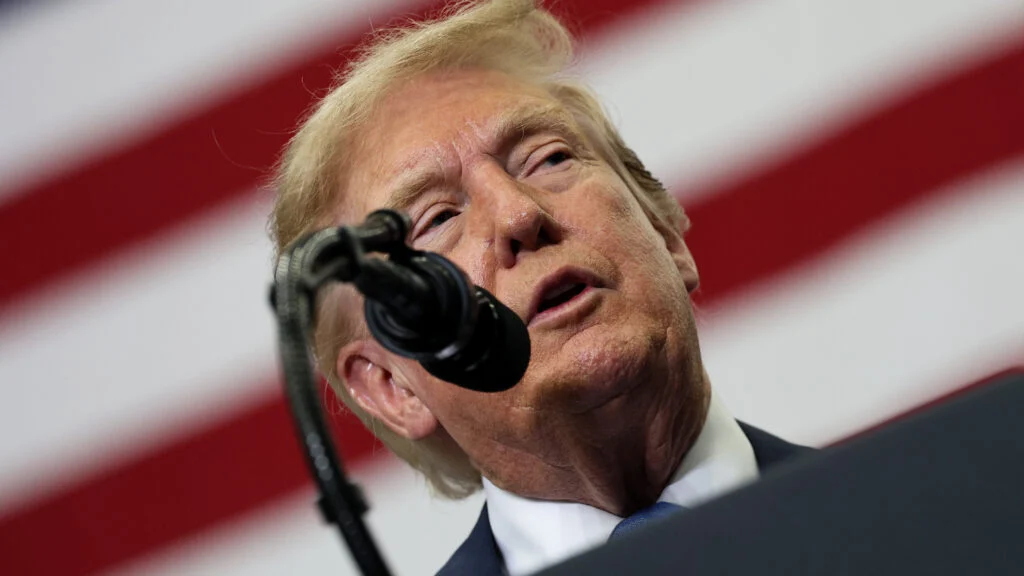
WASHINGTON — In a move designed to cement the centerpiece of his healthcare reform agenda, President Trump announced on Monday that nine additional pharmaceutical companies have entered into voluntary pricing agreements with his administration. This latest expansion brings the total number of participants to 26, signaling a significant, albeit contentious, shift in how the United States approaches the cost and supply chain of life-saving medications.
The new signatories—Alcon, Astellas, BeOne, BridgeBio, CSL, Sun Pharma, Kyowa Kirin, Teva, and UCB—have committed to a framework that mirrors previous deals struck by industry giants. Under the terms, these companies have pledged to align U.S. drug prices with the lowest available rates in peer nations, provide “most-favored nation” pricing to state Medicaid programs, and, in several cases, bolster domestic manufacturing capacity and contribute to the U.S. Strategic National Stockpile.
For the administration, the expansion is a victory of political maneuvering over legislative gridlock. For the industry, it is a calculated effort to stave off more aggressive, mandatory federal price controls that many firms fear could cripple innovation.
The Anatomy of the Agreements: A Strategic Trade-off
The core of the administration’s strategy lies in a “carrot-and-stick” approach. By voluntarily joining the Trump administration’s pricing framework, these nine companies—eight of which are headquartered outside the United States—are widely understood to be insulating themselves from the threat of punitive tariffs.
Key Commitments
The agreements, while lacking full public disclosure, generally entail three primary pillars:
- Global Price Parity: A commitment to sell new medications to U.S. patients at price points consistent with the lowest prices found in comparable international markets.
- Medicaid "Most-Favored Nation" Status: Ensuring that state-run Medicaid programs receive the absolute lowest price offered by the manufacturer, effectively subsidizing public health costs through private sector compliance.
- Supply Chain Resiliency: A tangible commitment to national security. Notably, UCB, Sun Pharma, Teva, and Astellas have collectively pledged 290 metric tons of active pharmaceutical ingredients (APIs) to the nation’s strategic reserves, a move aimed at reducing U.S. reliance on foreign-sourced raw materials during global supply chain disruptions.
The inclusion of companies like Teva and Sun Pharma, both dominant forces in the generic drug market, adds a layer of complexity to the administration’s claims. Critics point out that Medicaid already secures some of the lowest pricing for generics, leading analysts to question whether these deals represent genuine breakthroughs in affordability or merely a symbolic recalibration of existing market dynamics.
A Chronology of Confrontation and Cooperation
The road to these agreements has been paved with months of high-pressure negotiations and legal maneuvering. Since early 2026, the biotech and pharmaceutical sectors have been locked in a tug-of-war with the White House over the implementation of Medicare pilot programs.
- February 2026: The administration signals its intent to link U.S. drug costs to international prices via Medicare. The pharmaceutical industry responds with intense lobbying and threats of litigation, viewing the move as an existential threat to their profit margins and R&D pipelines.
- April 2026: Recognizing the industry’s resistance, the White House pivots to a strategy of private, voluntary negotiations. Officials announce plans to seek agreements with “hundreds” of drugmakers to bypass the need for contentious legislation.
- July 2026: A failed attempt by the administration to secure a formal industry endorsement for its broader drug pricing legislation highlights the ongoing tension. Despite this, companies begin to sign individual, private-sector deals to gain protection from looming tariffs.
- August 2026: White House officials tout internal data suggesting a drop in consumer drug prices, though independent watchdogs, such as the TrumpRx tracking platform, indicate that the impact remains limited and geographically inconsistent.
- Monday’s Announcement: The inclusion of nine new firms confirms that the administration’s strategy of “divide and conquer” is successfully drawing companies into the fold, one by one.
Official Responses: The "Very, Very Emotional" Path to Policy
The political stakes of these negotiations were laid bare by Health Secretary Robert F. Kennedy Jr. during Monday’s press conference. In a candid reflection on the intensity of the White House meetings, Kennedy revealed that the President had issued a blunt ultimatum to both himself and Centers for Medicare and Medicaid Services (CMS) Administrator Mehmet Oz: deliver results, or face termination.
“The President made it clear that failure was not an option,” Kennedy stated. “He spoke of his vision for the American patient in terms that were very, very emotional.”
President Trump, speaking to reporters, offered his own characteristic take on the dynamic. “I didn’t want to fire a Kennedy,” the President remarked. “I wasn’t going to do that.” The statement underscored the personal investment the President has placed in the success of these negotiations, positioning them as the cornerstone of his healthcare legacy.
However, the administration’s refusal to release the granular details of these deals—specifically their long-term impact on Medicare beneficiaries—has drawn fire from transparency advocates. While Secretary Kennedy claims that nine out of ten drugs prescribed in the U.S. are now covered by these voluntary agreements, the lack of third-party verification leaves the public to rely solely on White House data.
Implications for the Future of Healthcare
As the dust settles on this latest round of deals, several critical questions remain regarding the long-term viability and effectiveness of the administration’s strategy.
1. The Question of Sustainability
The current agreements are specifically structured to expire alongside the current administration. This “sunset clause” suggests that companies are viewing these deals as a stopgap measure rather than a fundamental shift in the industry’s business model. As the 2028 election cycle approaches, the pharmaceutical sector is likely to continue hedging its bets, maintaining these deals while simultaneously keeping legal challenges against federal pricing policies in their back pocket.
2. Generic vs. Branded Market Dynamics
The involvement of generic giants like Teva and Sun Pharma highlights the difficulty of applying a "one-size-fits-all" pricing policy. Generic drugs are already subject to intense price competition; forcing these companies into “most-favored nation” agreements may have unforeseen consequences on market competition, potentially leading to supply shortages if profit margins are squeezed too tightly.
3. The Legislative Gap
Despite the progress made through voluntary deals, the White House continues to push Congress to codify these agreements into law. This suggests that the administration recognizes the fragility of the current arrangement. Without legislative backing, these deals remain vulnerable to shifts in political winds, executive order reversals, or potential constitutional challenges regarding the scope of executive authority over private contracts.
4. The "TrumpRx" Reality Check
While the White House points to these deals as proof of its success, the TrumpRx drug purchasing platform—the administration’s flagship initiative—has thus far struggled to meet its grand ambitions. The disconnect between the rhetoric of “massive price drops” and the lived experience of patients at the pharmacy counter remains a significant political liability for the administration.
Conclusion: A Fragile Peace
The addition of nine more pharmaceutical companies to the administration’s pricing framework marks a significant milestone in the ongoing struggle to reform American healthcare. By leveraging the threat of tariffs and the promise of a stable regulatory environment, President Trump has successfully brought a wide swath of the global pharmaceutical industry to the negotiating table.
However, the true test of these agreements lies ahead. Whether they will result in sustainable, long-term relief for the American patient or merely serve as a temporary political shield for an industry in transition remains to be seen. As legal options remain open for pharmaceutical firms and the details of the deals remain shrouded in executive confidentiality, the American public is left to wonder if these “very, very emotional conversations” will truly lead to a more affordable, more accessible healthcare future.
For now, a fragile peace holds between the White House and Big Pharma—a peace built on private agreements, shared interests, and the looming shadow of the next election.