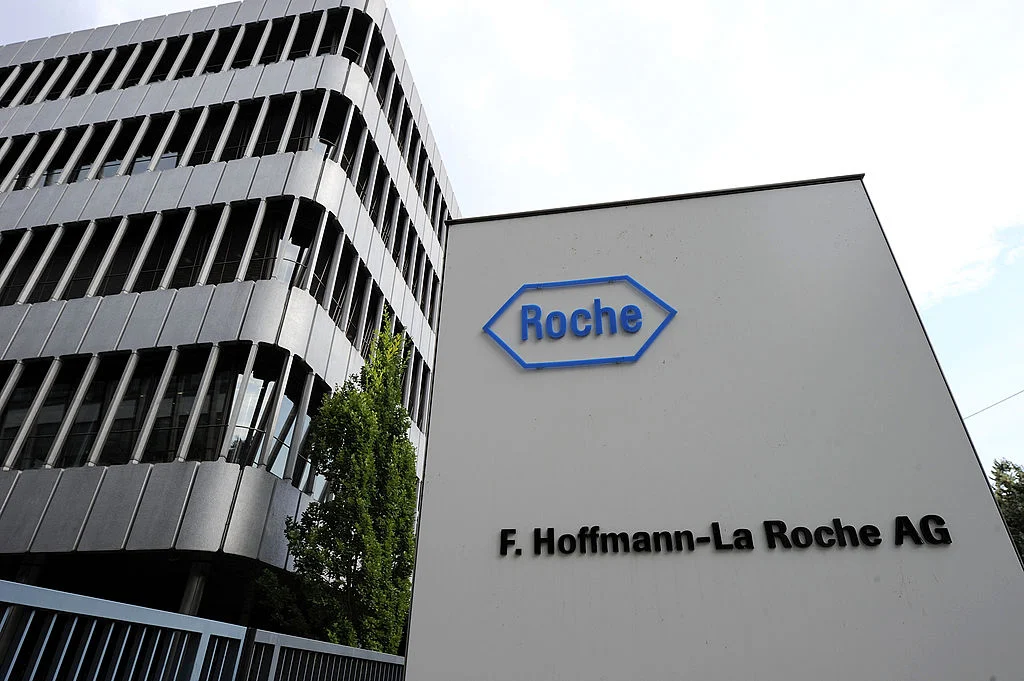
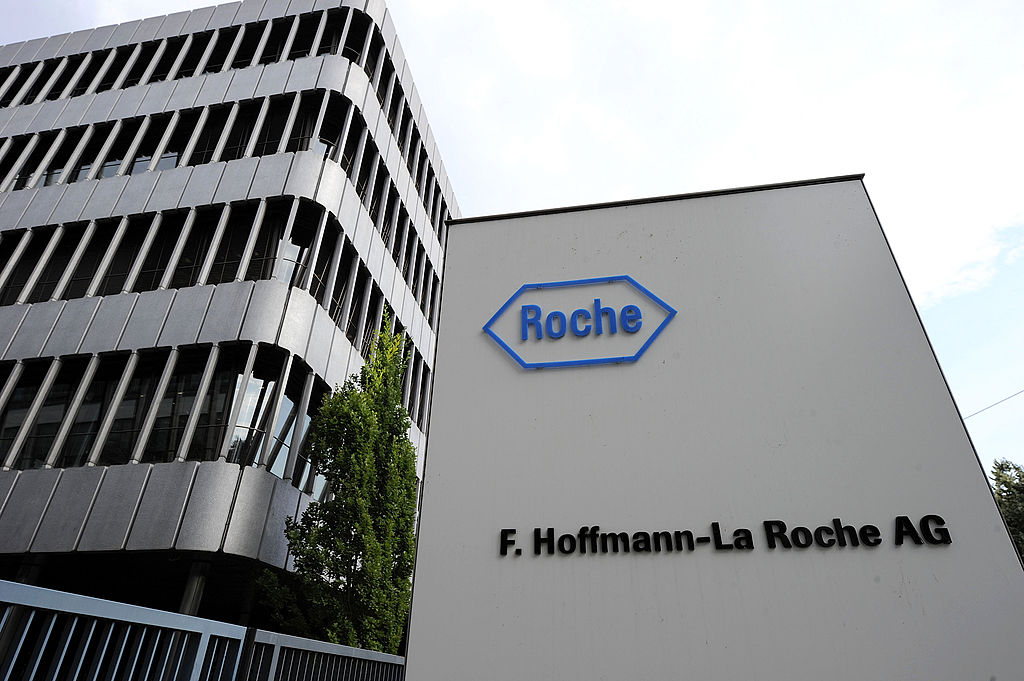
In a move that signals a strategic pivot in the global race to dominate the obesity pharmaceutical market, Roche, through its Genentech subsidiary, has entered into a significant licensing agreement with South Korean drugmaker Hanmi Pharmaceutical. The deal, valued at up to $2.5 billion in total potential payments, secures global rights—excluding South Korea—to HM17321, a novel clinical-stage asset designed to tackle one of the most persistent hurdles in modern weight-loss medicine: the unintended loss of muscle mass.
As the current standard of care—dominated by GLP-1 and GLP-1/GIP agonists like Novo Nordisk’s Wegovy and Eli Lilly’s Zepbound—continues to transform the treatment of metabolic disorders, clinicians and researchers have increasingly focused on the "quality" of weight loss. While these blockbuster therapies effectively reduce adipose tissue, they frequently lead to a concomitant reduction in lean body mass, raising long-term concerns about metabolic health, physical strength, and body composition. Roche’s latest acquisition aims to fill this gap with a differentiated mechanism of action.
The Core Agreement: A Strategic Partnership
Under the terms of the agreement announced on Monday, Genentech will pay Hanmi Pharmaceutical $190 million in upfront cash. While this initial infusion provides immediate capital to the South Korean firm, the potential upside is substantially higher. Should HM17321 meet specific clinical and regulatory milestones, Genentech is committed to paying up to $2.3 billion in additional incentives, alongside tiered royalties on future net sales.
This collaboration allows Hanmi to maintain its commercial rights within its home market, while leveraging the global clinical development and commercialization infrastructure of Genentech to bring the drug to the international stage.
Addressing the "Muscle Gap" in Obesity Treatment
The current generation of incretin-based therapies works primarily by mimicking gut hormones to regulate satiety and glucose levels. While highly effective, they do not specifically target muscle tissue. HM17321, however, operates through a distinct pathway.
HM17321 is a peptide analog of urocortin-2 (UCN2). In the human body, UCN2 binds to corticotropin-releasing factor type 2 (CRF2) receptors, which are localized within the central nervous system and skeletal muscle. By activating these receptors, the drug is designed to stimulate muscle tissue growth and function while simultaneously facilitating fat reduction.
Preclinical data, as shared by Hanmi, suggests that HM17321 can achieve weight loss both as a standalone monotherapy and when used in combination with traditional GLP-1 agonists. This versatility positions HM17321 not just as a potential alternative to current drugs, but as a crucial component of future "combination cocktails" that may provide patients with comprehensive metabolic health benefits.
A Chronology of Roche’s Metabolic Expansion
Roche’s recent entry into the obesity space has been defined by rapid, high-stakes investments. Once a company that focused heavily on oncology and neurology, Roche has transitioned into a formidable player in metabolic health through a series of tactical acquisitions.
- December 2023: Roche signaled its intent to become a major player in obesity by acquiring Carmot Therapeutics for $2.7 billion. This deal brought CT-388, a dual-acting GLP-1 and GIP receptor agonist, into the company’s portfolio.
- March 2025: The company further expanded its reach by paying $1.65 billion upfront to partner with Zealand Pharma on the development of petrelintide, an amylin receptor agonist. Unlike standard GLP-1s, amylin analogs target fullness signals and show promise in muscle preservation.
- March 2026: Following initial mid-stage data, Roche reported that petrelintide achieved statistically significant and clinically meaningful weight loss, solidifying its position as a key pipeline asset.
- March 2026 (The Present): Roche adds Hanmi’s HM17321 to its portfolio, signaling an aggressive, multi-pronged approach that targets different metabolic pathways—incretins, amylin, and now CRF2-targeted therapies.
Competitive Landscape and Scientific Context
Roche is not alone in identifying UCN2 as a viable therapeutic target for metabolic diseases. The field of peptide drug development is currently witnessing a surge in innovation, with companies like the Danish firm Gubra aggressively moving forward in the space. Last month, Gubra initiated a Phase 1/2a clinical trial for its own UCN2-targeting candidate, GUB-UNC2, indicating that the race to unlock the potential of the CRF2 receptor is heating up.
The scientific challenge for these companies lies in balancing potency with tolerability. Activating pathways in the central nervous system requires careful titration to avoid side effects, which is why the transition from preclinical models to human trials is a critical juncture for both Roche and its competitors.
Official Perspectives
The deal was met with optimism from the leadership at both organizations. Boris Zaïtra, Head of Roche Corporate Business Development, framed the acquisition as a cornerstone of the company’s broader mission to cater to the diverse requirements of the metabolic patient population.
"By licensing this next-generation investigational therapy with first-in-class potential from Hanmi, Roche and Genentech will pursue a differentiated approach to selectively reduce fat mass while improving both muscle mass and muscle function," Zaïtra stated. "We look forward to further developing this medicine in order to address important unmet needs for people living with obesity and other metabolic diseases."
Hanmi Pharmaceutical, for its part, remains responsible for completing the ongoing Phase 1 study, which is currently enrolling healthy volunteers and individuals with obesity. This ensures continuity in the early-stage data collection before Genentech assumes full control of the global clinical development program.
Implications: The Future of Obesity Management
The shift from "weight loss at any cost" to "healthy weight loss" marks a significant evolution in the metabolic therapeutic market. As the prevalence of obesity continues to climb globally, the pharmaceutical industry is moving toward a more nuanced understanding of how to manage chronic metabolic dysfunction.
1. The Rise of Combination Therapy
The success of HM17321 could fundamentally change the treatment paradigm. Rather than forcing patients to choose between a GLP-1 and a newer candidate, clinicians may soon prescribe fixed-dose combination products. By pairing an incretin (for appetite control) with a CRF2 agonist (for muscle maintenance), manufacturers hope to mimic the effects of rigorous physical exercise in a pharmacological format.
2. Diversifying the Roche Pipeline
For Roche, this acquisition acts as a hedge against the inevitable saturation of the GLP-1 market. By investing in amylin (Zealand) and CRF2 (Hanmi), the company is diversifying its intellectual property and its pharmacological "tool kit." This strategy ensures that even if one pathway fails to reach commercial viability, others may succeed, effectively de-risking their massive investment in the metabolic sector.
3. Patient Outcomes and Economic Impact
The medical community will be watching the clinical trials of HM17321 closely. If the drug successfully proves that it can protect or increase muscle mass while reducing fat, it could drastically improve the long-term health outcomes for patients with Type 2 diabetes and cardiovascular complications. Preserving lean muscle mass is essential for metabolic rate and mobility, particularly in older patients, making this a high-value development for public health systems worldwide.
As Hanmi progresses through the initial Phase 1 trials and hands the baton to Genentech, the industry remains focused on whether the "muscle-sparing" promise of UCN2 analogs can translate from the laboratory to the patient. Should it succeed, Roche’s billion-dollar bet may well define the next decade of metabolic medicine.