








By John Gever, Contributing Writer, MedPage Today
September 1, 2026
The burgeoning field of cell therapy, which has revolutionized the landscape of oncology, has hit its most significant roadblock to date. In a move that has sent shockwaves through the rheumatology and immunology communities, two pharmaceutical giants—Novartis and Bristol Myers Squibb (BMS)—have confirmed the suspension of clinical trials testing chimeric antigen receptor (CAR) T-cell therapies for autoimmune and inflammatory conditions.
The decision follows reports of serious adverse events among study participants, including three fatalities linked to a rare but severe immune complication. As these companies pivot from the high-stakes world of cancer treatment to the more cautious arena of chronic autoimmune disease management, the clinical community is now forced to grapple with a new, sobering risk-benefit calculus.
The Core Developments: A Double Blow to Innovation
The suspensions center on two primary investigational products: Novartis’s rapcabtagene autoleucel (rap-cel) and Bristol Myers Squibb’s zolacabtagene autoleucel (zola-cel).
Novartis has reportedly ceased both enrollment and active treatment in its rap-cel trials after three patients suffered from immune effector cell-associated hemophagocytic syndrome (IEC-HS), a condition characterized by an overactive immune response that can rapidly lead to multi-organ failure. Tragically, all three affected patients died.
Simultaneously, Bristol Myers Squibb confirmed it has paused its own development program for zola-cel. While the company has not reported fatalities associated with its therapy, it cited “transient and reversible inflammatory events” detected during routine study surveillance. This dual suspension, first reported by Fierce Biotech, represents the first major regulatory and safety setback for the industry’s push to apply cancer-fighting cellular engineering to conditions such as systemic lupus erythematosus (SLE) and systemic sclerosis.
Chronology: From Oncology Success to Autoimmune Crisis
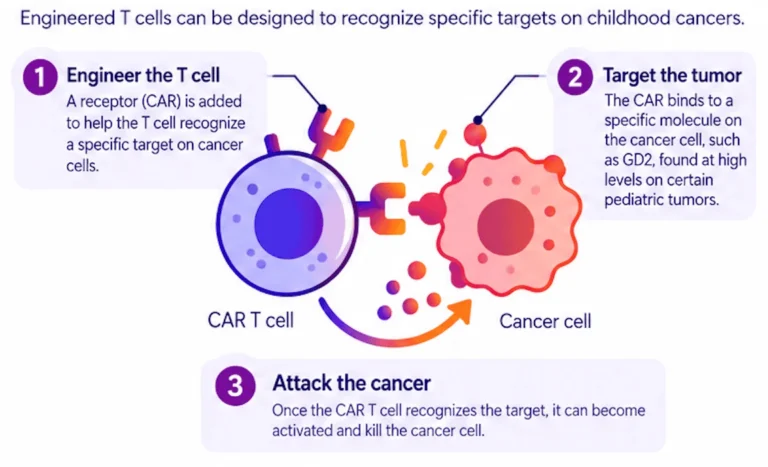
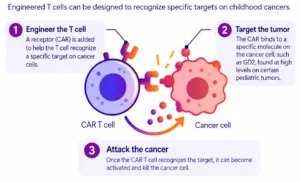
To understand the gravity of these pauses, one must look at the rapid trajectory of CAR T-cell therapy. Originally developed to treat B-cell malignancies—such as refractory lymphomas and leukemias—the technology involves extracting a patient’s T cells, genetically engineering them in a laboratory to recognize specific markers on rogue B cells, and reinfusing them to "hunt down" the disease.
- Early Success: The results in oncology were transformative. Patients with terminal diagnoses achieved durable remissions that were previously considered impossible.
- The Pivot: Recognizing that many autoimmune diseases are also driven by aberrant B-cell activity, rheumatologists began testing the technology in patients who had failed all conventional pharmacological interventions. Early data from these pilot studies were, by all accounts, "astonishing," with some patients entering long-term, drug-free remission.
- Expansion: Encouraged by these signals, pharma pipelines expanded rapidly. ClinicalTrials.gov currently lists nine trials for Novartis’s rap-cel targeting a vast array of conditions, including lupus nephritis, rheumatoid arthritis, Sjögren’s disease, systemic sclerosis, and multiple sclerosis. BMS similarly pushed forward with three trials for zola-cel, targeting SLE, systemic sclerosis, and autoimmune cytopenia.
- The Turning Point: The momentum stalled abruptly this week as the reality of the therapy’s toxic profile in non-cancer populations became undeniable.
The Scientific Context: Why IEC-HS and Other Risks Matter
CAR T-cell therapy is not a benign intervention. It requires a “lymphodepleting” or conditioning regimen—usually a harsh course of chemotherapy—administered before the engineered cells are reinfused. This creates a state of systemic immune vulnerability, making opportunistic infections a constant concern.
Beyond the conditioning phase, the reinfused T cells themselves can trigger an intense inflammatory storm. Cytokine release syndrome (CRS) is the most common side effect; it is typically manageable with immunosuppressants like tocilizumab. However, more severe complications, such as immune effector cell-associated neurotoxicity syndrome (ICANS), have been documented.
The emergence of IEC-HS—a form of hemophagocytic lymphohistiocytosis (HLH) induced by immune effector cells—is particularly concerning. While it is a known, albeit rare, complication in oncology, it carries a boxed warning on FDA-approved labels for existing CAR T products. Until now, the clinical assumption was that the lower tumor burden in autoimmune patients might result in a more controlled, less volatile immune activation. The recent fatalities suggest that the underlying systemic inflammatory state of autoimmune patients may be amplifying the risks of these therapies in ways that current protocols have failed to mitigate.
Official Responses and Corporate Strategy
The corporate response to these events highlights the tension between maintaining investor confidence and addressing patient safety.
Bristol Myers Squibb, which has not reported fatalities, remains optimistic that its pause is a temporary precautionary measure. In a statement provided to MedPage Today, the company emphasized that the adverse events were identified during “routine study surveillance.”
“To date,” the BMS statement read, “the overall safety profile of zola-cel remains consistent with the known profile of CAR T therapies. We are focused on completing our evaluation and resuming enrollment as quickly as possible.”
Novartis, however, has been less forthcoming. The company did not respond to multiple requests for comment regarding the three deaths associated with rap-cel. The silence from the Swiss pharmaceutical giant suggests that the company is currently engaged in intensive internal investigations and likely high-level consultations with the FDA to determine if the trials can be modified or if they must be abandoned entirely.
Implications: The New Risk-Benefit Calculus
The fundamental dilemma facing the field is the difference in patient populations. In oncology, where the alternative to CAR T-cell therapy is often death, a high risk of fatal side effects is deemed acceptable. In the world of rheumatology, where patients often have decades of life expectancy, the threshold for acceptable risk is significantly higher.
1. Regulatory Scrutiny
The FDA will likely demand more rigorous screening protocols and potentially lower doses of conditioning chemotherapy. The "all-comers" approach to clinical trial recruitment may be replaced by stricter inclusion criteria, potentially excluding patients with existing signs of immune dysregulation or high disease activity.
2. The Future of "Off-the-Shelf" vs. Autologous
These setbacks may shift focus toward newer iterations of CAR T-cell therapy, such as "off-the-shelf" (allogeneic) therapies or in vivo CAR T-cell approaches, which aim to modulate the immune system more precisely without the need for intense lymphodepletion.
3. Patient Recruitment and Consent
Clinical investigators must now have difficult conversations with potential participants. The narrative of "miracle cures" must be balanced against the reality that these therapies carry a non-zero risk of mortality—a risk that is significantly more difficult to justify in non-malignant diseases.
4. Trial Viability
With planned enrollments for these trials ranging from 60 to nearly 180 patients per study, the financial investment is massive. If the safety concerns are inherent to the mechanism of action—the destruction of B cells and the resulting inflammatory cytokine cascade—pharma companies may find that the market for these therapies is smaller than initially projected, limited only to the most severe, refractory cases where the risk of death from the disease outweighs the risk of the treatment.
As the industry pauses, the medical community waits for clarity. The dream of curing chronic autoimmune disease with a single infusion of engineered cells remains alive, but the path forward has become considerably more treacherous. For now, the "astonishing" results of the past two years are tempered by the grim reality that in the race to innovate, the immune system remains a formidable and often unpredictable adversary.