Published July 6, 2026
In the fast-paced landscape of modern fitness, the quest for efficiency often clashes with the desire for mindful movement. On July 6, 2026, fitness expert Kassandra Reinhardt released a high-impact, 10-minute core-strengthening routine that bridges the gap between the controlled, resistance-based methodology of Pilates and the breath-centered, restorative philosophy of yoga. This hybrid practice, affectionately termed "Yogalates," offers a streamlined solution for individuals seeking to build abdominal strength, improve spinal health, and cultivate mental clarity in a timeframe compatible with the busiest of schedules.
The Intersection of Pilates and Yoga
The fundamental philosophy behind this 10-minute routine is the integration of two distinct yet complementary disciplines. Pilates, a system developed in the early 20th century, focuses on "centering"—the engagement of the deep abdominal muscles, the pelvic floor, and the back. Yoga, conversely, utilizes static holds and dynamic flows to encourage flexibility, balance, and nervous system regulation.
By blending these practices, the routine creates a synergy that traditional single-discipline workouts may lack. While Pilates provides the muscular burn necessary for hypertrophy and core stability, the yoga sequences provide the necessary lengthening and myofascial release. This ensures that the practitioner does not simply "tighten" the muscles but maintains functional mobility throughout the entire midsection.
The Core-Strengthening Chronology
The sequence is meticulously designed to warm the body, engage the primary muscle groups, and conclude with a meditative cool-down.
Phase 1: Mobilization and Activation
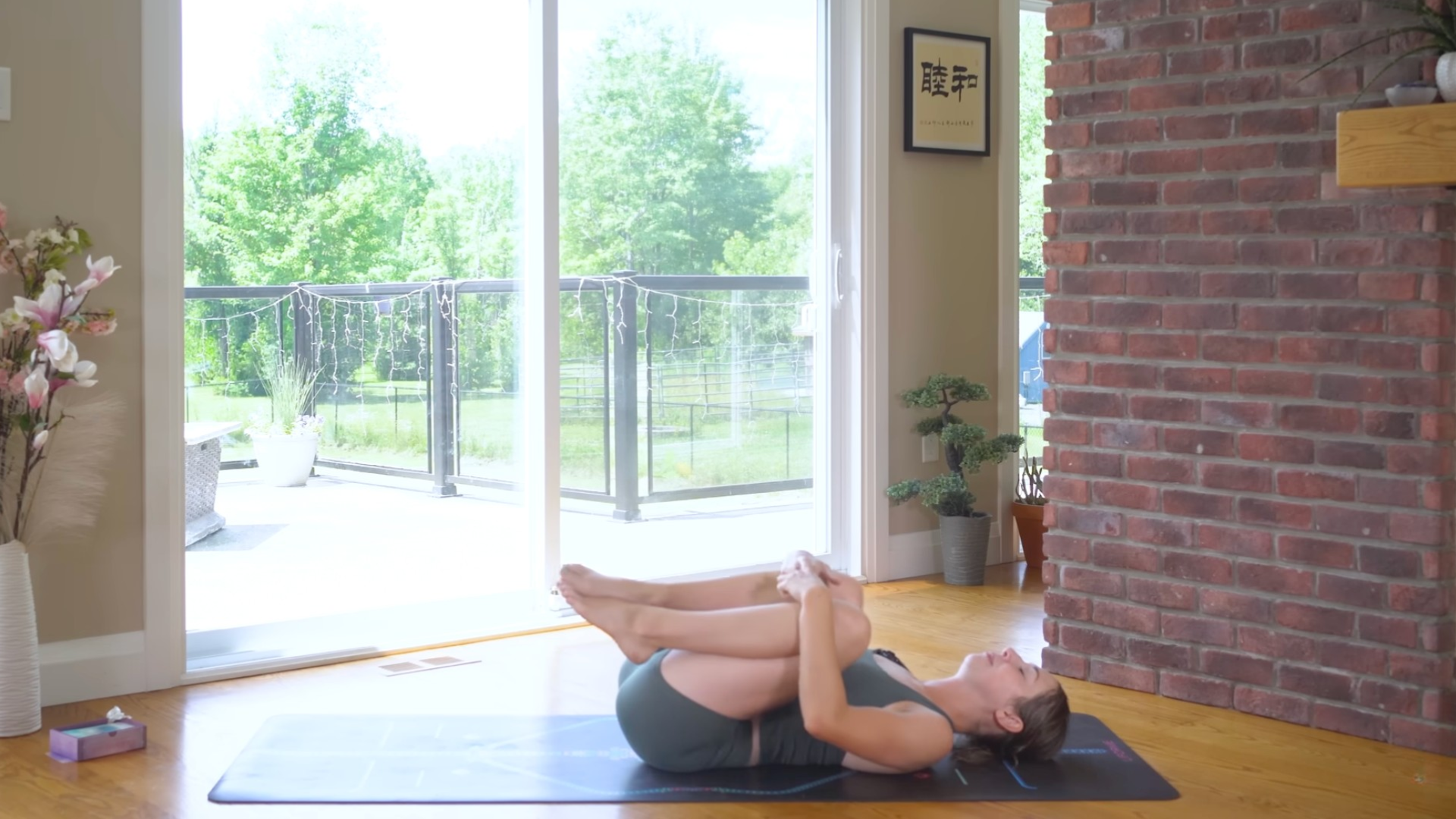
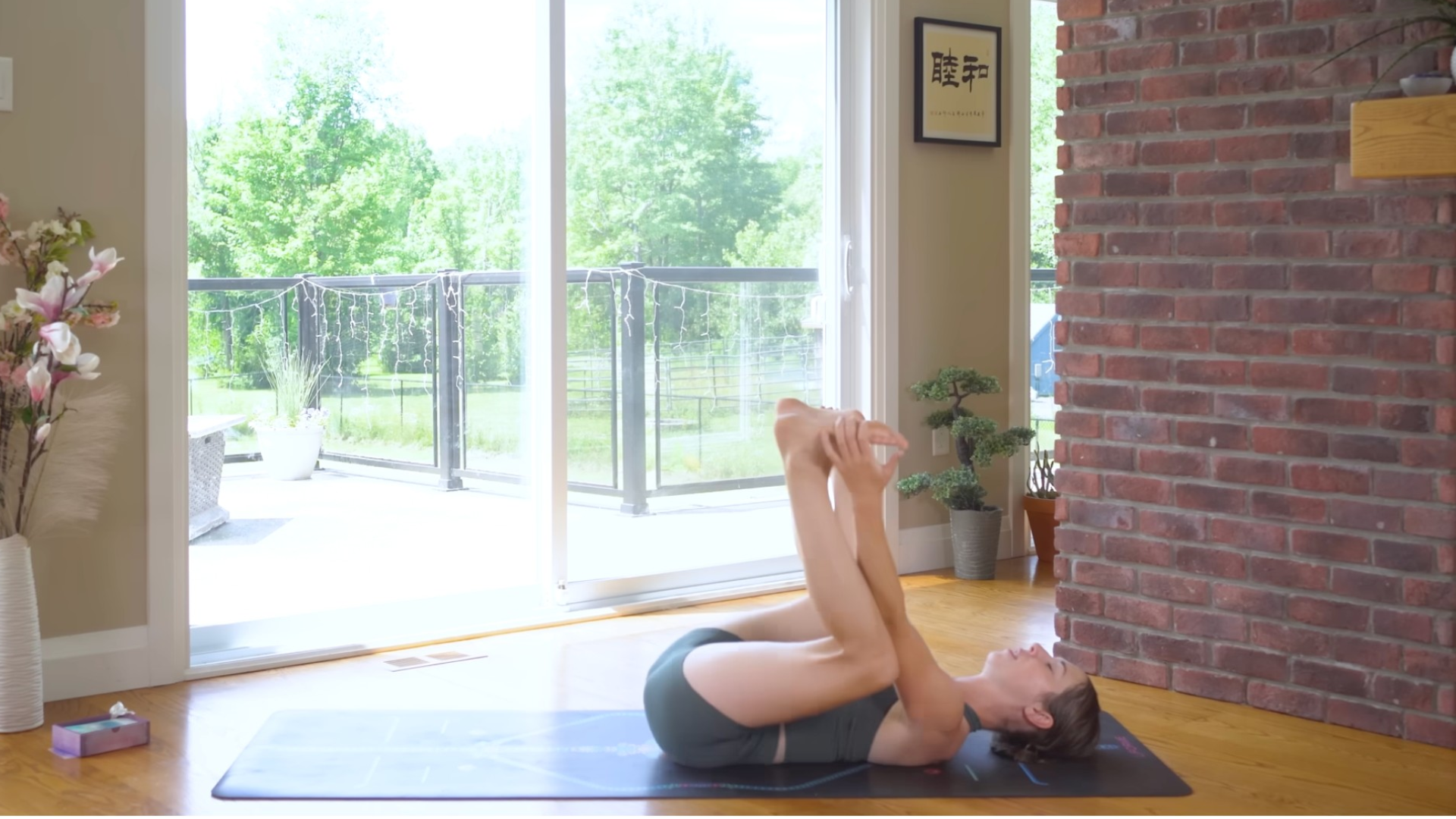
The session begins on the floor with Knee Circles. This initial movement serves as a diagnostic tool, allowing the practitioner to assess lumbar tension. By drawing the knees toward the chest and rotating them, the practitioner releases the lower back before the high-intensity core work commences.
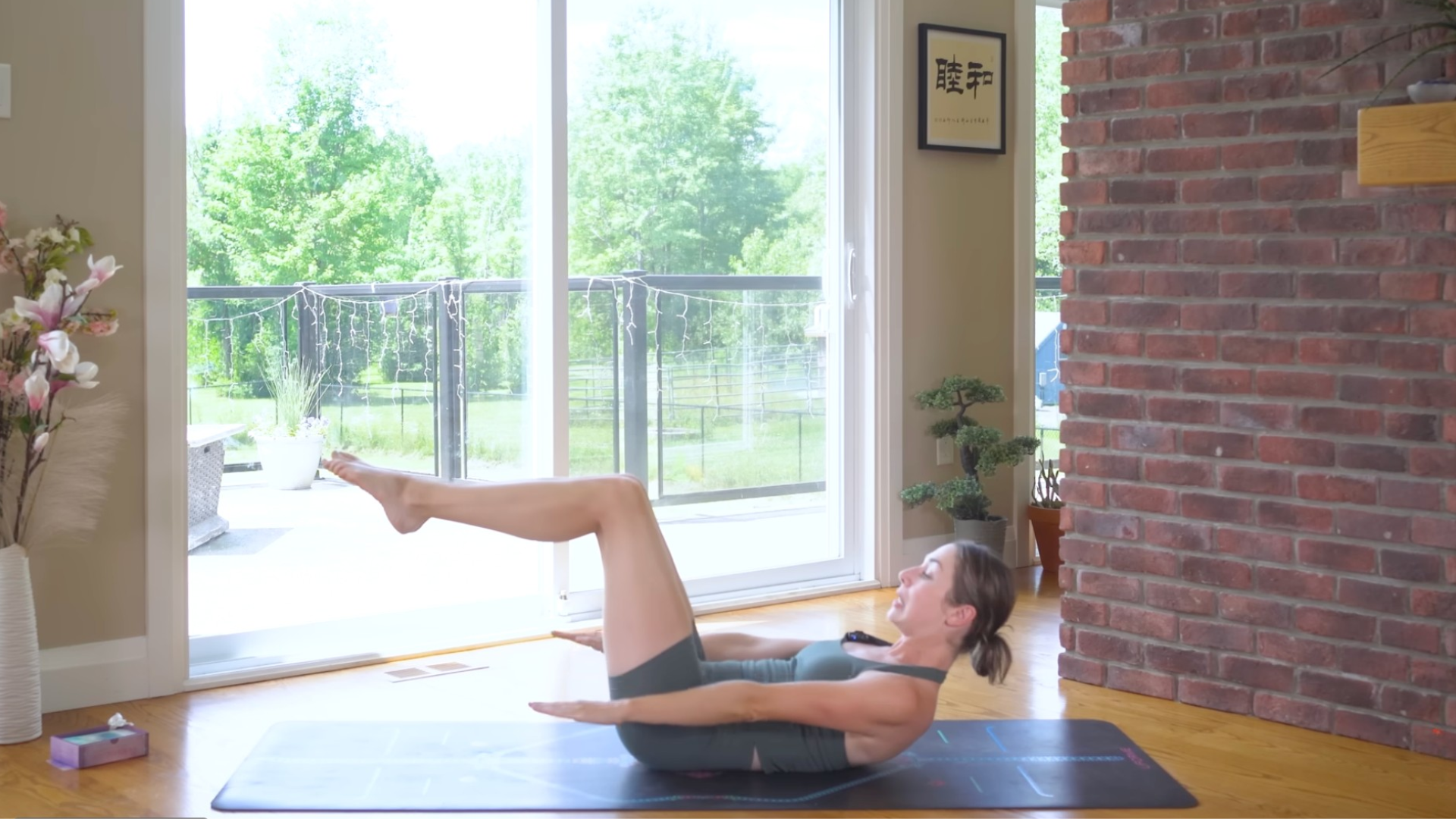
This leads directly into the Hundred, a classic Pilates staple. This exercise acts as the cardiovascular and respiratory engine of the workout. By pumping the arms while maintaining a "tabletop" position with the legs, the practitioner forces the deep transverse abdominis to stabilize the torso. The breathing pattern—inhaling for five counts and exhaling for five—is critical; it serves as a rhythmic metronome that prevents the buildup of lactic acid while ensuring consistent oxygenation of the working muscles.
Phase 2: Spinal Integrity and Oblique Engagement
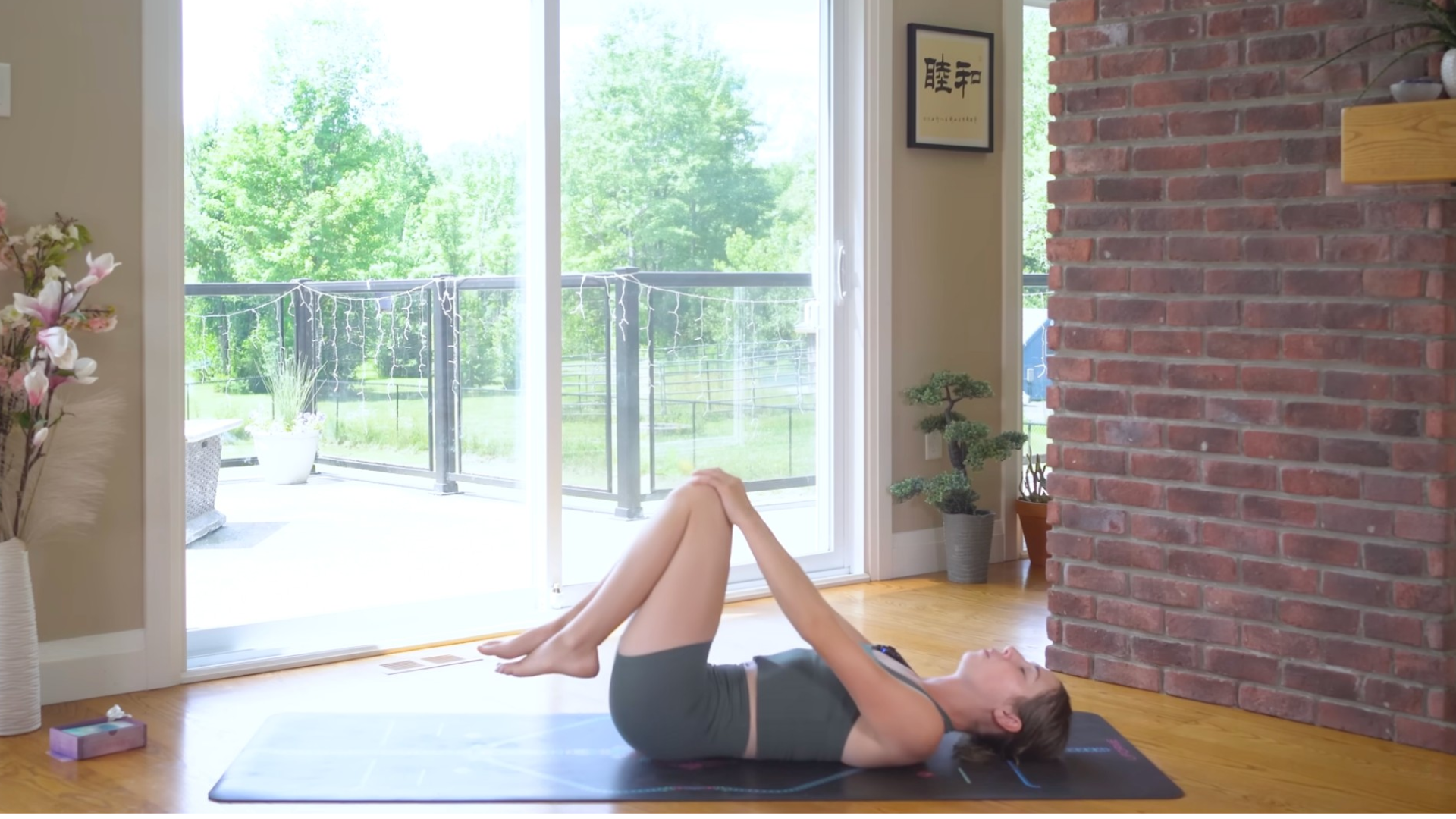
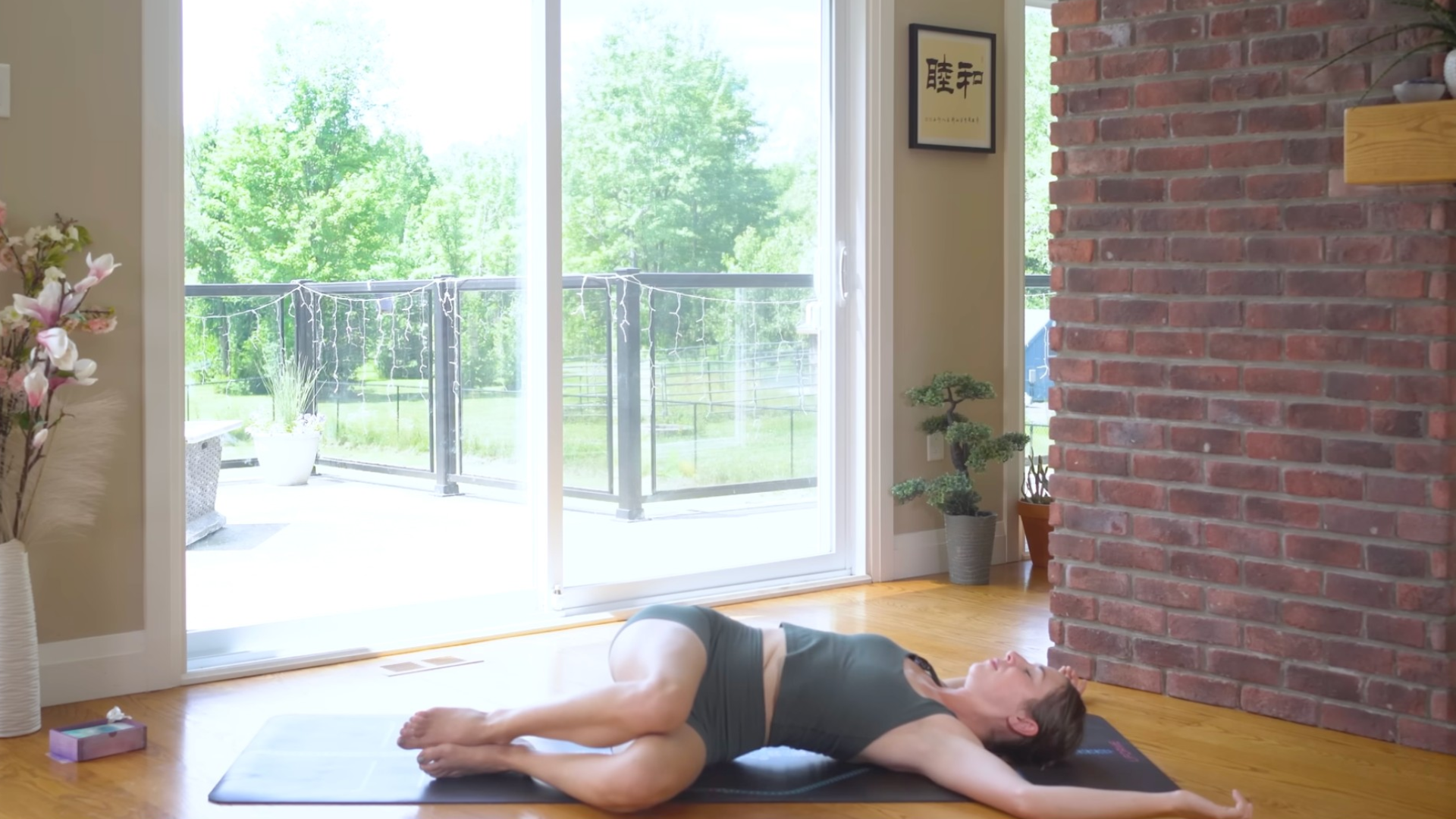
Following the Hundred, the routine transitions into the Reclined Spinal Twist. This is a crucial transitional phase. By moving from the high-engagement posture of the Hundred into a gentle spinal rotation, the practitioner encourages mobility in the thoracic and lumbar spine. It is not merely a stretch but a functional recovery movement that prepares the obliques for the next level of exertion.
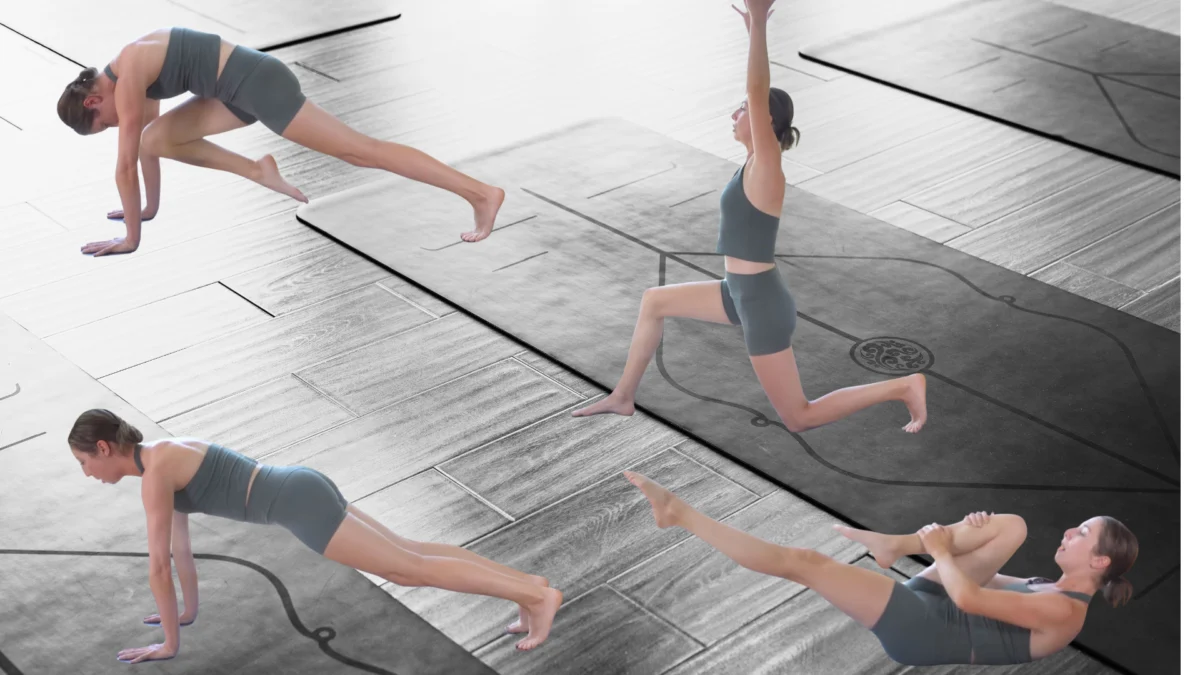
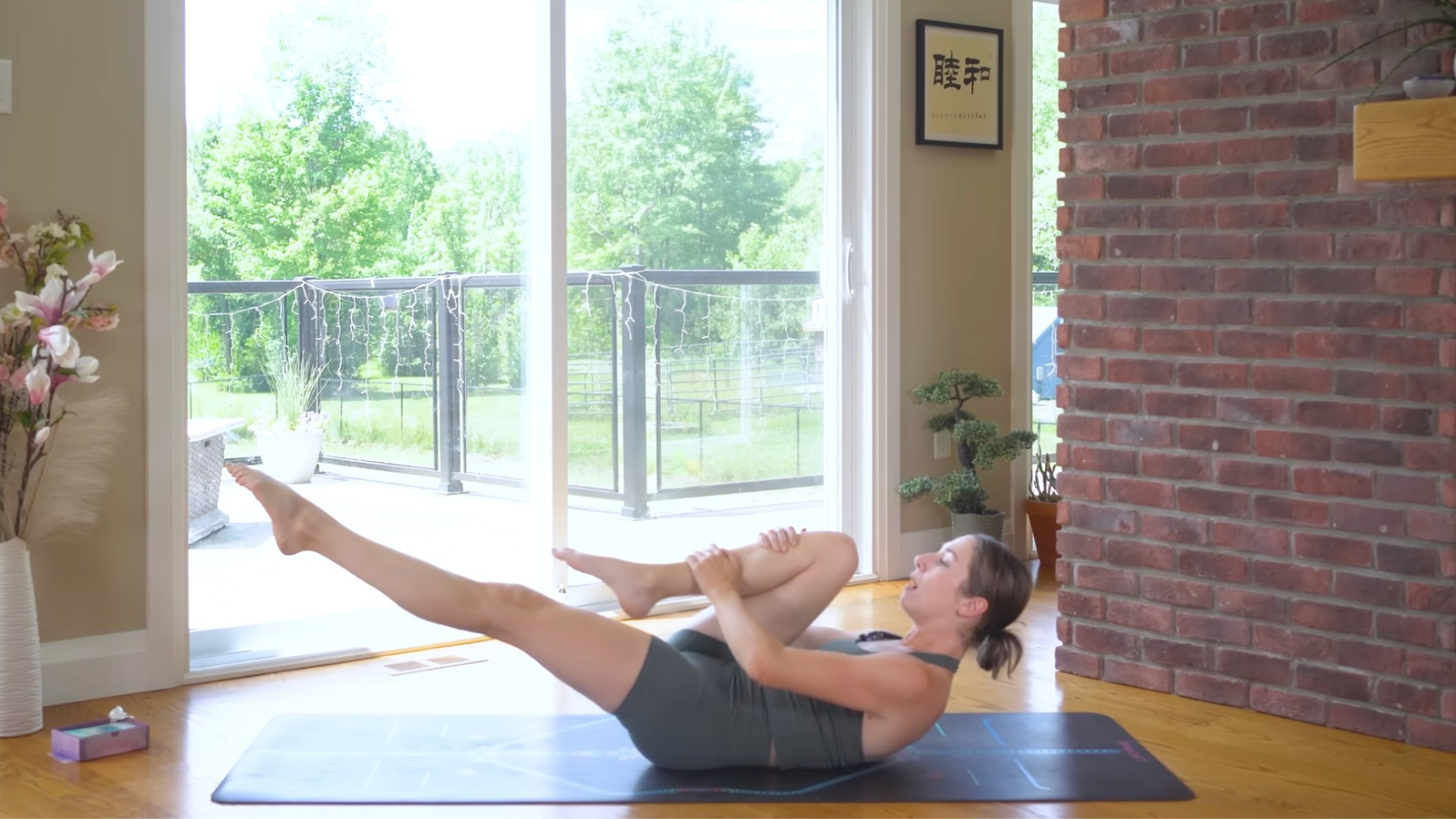
The Single Leg Stretch then reintroduces intensity. By isolating one leg while the other is extended, the practitioner challenges the core’s ability to remain stable while the limbs are in motion. This mimics real-world movement patterns, where the core must stabilize the torso during asymmetrical loading.
Phase 3: The Functional Flow
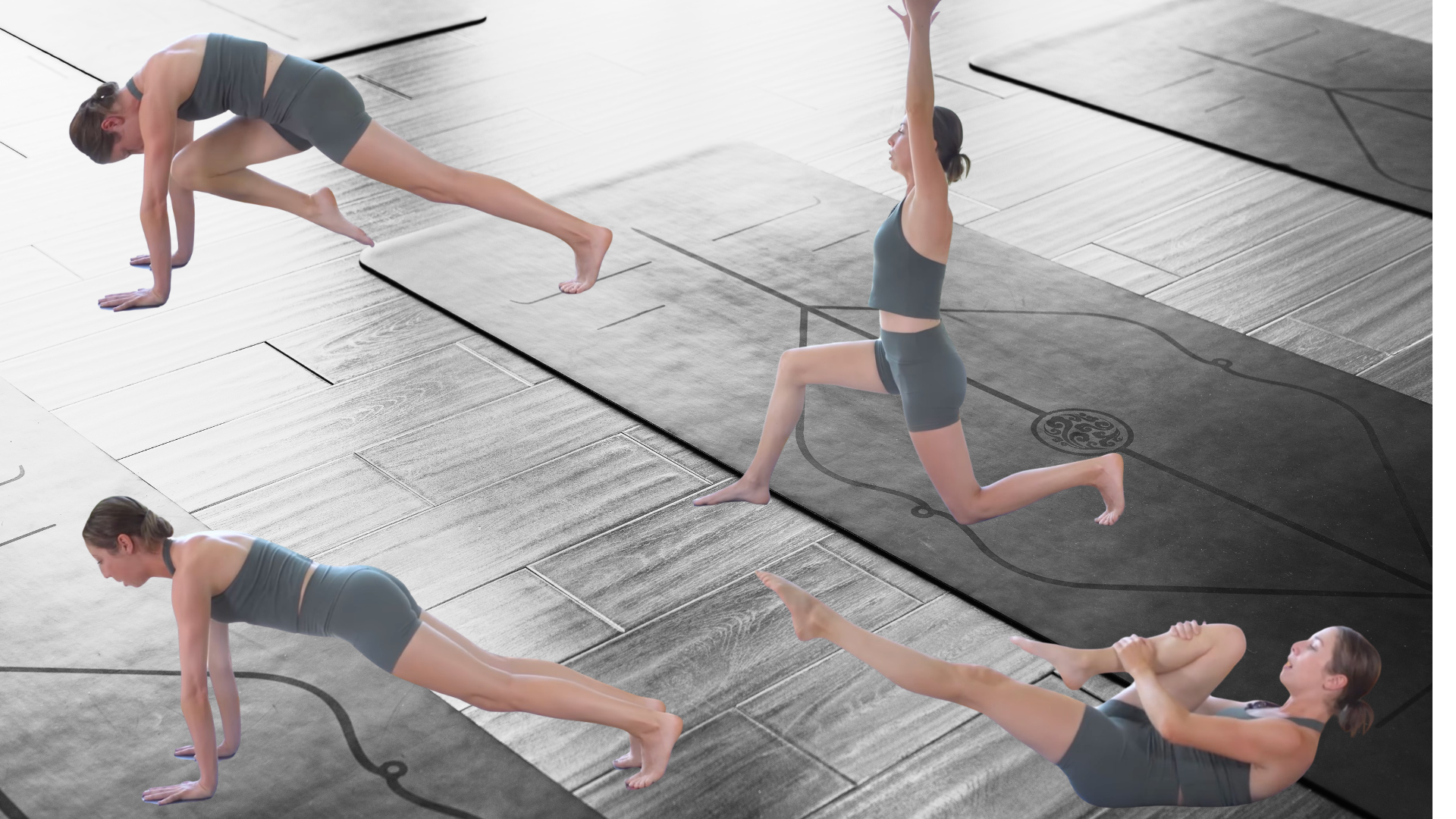
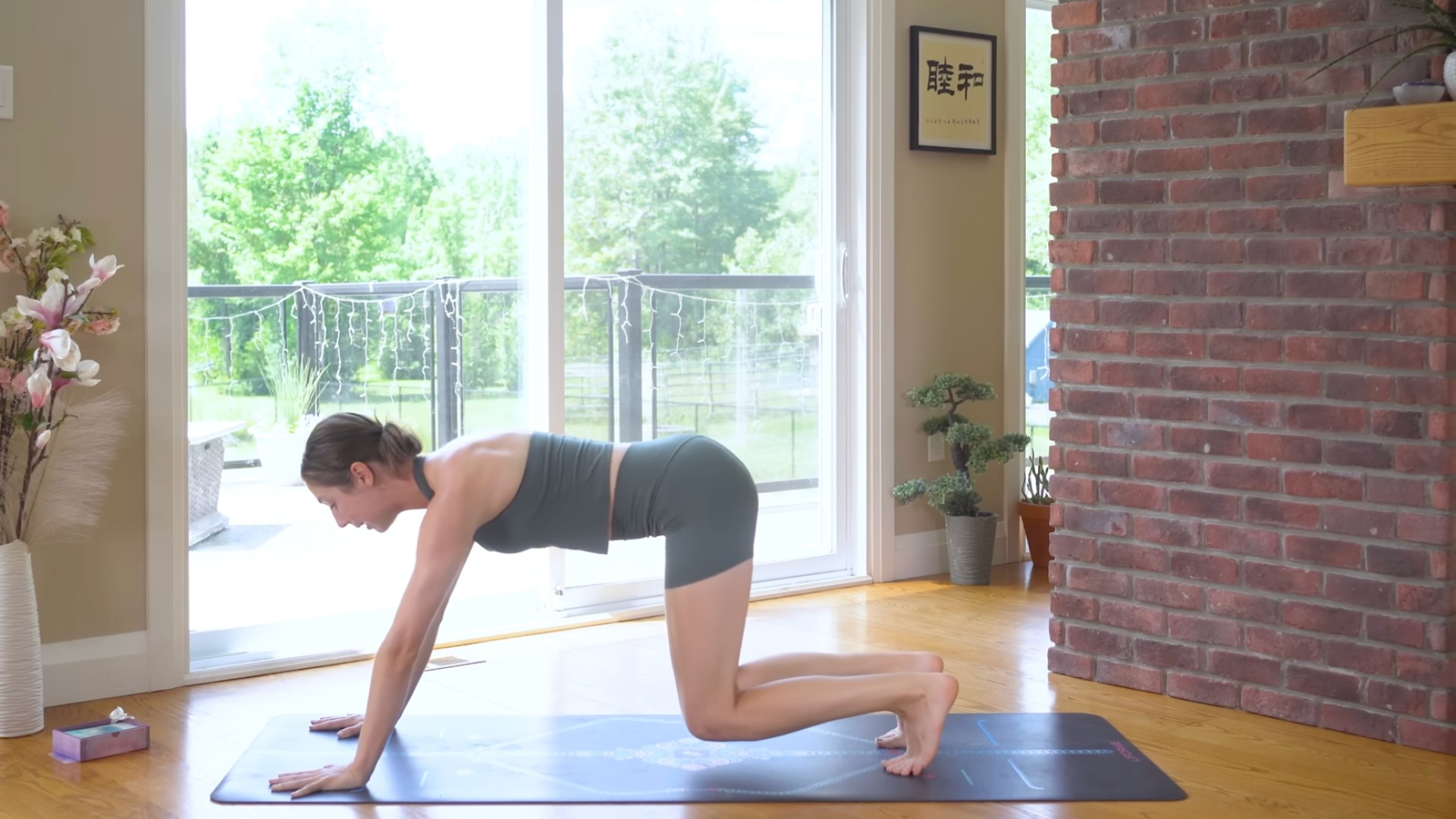
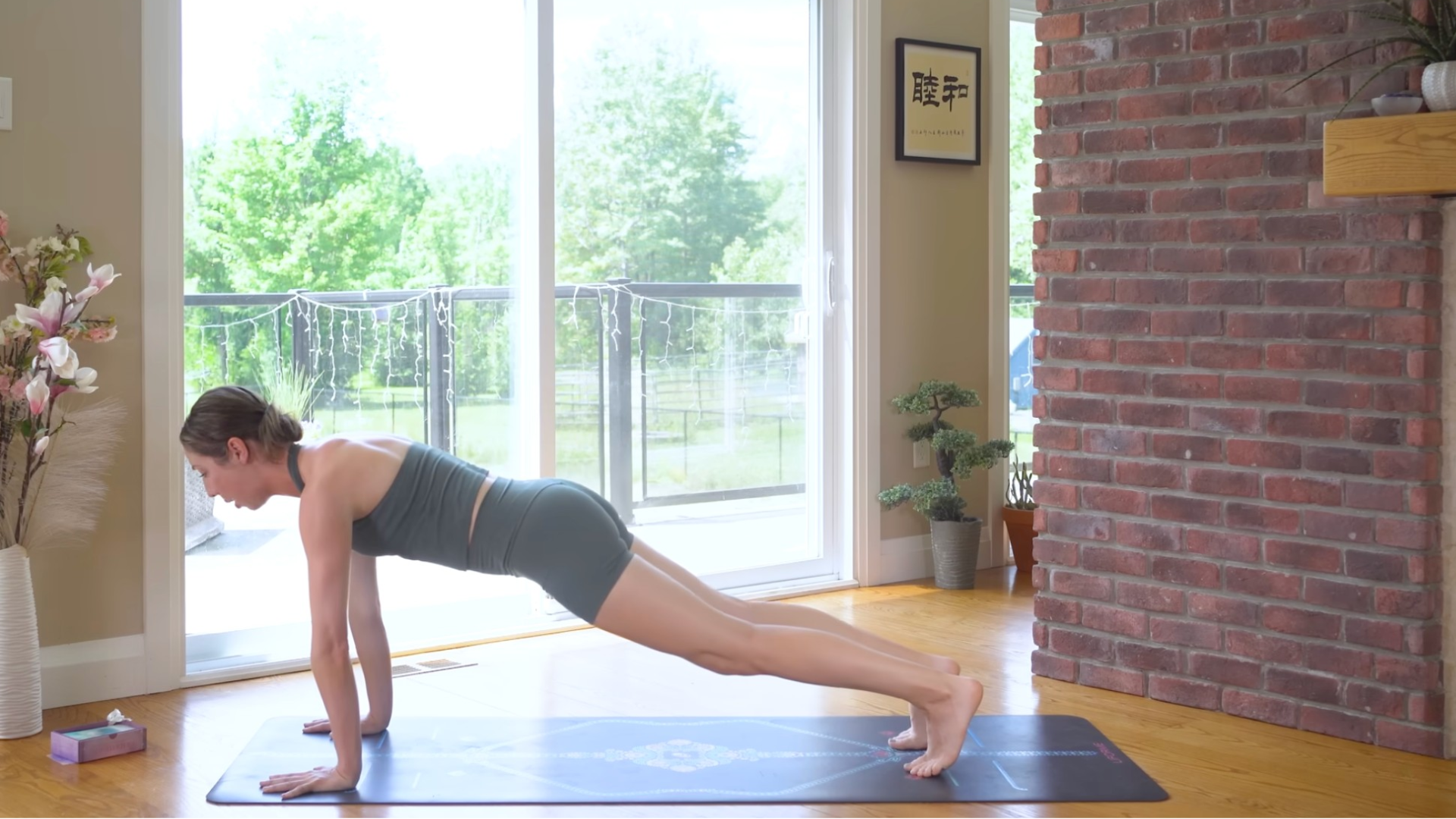
The routine moves from the floor to a weight-bearing, quadruped position. The Hovering Tabletop is perhaps the most challenging element of the sequence for beginners. By lifting the knees just an inch off the mat, the practitioner activates the entire core "canister," including the serratus anterior and the deep stabilizers of the spine.
This progresses into the Plank to Hovering Tabletop to Down Dog flow. This transition is essential for building shoulder girdle strength and refining the mind-body connection. The movement between these positions requires precise control of the diaphragm, teaching the practitioner to maintain core tension even during transitionary phases of exercise.
Phase 4: Integration and Lengthening
The final sequence, the Three-Legged Dog to Knee to Nose, combines the strength of a plank with the flexibility of a traditional yoga pose. By drawing the knee to the nose, the practitioner performs a "crunch" that is significantly more challenging due to the gravitational forces at play.
The subsequent Low Lunge (Anjaneyasana) provides an essential counter-stretch for the hip flexors, which often become tight due to excessive sitting. The session concludes with a gentle Cobra Pose and Child’s Pose, signaling to the nervous system that the work is done and that it is time to transition into a state of recovery.
Supporting Data: Why 10 Minutes Matters
The efficacy of short-duration, high-intensity interval training (HIIT) and core-focused sessions has been heavily documented in recent sports science literature. Studies suggest that even 10 minutes of targeted abdominal work can significantly improve core endurance, which is a primary indicator of back health.
Furthermore, the integration of breathing exercises (pranayama) into the workout has been linked to lower cortisol levels. By focusing on the breath during the Hundred and the Single Leg Stretch, the practitioner is not only training their abdominals but also training their autonomic nervous system to remain calm under physical stress. This "physiological sighing" or controlled rhythmic breathing helps in down-regulating the sympathetic nervous system, allowing the individual to enter their workday feeling refreshed rather than depleted.
Professional Perspectives and Implications
Fitness experts have long argued that the barrier to entry for many exercise programs is the perception of time commitment. By providing a routine that is accessible to all levels and requires zero equipment, Reinhardt has removed the traditional excuses of "I don’t have time" or "I don’t have a gym membership."
The implications for the general public are significant. Chronic back pain and core weakness are endemic to sedentary, desk-based work environments. A 10-minute intervention like this can be performed in a home office or living room, serving as a "movement snack" that breaks up the negative health outcomes of prolonged sitting.
The focus on the "I Radiate Joy" affirmation at the end of the session serves as a psychological anchor. In professional coaching, this is often referred to as "intentionality." By ending the physical exertion with a mental affirmation—"I give myself permission to heal inside and out"—the routine addresses the holistic health of the individual. It moves the concept of exercise away from punishment or aesthetic transformation and toward self-care and functional longevity.
Conclusion: A Blueprint for Daily Practice
The 10-minute Yogalates routine is not intended to be a replacement for heavy lifting or long-duration cardiovascular training; rather, it is a foundation. For the busy professional, the parent, or the student, it provides a manageable, sustainable framework for maintaining core health.
As of July 2026, the accessibility of such content on digital platforms underscores a shift in the fitness industry toward "democratized wellness." No longer confined to boutique studios, high-level core training is now available to anyone with a few square feet of floor space. The combination of Pilates precision, yoga mindfulness, and the inclusion of mental affirmations creates a comprehensive, bite-sized health intervention that is as good for the mind as it is for the abs. By dedicating just 600 seconds each morning to this sequence, practitioners can build the internal stability required to navigate the challenges of the day with grace and physical resilience.