










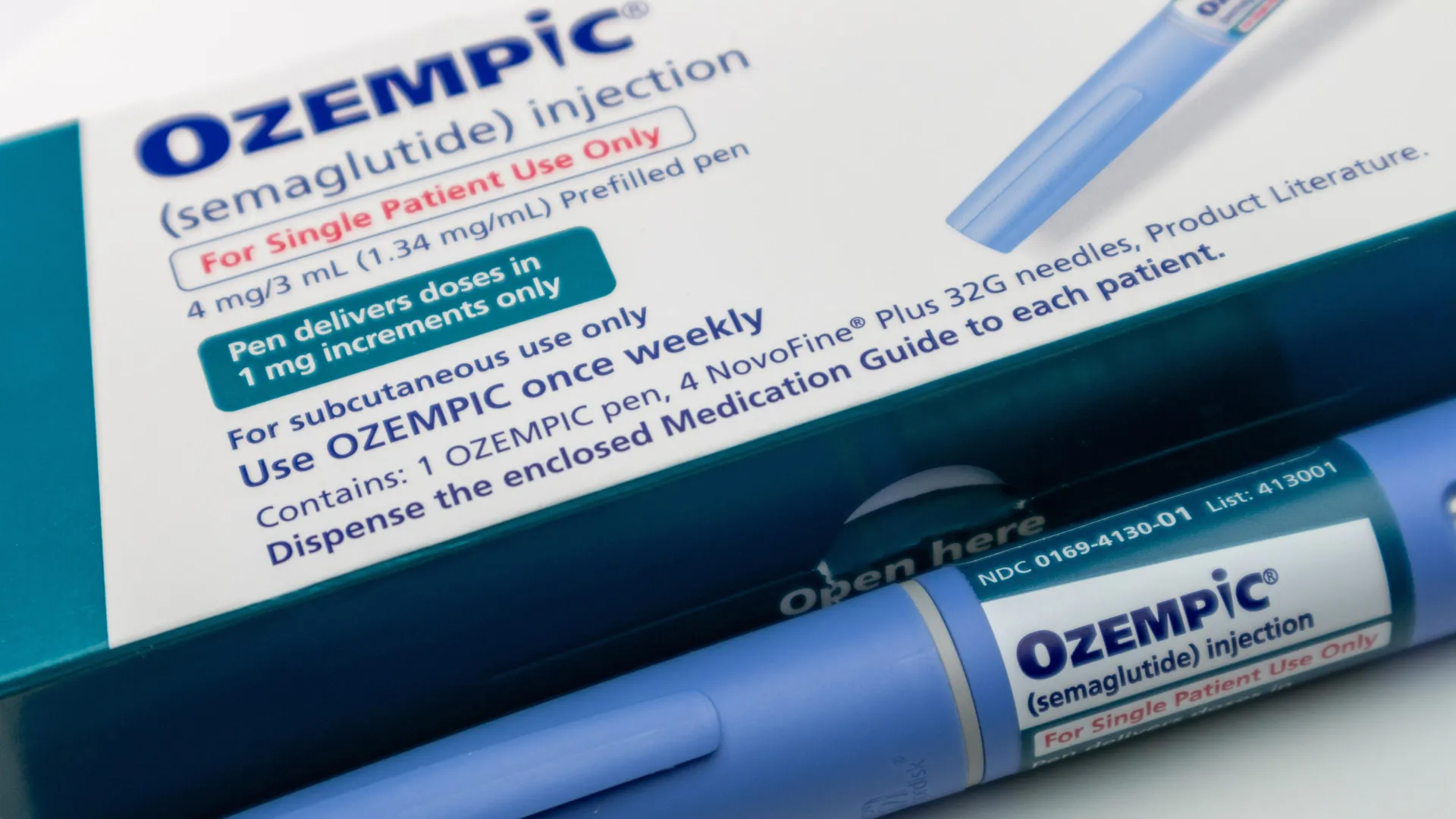
A groundbreaking analysis of the STEP clinical trial series has provided the most robust evidence to date regarding the use of semaglutide—the active pharmaceutical ingredient in blockbuster weight-loss medications Wegovy and Ozempic—among adults aged 65 and older. The findings, led by Professor Luca Busetto of the University of Padova, suggest that the medication is highly effective for this demographic, delivering significant weight reduction and tangible improvements in cardiometabolic health markers without compromising safety to a degree that would preclude its clinical use.
As global populations continue to age, the prevalence of obesity in the elderly has emerged as a critical public health concern. Historically, medical practitioners have been cautious about prescribing intensive weight-loss pharmacotherapies to older adults, citing concerns regarding frailty, polypharmacy, and the increased vulnerability of this age group to adverse health events. This new study, which aggregates data from six major STEP trials, offers a compelling counter-narrative, suggesting that chronological age should not be a primary barrier to accessing effective obesity treatment.
The Core Facts: Bridging the Knowledge Gap
For years, clinical trials for GLP-1 receptor agonists have predominantly focused on younger and middle-aged adults. While this has established the efficacy of semaglutide in the general population, it left a "clinical vacuum" regarding the elderly. Older patients are frequently excluded from trials due to pre-existing comorbidities, such as cardiovascular disease, kidney impairment, or simply the presence of multiple concurrent medications.
The analysis led by Prof. Busetto sought to rectify this by pooling data from the STEP 1, 3, 4, 5, 8, and 9 trials. By isolating the cohort of participants aged 65 and older who were living with obesity but did not have a diagnosis of diabetes, the researchers were able to create a clean, comparable dataset. The study focused on 358 participants who met the stringent criteria—a body mass index (BMI) of at least 30 kg/m², or 27 kg/m² in the presence of at least one weight-related complication.
The results were striking: at the 68-week mark, those on the 2.4 mg weekly semaglutide regimen saw a 15.4% reduction in body weight, dwarfing the 5.1% seen in the placebo group. These numbers mirror the success rates seen in younger cohorts, effectively debunking the notion that metabolic resistance or age-related biological changes render the drug ineffective in the elderly.
Chronology of the Clinical Investigation
The journey to these findings involved a retrospective deep dive into the massive repository of the STEP (Semaglutide Treatment Effect in People with obesity) program.
Phase I: Trial Selection and Cohort Definition
Researchers filtered the extensive STEP trial data to exclude participants with diabetes. This decision was pivotal; in clinical trials, diabetes significantly alters metabolic baseline, often slowing weight loss and muddying the waters for researchers trying to isolate the drug’s primary effect on body mass. The final cohort consisted of 4523 individuals across multiple trials, from which the 358 participants aged 65 or older were selected.
Phase II: The 68-Week Assessment
The study tracked participants over 68 weeks—a timeframe long enough to observe not just initial fluid loss, but sustained, significant reduction in adipose tissue. Participants were randomly assigned to either the 2.4 mg semaglutide dose or a placebo. To ensure a holistic approach to weight management, all participants were enrolled in a lifestyle intervention program, which included nutritional counseling and physical activity guidelines. In the STEP 3 trial, this was augmented by intensive behavioral therapy, ensuring that the results were reflective of "best-practice" weight management.
Phase III: Longitudinal Monitoring
Throughout the 68-week period, researchers monitored a spectrum of health indicators. These included not just weight on a scale, but waist-to-height ratios (a key indicator of visceral fat), cholesterol panels, blood pressure readings, and high-sensitivity C-reactive protein (hs-CRP), a marker of systemic inflammation.
Supporting Data: Quantifying Success
The data demonstrates that the efficacy of semaglutide is not merely statistical but transformative for the individuals involved.
Weight Loss Milestones
The study categorized weight loss by milestones, providing a clear picture of the drug’s impact:
- The 10% Milestone: 66.5% of the semaglutide group achieved at least 10% weight loss, compared to only 15.5% in the placebo group.
- The 15% Milestone: Nearly half (46.8%) of the treatment group shed 15% or more of their body weight.
- The 20% Milestone: Over a quarter (28.6%) of those taking the medication achieved a 20% reduction, a figure that is historically associated with significant improvements in life expectancy and physical mobility.
Cardiometabolic Benefits
Beyond the scale, the physiological improvements were significant. Waist circumference, which is highly correlated with cardiovascular risk in the elderly, dropped by an average of 14.3 cm in the treatment group, compared to just 6.0 cm in the placebo group. Furthermore, significant improvements were noted in blood pressure, glycemic control (HbA1c levels), and lipid profiles. By the end of the study, 27% of those on semaglutide achieved a "healthy" BMI of under 27 kg/m², a status only 5.5% of the placebo group reached.
Official Responses and Safety Considerations
The safety profile remains the most scrutinized aspect of the study. While the headline efficacy is positive, the researchers were transparent about the adverse events (AEs).
The Safety Profile
Overall, 89.1% of the semaglutide group reported some form of adverse event, compared to 84.5% in the placebo group. While these percentages appear high, they are common in clinical trials where every minor event, such as a mild headache or a brief bout of nausea, is recorded.
The more critical finding was the incidence of serious adverse events (SAEs), which occurred in 19% of the semaglutide group versus 12.7% of the placebo group. While this gap necessitates careful clinical monitoring, the researchers noted that the specific causes of these events were not disproportionately skewed toward dangerous side effects like severe hypoglycemia or fractures, which remained under 1% in both groups. Common, expected side effects included mild gastrointestinal distress, such as constipation and occasional dizziness.
Expert Perspectives
Prof. Busetto emphasized that while the medication is potent, it must be integrated into a comprehensive care plan. "In many high-income countries, the majority of excess weight cases occur in adults aged 65 and over," Busetto noted. He argued that because obesity in this age group is a primary driver of disability and reduced quality of life, the benefit-risk ratio strongly favors treatment, provided patients are screened and monitored by healthcare professionals.
Implications: The Future of Geriatric Obesity Care
The findings of this analysis have profound implications for clinical practice and public health policy.
Redefining Geriatric Care
For too long, the medical community has viewed the "weight loss journey" as a pursuit for the young. This study forces a paradigm shift. With clear evidence that older adults can lose weight effectively and improve their cardiometabolic health, geriatricians and primary care physicians may be more empowered to offer semaglutide as a standard intervention rather than a niche treatment.
Economic and Quality-of-Life Impacts
Obesity in the elderly is a massive drain on healthcare systems, driving costs related to diabetes management, joint replacements, cardiovascular interventions, and long-term care for mobility-related disabilities. By reducing the burden of excess weight, semaglutide has the potential to keep older adults independent and active for longer, potentially reducing the societal cost of chronic care.
The Need for Continued Vigilance
Despite the positive findings, the medical community remains cautious. The study suggests that while semaglutide is effective, it is not a "magic bullet." The success of the participants was linked to the underlying lifestyle interventions. Future clinical guidelines will likely stress that for the elderly, medication must be paired with adequate protein intake and resistance training to ensure that the weight lost is primarily fat, rather than the muscle mass that is already prone to decline in this age group (sarcopenia).
Final Assessment
The research led by the University of Padova confirms that semaglutide is a viable, high-impact tool in the geriatric medicine toolkit. By providing a safe and effective path to significant weight loss, it offers a new lease on life for older adults struggling with obesity. As the global population ages, this analysis serves as a cornerstone for future clinical practice, suggesting that with the right monitoring and supportive care, the benefits of advanced weight-loss pharmacotherapy can be safely extended to those in their golden years.