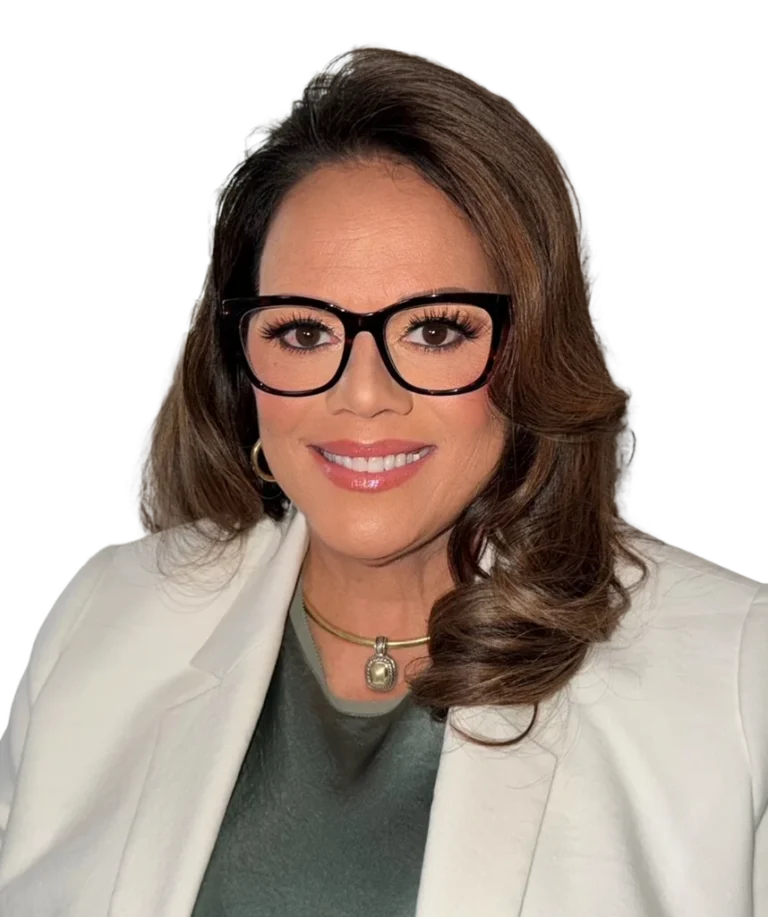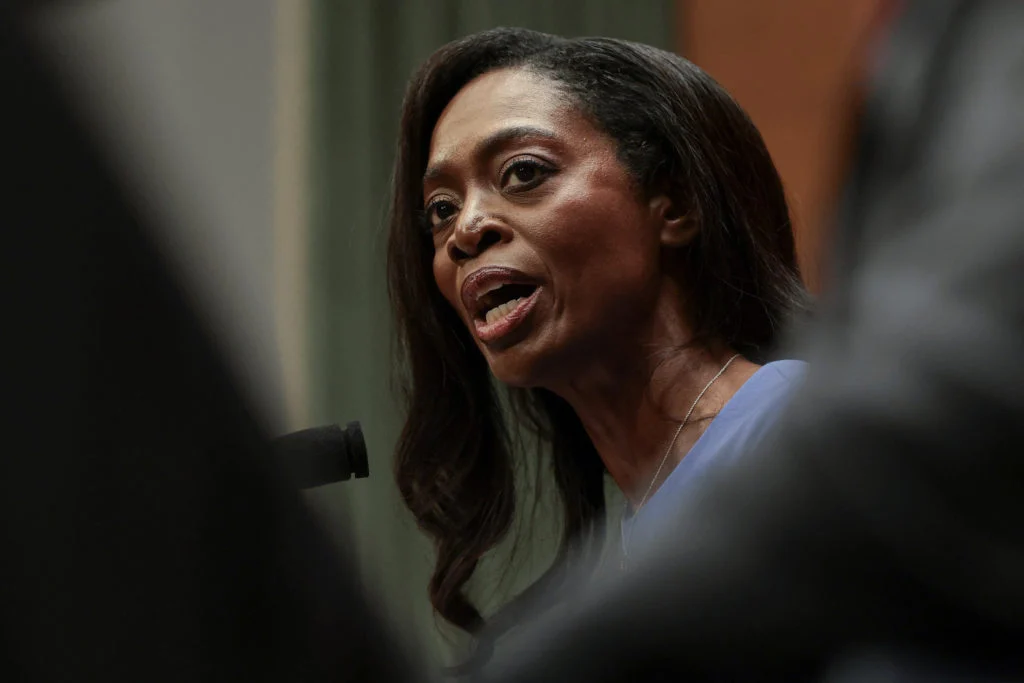
WASHINGTON, D.C. — In a pivotal move for the future of American public health, the Senate Health, Education, Labor and Pensions Committee voted on Thursday to advance the nomination of Dr. Erica Schwartz to lead the Centers for Disease Control and Prevention (CDC). The vote, which largely followed party lines, serves as a significant hurdle cleared for the 54-year-old nominee, though it brings to the forefront a deepening national debate regarding the sanctity of scientific integrity within federal agencies.
If confirmed by the full Senate, Dr. Schwartz will assume the mantle as the 22nd director of the Atlanta-based agency. Her ascent comes at a precarious time for the institution, which has faced a year of unprecedented internal turmoil, mass resignations, and persistent allegations of political interference from the executive branch.
The Path to Nomination: A Shift in Sentiment
Dr. Schwartz’s journey toward confirmation was far from guaranteed. Earlier this month, her performance during a high-stakes confirmation hearing before the Senate committee left many observers—and some key lawmakers—deeply skeptical. Senator Bill Cassidy (R-La.), the committee chairman, had publicly voiced significant concerns regarding whether Dr. Schwartz possessed the fortitude to resist potential mandates from the Department of Health and Human Services (HHS) led by Robert F. Kennedy Jr.
The tension centered on the apprehension that the CDC, under the current administration, might be pressured to adopt policies that prioritize political ideology over established medical consensus. However, following a series of private discussions held in the days leading up to the vote, Senator Cassidy signaled a change of heart.
"I’m confident that she knows what she is doing and will stand against those who do not," Cassidy stated, providing the essential backing required for the nomination to proceed to the Senate floor. Despite this pivot, the move faced stiff opposition from members like Sen. Bernie Sanders (I-Vt.), who remains unconvinced of the administration’s commitment to evidence-based governance.
"The issue at hand is not complicated," Sanders remarked during the committee’s deliberations. "Will we have people in the Trump administration who have the guts to stand up to people who are anti-science and into conspiracy theories?"
Chronology of Institutional Turmoil
The CDC’s current instability is not an isolated incident but the result of an eighteen-month period of high-level administrative volatility. Since President Donald Trump’s return to office, the agency has effectively been in a state of flux.
- Early 2025: Dr. David Weldon, the President’s initial nominee for the CDC directorship, saw his confirmation hearing canceled abruptly in March 2025 due to a lack of support within the Senate.
- Spring 2025: Susan Monarez was installed as acting director and subsequently confirmed, only to be terminated less than a month later. Administration officials cited a lack of alignment with the President’s agenda as the reason for her sudden departure.
- April 2025: Dr. Erica Schwartz was formally nominated. Her resume—which includes a medical degree, a law degree, experience as deputy surgeon general, and a leadership role in the U.S. Coast Guard—initially offered a glimmer of hope to a demoralized workforce.
- July 2025: During her confirmation hearing, Dr. Schwartz pledged to "never betray the science," yet her refusal to directly dissent from controversial actions taken by HHS Secretary Robert F. Kennedy Jr. sparked backlash from advocacy groups.
- Late 2025: The Senate committee advances her nomination, setting the stage for a final floor vote.
Supporting Data: A Hollowed-Out Agency
The CDC’s operational capacity has been severely degraded over the past year. Current reports indicate that the agency has lost more than 3,000 employees—roughly one-quarter of its total workforce. This "brain drain" consists of both layoffs and voluntary resignations by career scientists and public health experts who have grown disillusioned with the shifting political landscape.
The departure of institutional knowledge has left the front office increasingly staffed by political appointees with limited backgrounds in public health or medicine. This vacuum has led to a collapse in internal morale and a decline in public trust. A recent national poll revealed that only 50% of U.S. adults now trust the CDC’s public health recommendations, a historic low that poses a threat to national health security.
Official Responses and Criticisms
The nomination has elicited a polarized response from the public health community. The National Public Health Coalition, an organization representing current and former CDC staff, issued a stinging critique following the hearing. "The public needed to hear clear commitments about how she would protect CDC guidance from political pressure," the group stated. "Too often, her stated commitments were incomplete, vague, or missing."
The coalition highlighted specific instances of concern, including Dr. Schwartz’s lack of awareness regarding the curtailment of programs dedicated to smoking cessation and vaccination promotion. Furthermore, when questioned about a CDC website page that suggests a link between childhood vaccines and autism—a claim rejected by the global scientific community—Dr. Schwartz stated she had not reviewed the page, though she acknowledged the lack of scientific evidence supporting the link.
Conversely, some veteran public health figures view the nomination as a pragmatic necessity. Dr. Georges Benjamin, executive director of the American Public Health Association, acknowledged that while Dr. Schwartz’s answers were at times frustrating, she remains the most qualified candidate capable of navigating the current administration’s bureaucracy.
"She is qualified, might be able to rebuild the CDC’s depleted command structure and could start to rebuild public trust by focusing on bipartisan concerns like foodborne disease outbreaks," Benjamin noted in an interview.
Dr. Daniel Jernigan, who resigned his senior position at the CDC in August, warned that failure to confirm Dr. Schwartz would leave the agency "rudderless." Jernigan argued that for Secretary Kennedy, a failed nomination would be a victory, granting the administration more time to continue its anti-science and anti-vaccine agenda without oversight.
Implications: Science vs. Politics
The controversy surrounding Dr. Schwartz is a microcosm of a larger national struggle over the independence of scientific agencies. The actions of Secretary Kennedy, who had previously promised not to alter childhood vaccine schedules before attempting a significant overhaul, have left the medical community on edge. While a federal judge has placed some of Kennedy’s initiatives on hold, the chilling effect on agency staff remains profound.
The fundamental question remains whether the CDC can regain its role as an objective, evidence-based beacon for the American public. Dr. Schwartz’s nomination is, for some, a test of whether the agency can survive the current political environment or if it will be permanently reshaped into a political instrument.
As the Senate prepares for a final vote, the eyes of the global scientific community remain fixed on Washington. For the supporters of the nomination, Dr. Schwartz represents a firewall—a capable leader who can navigate the complexities of the executive branch while quietly protecting the core mission of the CDC. For the critics, she represents a compromise that may ultimately prove insufficient to protect the agency from ideological encroachment.
The outcome of the upcoming confirmation vote will likely determine not only the direction of the CDC for the remainder of the presidential term but also the long-term credibility of the federal government’s public health infrastructure. Whether she can strike a balance between political loyalty and scientific integrity will be the defining challenge of her tenure, should she be confirmed.