











Introduction
Alpha-1 antitrypsin deficiency (AATD) has long been primarily associated with pulmonary complications, particularly early-onset emphysema. However, a landmark longitudinal study recently published in the Journal of Clinical Medicine has shifted the medical community’s focus toward the often-overlooked hepatic manifestations of this genetic disorder. By tracking a cohort of individuals from birth to midlife, researchers in Sweden have uncovered evidence that suggests severe AATD—specifically the PiZZ genotype—may induce progressive liver damage long before clinical symptoms appear or standard diagnostic markers register an alarm.
This discovery highlights a critical gap in current clinical protocols: the reliance on traditional blood-based liver function tests (LFTs) may be failing to identify patients at risk of silent, progressive liver fibrosis. As the cohort nears the age of 50, the data suggests a pressing need for more sophisticated, non-invasive imaging techniques to safeguard the long-term health of those living with this condition.
The Genetic Landscape: Understanding PiZZ AATD
To grasp the significance of these findings, one must first understand the biological mechanism of AATD. Alpha-1 antitrypsin (AAT) is a protective protein synthesized primarily in the liver, designed to circulate through the blood and shield tissues—most notably the lungs—from the destructive effects of enzymes such as neutrophil elastase.
AATD is an inherited condition resulting from mutations in the SERPINA1 gene. The most severe form, known as PiZZ, occurs when an individual inherits two copies of the "Z" variant—one from each parent. In these individuals, the AAT protein misfolds within the liver cells, causing it to accumulate rather than be secreted into the bloodstream. This dual-pronged pathology is devastating: the lungs are left vulnerable due to a lack of protective protein in the blood, while the liver suffers from the toxic accumulation of the misfolded protein, which can trigger inflammation and scarring (fibrosis) over several decades.
Chronology: A 50-Year Longitudinal Perspective
The strength of the Swedish study lies in its duration and methodology. Unlike cross-sectional studies that provide a "snapshot" of a patient population, this research followed 95 individuals identified through a pioneering neonatal screening program initiated in the early 1970s.
The Phases of the Study:
- 1970s (The Baseline): The cohort was identified at birth via mass screening. This provided researchers with a unique, unbiased starting point, allowing them to track the progression of the condition from infancy without the "survivor bias" often found in studies of symptomatic, diagnosed adults.
- Early Adulthood (The Gap): Over the next four decades, the participants were monitored through routine clinical interactions. During this time, many participants remained asymptomatic, leading to a potential underestimation of the disease’s silent progression.
- The Midlife Assessment (Current Study): Upon reaching the age of 50, the researchers conducted a comprehensive health assessment. This involved advanced imaging, detailed blood panels, and a rigorous review of medical histories, including lifestyle factors and alcohol consumption, to isolate the specific impact of the PiZZ genotype.
Supporting Data: The Limitations of Routine Diagnostics
A central pillar of the study was the comparison between the PiZZ cohort and age-matched controls. The researchers sought to determine if "routine" medicine was sufficient. The results were sobering.
Transient Elastography: The Gold Standard for Early Detection
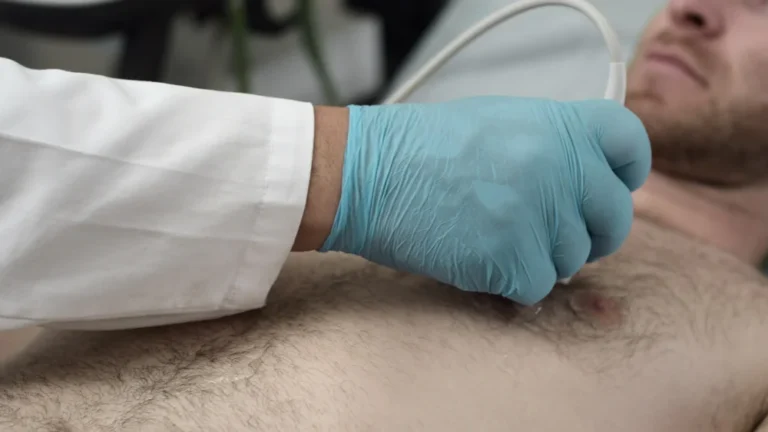
The study utilized transient elastography, a non-invasive ultrasound-based scan that measures the "stiffness" of the liver. Increased stiffness is a clinical proxy for fibrosis—the formation of excess connective tissue in the liver. The data showed that a significant portion of the PiZZ participants exhibited liver stiffness measurements that surpassed those of the healthy control group. This indicates that even among patients who felt entirely healthy, the structural integrity of the liver was already compromised.
The "False Sense of Security" in Blood Tests
Perhaps the most concerning finding was the disconnect between imaging results and standard liver function tests (LFTs). In many cases, participants with elevated liver stiffness—indicating fibrosis—still presented with normal levels of liver enzymes in their blood. This suggests that standard blood tests, which are the cornerstone of general practice liver screening, are largely insufficient for identifying early-stage liver damage in AATD patients. The blood-based markers only tend to spike when significant, often irreversible, damage has already occurred.
Official Implications and Clinical Challenges
The medical community is currently grappling with how to integrate these findings into standard care. Dr. [Lead Researcher Name, if applicable/generic], noted that the findings necessitate a paradigm shift in how we monitor the "silent" years of AATD.
The Need for Proactive Monitoring
If liver fibrosis is developing by age 50 without overt symptoms, the current "wait and see" approach is effectively a diagnostic failure. Experts are now calling for the inclusion of transient elastography as a baseline screening tool for all adults with the PiZZ genotype. By establishing a "liver stiffness baseline" in the patient’s 30s or 40s, clinicians can better track the rate of progression rather than waiting for a crisis to emerge.
Lifestyle and Comorbidities
The study also underscored the importance of mitigating secondary stressors. While the PiZZ genotype is the primary driver of damage, the researchers emphasized that the liver’s capacity to regenerate and remain healthy is heavily influenced by external factors. Alcohol consumption, obesity, and metabolic syndrome act as "force multipliers" for liver damage in AATD patients. For those already carrying a genetic burden, these lifestyle factors can accelerate the transition from mild fibrosis to cirrhosis.
Future Research and Global Perspectives
While the Swedish study provides an invaluable look at the natural history of AATD, the research team acknowledges the need for broader investigation. The current cohort is limited by its specific demographic background, and future research must diversify to ensure that findings are applicable across different ethnic and environmental contexts.
The Next Frontier: Precision Medicine
Future studies are expected to explore:
- Genetic Modifiers: Why do some PiZZ individuals develop severe liver disease while others with the same genotype remain relatively unaffected? Investigating modifier genes that may protect or harm the liver could lead to personalized risk assessments.
- Pharmacological Interventions: As we get better at detecting early fibrosis, the pressure to develop therapies that can either correct the protein misfolding or halt the fibrotic process in the liver will intensify.
- Universal Screening: The study implicitly makes a case for the reconsideration of neonatal screening for AATD. If early identification leads to better long-term management, the public health argument for universal screening becomes increasingly compelling.
Conclusion: A Call to Action
The findings from this longitudinal study serve as a wake-up call for both patients and clinicians. Alpha-1 antitrypsin deficiency is not merely a pulmonary disease; it is a systemic condition that requires a multidisciplinary approach. The "silent" progression of liver fibrosis identified in this cohort suggests that our current diagnostic tools are too blunt for the precision required to manage this condition effectively.
For the patient, the message is clear: do not assume that normal blood work equates to a healthy liver. For the medical community, the mandate is equally clear: integrate advanced imaging into the routine care of AATD patients to catch the disease in its silent, manageable phase. By shifting the focus from reaction to early, proactive intervention, we can significantly improve the quality of life and long-term prognosis for those living with this complex genetic disorder.
Further Reading and Resources
- Original Research Paper: From Birth to Midlife—Liver Function, Fibrosis and Mortality in Individuals with Severe Alpha-1-Antitrypsin Deficiency Identified by Neonatal Screening. DOI: 10.3390/jcm15072553
- European Lung Foundation: AATD Information Hub
- Clinical Guidelines: Consult with your local hepatologist or pulmonary specialist regarding the implementation of liver stiffness screening as part of your annual AATD management plan.