











In the quiet of the night, while the body rests, the brain remains a hub of complex activity. For decades, researchers have understood that sleep is essential for cognitive maintenance, yet the precise mechanisms linking the quality of our slumber to long-term neurological health have remained elusive. A groundbreaking study recently published in the journal Sleep has provided a significant piece of this puzzle, suggesting that the frequency of nocturnal micro-awakenings in middle-aged adults acts as a potential biomarker for a higher genetic predisposition to neurodegenerative conditions, specifically Alzheimer’s disease.
Conducted by a multidisciplinary team at the University of Liège (ULiège), with the strategic support of the Stop Alzheimer’s Foundation, this research represents a shift in how medical science approaches the "silent" stages of brain disease. By bridging the gap between genetic risk profiles and observable sleep architecture, the study offers a new, non-invasive avenue for identifying vulnerability years, or even decades, before the onset of clinical cognitive decline.
Main Facts: Deciphering the Sleep-Alzheimer’s Connection
At the heart of the research is the concept of the "polygenic risk score." This metric aggregates the combined influence of various genetic variants that, while individually subtle, collectively shift an individual’s probability of developing Alzheimer’s disease. The ULiège researchers applied this score to a cohort of over 500 healthy individuals, ranging from young adults (18 to 31) to middle-aged participants (50 to 69).
The researchers discovered a striking correlation: among the middle-aged cohort, those with a higher polygenic risk for Alzheimer’s exhibited a significantly higher frequency of "nocturnal micro-awakenings." These are defined as brief, fleeting shifts in brain activity that occur during sleep. Crucially, these events are often so subtle that the sleeper remains unaware of them, yet they are sufficient to disrupt the continuity of the sleep cycle.
Unlike standard insomnia or sleep apnea, which are characterized by prolonged wakefulness or respiratory distress, these micro-awakenings represent a nuanced fragmentation of the sleep architecture. The study found that this specific disruption was absent in the younger adult group, suggesting that as the brain ages, the biological machinery responsible for maintaining deep, restorative sleep becomes increasingly sensitive to the neurobiological "load" created by genetic risk factors.
Chronology of the Research and Methodology
The project was structured as a longitudinal comparative study, designed to isolate sleep patterns from external lifestyle variables.
- Cohort Recruitment: The team assembled a diverse group of 500 healthy subjects. The inclusion of two distinct age brackets—early adulthood and middle age—was deliberate, allowing researchers to determine whether these sleep disruptions were a lifelong trait or a phenomenon that emerges as the brain enters the pre-clinical stage of neurodegeneration.
- Genetic Profiling: Each participant underwent genetic screening to establish their specific polygenic risk score. This data provided the "baseline" for susceptibility to Alzheimer’s, independent of their current cognitive state.
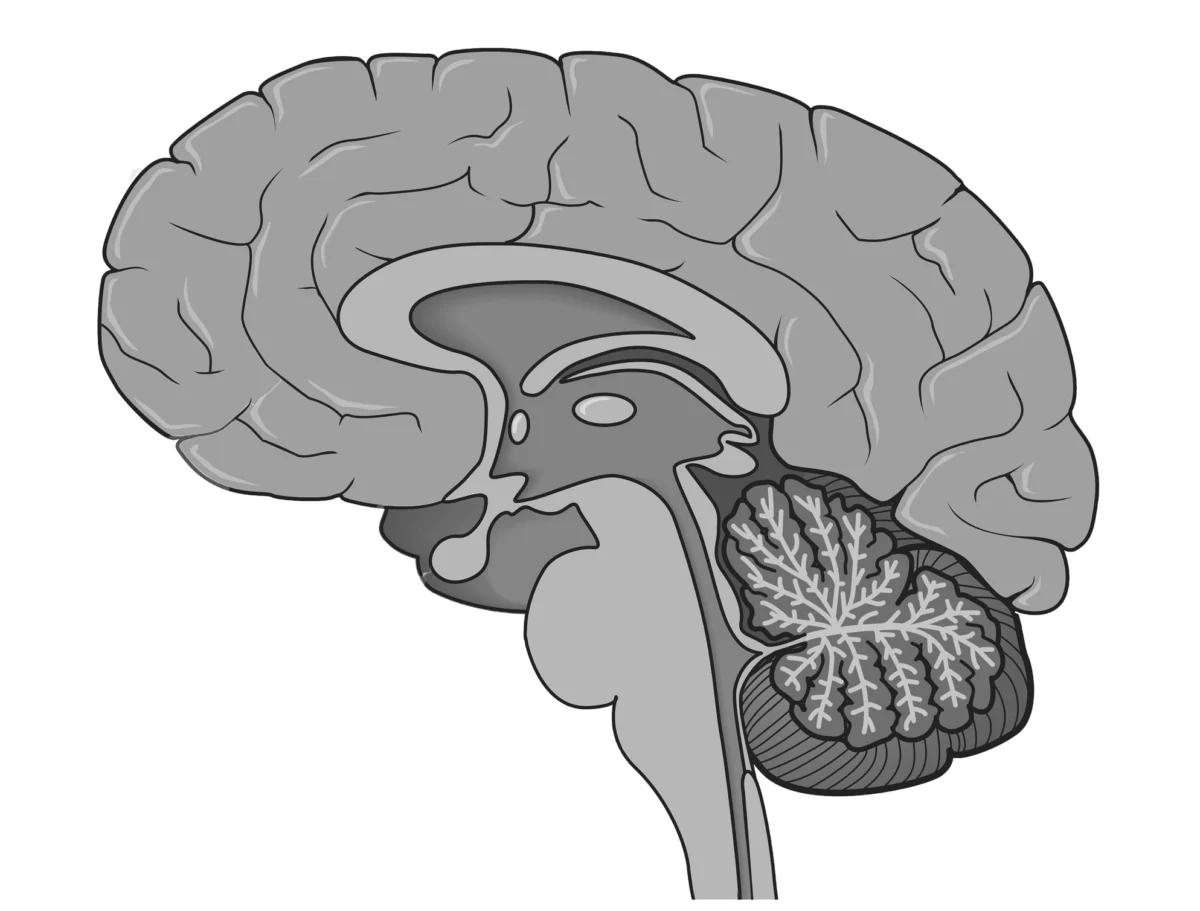
- Sleep Analysis: Utilizing advanced polysomnography and sophisticated brain imaging techniques, the team monitored the subjects’ sleep patterns. They paid particular attention to the "locus coeruleus," a tiny, noradrenergic-rich structure in the brainstem. This region is critical for regulating arousal, attention, and the sleep-wake cycle.
- Statistical Integration: The final phase involved mapping the frequency of micro-awakenings against the polygenic risk scores. The statistical significance of the link in middle-aged subjects became the study’s primary discovery, confirming that sleep instability is not merely a consequence of aging but is inextricably linked to underlying genetic vulnerability.
Supporting Data: The Role of the Locus Coeruleus
The focus on the locus coeruleus (LC) provides a physiological anchor for the study’s findings. The LC is one of the brain’s most vital regulatory hubs, yet it is also one of the first regions to show signs of pathology in patients who eventually develop neurodegenerative disease.
Scientific literature has long suggested that protein deposits associated with Alzheimer’s—such as tau protein—can appear in the brainstem as early as adolescence. The ULiège researchers posit that the LC, being tasked with the heavy lifting of maintaining wakefulness and sleep stability, becomes compromised by these early-stage protein accumulations. When the LC’s function is impaired, the brain loses its ability to sustain stable, deep sleep states, resulting in the micro-awakenings observed in the study.
This observation is critical because it suggests that the brain’s "early warning system" is located in the brainstem, a region that has historically been difficult to observe with standard clinical imaging. By linking sleep-cycle fragmentation to the health of the LC, the study provides a mechanistic explanation for why sleep quality serves as an early indicator of future cognitive health.
Official Responses and Expert Perspectives
The academic and clinical community has reacted with cautious optimism, acknowledging that while the findings are robust, they are currently statistical associations rather than diagnostic certainties.
Puneet Talwar, a researcher at the GIGA ULiège laboratory, emphasized the shift in how we must view these minor sleep disturbances. "These micro-awakenings are therefore not insignificant," Talwar stated in an official release. "Our data indicates that certain sleep profiles may actively promote the accumulation of proteins involved in Alzheimer’s disease, effectively creating a feedback loop that increases vulnerability."
Gilles Vandewalle, co-director of the GIGA CRC In Vivo Imaging technology platform and a research director at the Fund for Scientific Research (FNRS), highlighted the technological leap the study represents. "The locus coeruleus is notoriously difficult to observe, but it appears to be central to the early mechanisms linked to the disease. If we can use sleep as a window into the health of this region, we can effectively screen for at-risk individuals before any clinical symptoms manifest," Vandewalle noted.
Lucie Leroux, head of French-speaking activities at the Stop Alzheimer’s Foundation, underscored the societal potential of these findings. "This research fundamentally changes our understanding of the role of rest. Sleep is not merely an indicator of general health; it is a potential lever for intervention. If we can identify who is at risk through sleep monitoring, we open the door to early-stage behavioral or pharmacological interventions that could potentially delay the onset of the disease."
Implications for Future Screening and Prevention
The implications of this research are far-reaching for the fields of neurology, geriatrics, and preventative medicine. Currently, the diagnosis of Alzheimer’s often occurs when symptoms—such as memory loss and cognitive impairment—are already advanced. At this stage, the biological damage is often irreversible.
1. Shift Toward Early Detection
If sleep analysis can be refined into a standard screening tool, it could be integrated into routine physical examinations for adults in their 50s. This would provide a "risk profile" long before a patient experiences cognitive decline, allowing for proactive health management.
2. Sleep as a Therapeutic Target
The findings suggest that sleep hygiene might be more than just a lifestyle preference; it may be a preventative medical strategy. If researchers can prove that reducing micro-awakenings helps clear the brain of toxic proteins, then improving sleep quality could become a primary treatment modality for those with a high genetic risk.
3. Precision Medicine
The use of polygenic risk scores combined with sleep data is a hallmark of precision medicine. By moving away from a "one-size-fits-all" approach to cognitive aging, doctors may soon be able to offer personalized advice based on a patient’s unique genetic makeup and sleep architecture.
Limitations and Future Directions
Despite the breakthrough nature of the ULiège study, the researchers are careful to manage expectations. They stress that these findings are currently based on statistical associations. A higher frequency of micro-awakenings does not mean an individual is guaranteed to develop Alzheimer’s, nor does a healthy sleep pattern guarantee immunity from the disease.
The next phase of this research will involve longitudinal tracking of the current participants to see if those with the highest micro-awakening frequency do, in fact, show faster rates of cognitive decline or biomarker accumulation over the next decade. Furthermore, the researchers aim to explore whether external interventions—such as cognitive behavioral therapy for sleep or specific pharmacological agents—can reduce the frequency of these awakenings and, consequently, alter the trajectory of the disease.
In conclusion, the study serves as a poignant reminder that the hours we spend in bed are not "lost" time. Instead, they represent a critical window of biological maintenance. As science continues to unlock the mysteries of the brain, the simple act of sleep is increasingly revealed to be one of our most powerful, and perhaps our most accessible, defenses against the devastating impact of neurodegenerative conditions. By listening to what our sleep patterns are telling us, we may be gaining the ultimate tool for preserving the longevity of the human mind.