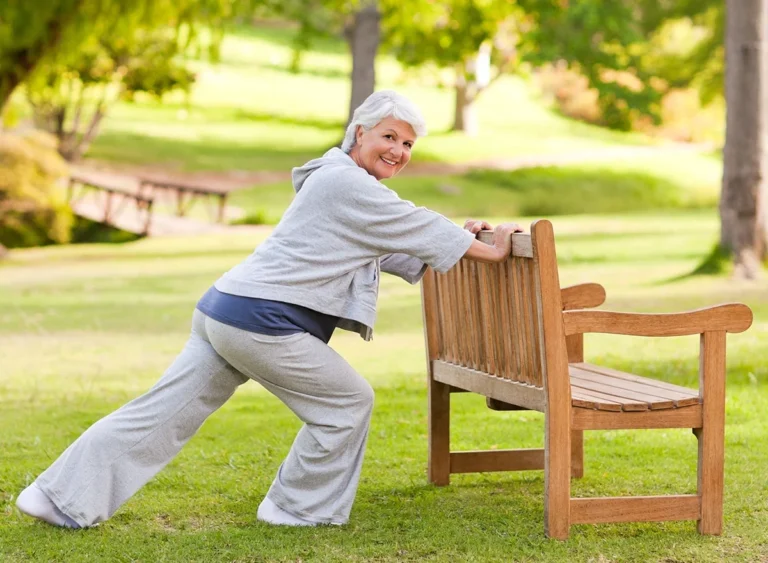








As we navigate the middle chapters of life, the body undergoes a series of subtle, often overlooked transitions. While many focus on cardiovascular health or weight management, there is one critical pillar of longevity that often flies under the radar until it becomes a problem: balance. For adults over 45, the preservation of stability is not merely a fitness goal; it is a foundational requirement for long-term independence and quality of life.
Maintaining balance is a complex neurological and physical dance. It requires the seamless coordination of your vision, your inner ear (vestibular system), and your proprioception—the body’s ability to perceive its own position in space. As we age, the natural decline of muscle mass, known as sarcopenia, combined with joint stiffness and reduced sensory input, can lead to a gradual loss of equilibrium. Addressing these changes early is the most effective strategy to ensure you remain active, confident, and fall-free.
The Reality of Fall Prevention: Why Balance Matters
According to data from the Centers for Disease Control and Prevention (CDC), falls are the leading cause of injury-related visits to emergency rooms for adults over the age of 65. The consequences of a fall at this stage of life can be life-altering, often resulting in fractures or long-term mobility issues.
However, the path to stability is not found in complex machinery or extreme athleticism. It lies in targeted, functional training. By focusing on muscle memory and strengthening neural pathways, individuals can drastically reduce their risk of mis-stepping, tripping, or stumbling. When you train your body to recover from small shifts in gravity, you aren’t just exercising; you are building a safety net that protects your daily independence.
Expert Insight: Why Yoga Isn’t Always Enough
To understand how to best cultivate this stability, we spoke with Elizabeth "Liz" Hilliard, a renowned Certified Pilates Instructor and the owner of the Hilliard Studio Method. Hilliard has spent years helping women across all life stages build robust, healthy bodies.
While yoga is frequently lauded for its health benefits, Hilliard offers a nuanced perspective on why it may not be the complete solution for age-related balance decline. "Yoga primarily develops proprioception and mobility," Hilliard explains. "However, it often underloads the vestibular system and fails to build the specific type of strength required for reactive recovery—the ability to catch yourself when you trip."
To truly optimize balance, Hilliard suggests that a routine must address three essential functions: proprioception (spatial awareness), vestibular function (balance and orientation), and muscular strength (the power to stabilize).
A Five-Step Morning Routine for Lasting Stability
The following exercises are designed to be performed in the morning, serving as a "wake-up call" for your nervous system and muscles.
1. Single-Leg Stand with Eyes Closed
While standing on one leg is a common yoga pose, Hilliard introduces a critical modification: closing your eyes.
The Science: By removing visual cues, you force your vestibular system and proprioceptors to compensate. Since these are often the first systems to experience age-related decline, this exercise serves as both a diagnostic tool and a powerful training stimulus.
- How to do it: Stand near a wall or sturdy chair for safety. Lift one foot slightly off the ground. Once stable, gently close your eyes and attempt to hold the position for 20–30 seconds.
2. Heel-to-Toe Tandem Walk
Most walking exercises involve a wide, stable base. The tandem walk, however, mimics the narrow base of support your body actually relies on during moments of instability.
The Science: This drill trains gait stability directly. By stacking your steps, you challenge your core and lower body to maintain a straight line, effectively "teaching" your brain how to handle narrow corridors and uneven terrain.
- How to do it: Place one foot directly in front of the other, with the heel of the front foot touching the toes of the back foot. Walk in a straight line for 15–20 steps, focusing on a fixed point ahead of you rather than looking down at your feet.
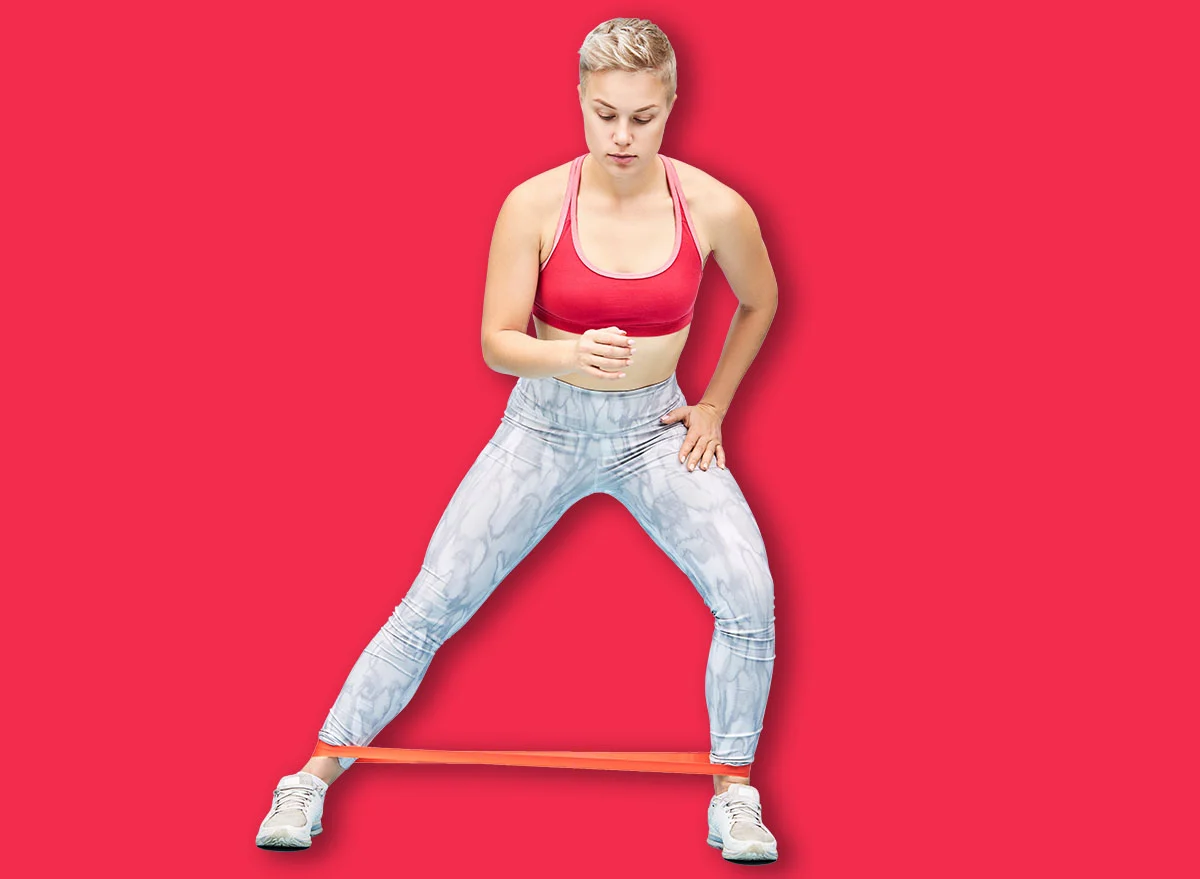
3. Lateral Band Walk
Balance is not just about standing still; it’s about having the strength to move laterally. Weak hip abductors are a major contributor to poor gait and falls.
The Science: "Improved strength in the lower body is one of the best ways to improve balance," says Hilliard. "Creating resistance with a loop band around the thighs while side-stepping strengthens the hip abductors, which are vital for stabilizing the pelvis during movement."
- How to do it: Place a resistance band around your thighs, just above the knees. With knees slightly bent and feet hip-width apart, take small, controlled steps to the side, maintaining tension on the band throughout the movement.
4. Calf Raises (Eccentric Focus)
Ankle strength is often the "missing link" in fall prevention. The muscles of the lower leg act as the body’s primary stabilizers when you encounter an unexpected trip.
The Science: "Ankle strength and plantar flexor power are among the strongest predictors of fall prevention," Hilliard notes. By performing calf raises on a step, you increase the range of motion, stretching the back of the leg and forcing the muscles to engage under tension.
- How to do it: Stand on the edge of a step with your heels hanging off. Slowly rise onto the balls of your feet, hold for a second, and then lower your heels below the level of the step to feel a deep stretch.
5. The Sit-to-Stand
This is perhaps the most functional movement for long-term independence. It requires eccentric control, which is the ability to lower yourself slowly and with control—a skill that prevents "plops" and keeps the knees and hips healthy.
The Science: By removing the use of your hands, you force the quadriceps and core to take the full load. This movement trains momentum management, a skill that is rarely addressed in static exercise classes but is essential for getting in and out of cars, chairs, and beds.
- How to do it: Stand in front of a sturdy chair. Cross your arms over your chest. Slowly lower your hips toward the chair, tapping it lightly, and then immediately return to a standing position without using your hands for leverage.
Implications: The Long-Term Impact of Consistent Movement
The shift from a "sedentary" mindset to one of "functional movement" is the single most important change an individual over 45 can make. When you integrate these movements into your morning routine, you are doing more than burning calories; you are investing in your future autonomy.
The Chronology of Decline vs. Resilience
- Age 45–50: Muscle loss (sarcopenia) begins to accelerate if not countered by resistance training. This is the prime window to start building a base.
- Age 55–60: Sensory processing speeds begin to taper. Balance exercises become essential to keep neural pathways firing at a youthful pace.
- Age 65+: The risk of fall-related injuries increases statistically. Those who have prioritized vestibular and strength training see significantly lower rates of hospitalization and recovery time from stumbles.
Why Morning Training Wins
Performing these exercises in the morning serves a dual purpose. First, it ensures consistency; by making it part of your "first cup of coffee" routine, you are less likely to skip it due to end-of-day fatigue. Second, it prepares your musculoskeletal system for the day ahead, waking up the stabilizers that will keep you safe during your daily commute, grocery shopping, or evening walks.
Final Thoughts: A Proactive Approach
The goal of aging well is not to stop the clock, but to ensure that the time you have is spent in full control of your movements. As Liz Hilliard emphasizes, building strength that translates to "reactive recovery"—the ability to save yourself when life throws you a curveball—is the true secret to longevity.
Start small. You do not need to master all five exercises on day one. Begin by incorporating one or two into your morning routine, and slowly add the others as your stability improves. By training the vestibular system and strengthening the muscles that support your frame, you are choosing a future defined by confidence, strength, and independence. Your future self will thank you for every step you take today.