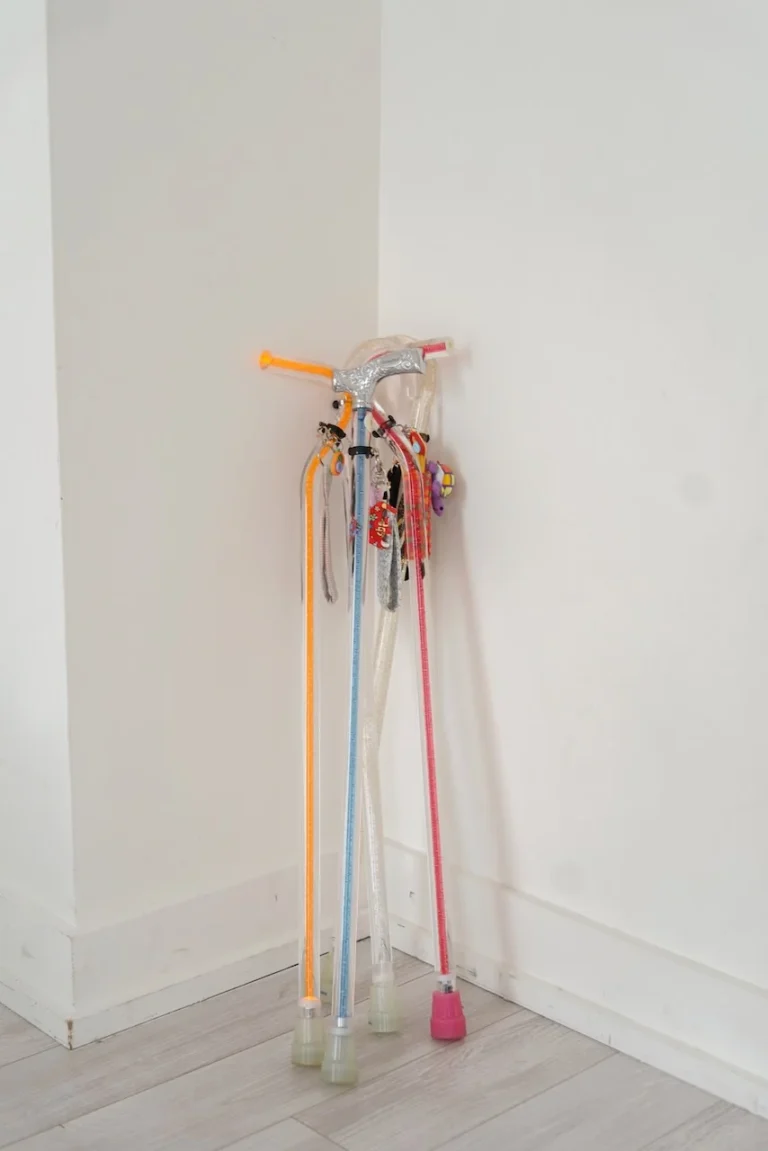












Imagine a marathon runner crossing the finish line. Spectators cheer, impressed by the physical endurance required to traverse 26.2 miles. Now, imagine that same runner crossing that line while carrying an invisible backpack filled with lead weights. To the observer, the finish is still impressive, but the true magnitude of the effort remains hidden. The runner’s silent, internal struggle—the sheer force of will required to combat the added resistance—is invisible to the crowd.
For millions of people living with Attention Deficit Hyperactivity Disorder (ADHD), this is not a metaphor; it is a daily reality. ADHD is a condition that is notoriously difficult to "spot," particularly for the millions who do not present with the stereotypical hyperactive traits or the obvious lack of focus often depicted in pop culture.
The Internal Chaos: A Personal Perspective
I grew up as the "model" student. I earned high grades, I stayed out of trouble, and I was never once a disruption in the classroom. Teachers saw a compliant, high-achieving child; they did not see the internal tempest. As early as the fourth grade, I was locked in a private war with debilitating anxiety and an overwhelming, paralyzing fear of rejection.
For over a decade, I operated on a razor’s edge, exerting Herculean effort just to keep my life on the rails. Simple tasks that come naturally to others—being on time, organizing a living space, or managing daily chores—required a level of executive functioning that left me perpetually exhausted. I lived this way without the support of medication or clinical validation, unaware that my struggles had a name. It wasn’t until I reached the age of 25 that I received an official ADHD diagnosis.
My story is not an outlier; it is a systemic failure. It is the story of millions who "mask" their symptoms until they reach a breaking point.
The Rise of ADHD in America: A Demographic Shift
Over the last three decades, the diagnostic landscape for ADHD has shifted dramatically. The Centers for Disease Control and Prevention (CDC) estimates that more than 7 million children aged 3 to 17 have been diagnosed with the disorder. While increased awareness and improved screening protocols in schools have contributed to this uptick, the data reveals a persistent gap in gender equity: boys remain nearly twice as likely to receive a diagnosis as girls, who often present with more internalizing, subtle symptoms that frequently go overlooked.
The surge in diagnoses since 2020 has brought the conversation into the national spotlight. However, while we have made strides in pediatric care, the adult population remains largely underserved. Despite the fact that roughly 6% of American adults live with ADHD, current estimates suggest that less than 20% will ever receive consistent, evidence-based care.
The Consequences of Untreated ADHD
When ADHD remains undiagnosed or untreated in adulthood, the consequences are rarely confined to "forgetfulness." The long-term impact on a person’s quality of life is profound. Untreated ADHD is clinically linked to:
- Academic and Career Instability: Difficulty with task initiation and sustained focus often leads to underachievement in school and persistent cycles of job loss.
- Comorbid Mental Health Issues: The exhaustion of "masking" symptoms often leads to severe anxiety, depression, and a higher predisposition toward substance use disorders.
- The Ultimate Risk: Research indicates that untreated ADHD significantly increases the risk of suicide, as patients often struggle to navigate the complex, high-pressure demands of modern society without appropriate coping mechanisms or pharmacological support.
As someone who suffered in silence for years, I contend that this status quo is unacceptable. The path forward begins with a radical transformation of the patient-provider relationship.

Navigating the Bureaucratic Hurdle
For an adult struggling with the symptoms of ADHD, the act of seeking help is, in itself, a diagnostic hurdle. The administrative burden of the modern healthcare system—finding a provider, navigating insurance portals, waiting on hold for hours, and managing the logistics of appointment scheduling—is often the exact set of skills that the patient is struggling to perform.
When a patient finally picks up the phone to request an appointment, they have already reached their limit. If they are met with a rigid, high-friction, or judgmental administrative process, they are likely to disengage. To better support this population, clinicians and healthcare organizations must adopt a "low-friction" model:
- Streamlined Intake: Providers should implement digital-first, simplified intake forms that do not require excessive paperwork or multi-step verification processes.
- Communication Flexibility: Acknowledge that the phone can be a barrier. Utilizing secure, asynchronous messaging or streamlined online scheduling can prevent the "drop-off" that occurs when patients are forced to navigate traditional call centers.
- Holistic Continuity: ADHD care should not be "prescribe and forget." It requires a multidisciplinary approach that includes coaching, behavioral therapy, and periodic, non-judgmental check-ins to monitor executive function.
Implications for the Future
The demographic trajectory is clear: the number of Americans diagnosed with ADHD is expected to rise by more than one million over the next six years. Our current healthcare infrastructure is not built to accommodate this influx.
We are facing a tipping point. If we do not adapt, we are essentially choosing to leave a growing segment of the population behind. The future of ADHD care must be rooted in empathy and accessibility. This means meeting patients where they are—whether that is through telehealth services that eliminate the need for travel, or by fostering a clinical environment that views ADHD not as a character flaw, but as a neurodevelopmental condition that requires proactive, outcomes-driven support.
Final Reflections
When a patient finally reaches out for help, it is the most critical moment in their journey. It is the moment they have admitted they can no longer carry the invisible backpack alone. As healthcare providers and systemic leaders, our response to that reaching hand must be decisive, compassionate, and efficient.
We must move beyond the antiquated stigma that ADHD is a "childhood issue" or a lack of discipline. We must recognize that every person living with ADHD is, in essence, running a marathon every single day. By simplifying the path to treatment, we can help them drop the heavy weight of the invisible struggle, allowing them not just to reach the finish line, but to thrive long after they cross it.
About the Author
Amber Gill is the CEO of Receptive, an organization dedicated to ensuring safe, compliant access to mental health treatment. Having been diagnosed with ADHD as an adult, Gill is a vocal advocate for systemic change in healthcare delivery. Her work focuses on removing the geographical, financial, and logistical barriers that prevent patients from receiving the care they deserve. Under her leadership, Receptive has scaled telehealth services across all 50 states, proving that high-quality, evidence-based care can be both accessible and outcomes-driven.
This article is part of the MedCity Influencers program. The views expressed are those of the author and do not necessarily reflect the position of MedCity News.