For millions of individuals living with Ehlers-Danlos syndrome (EDS), the arrival of summer often brings a complex physiological challenge. While many associate the season with outdoor recreation and increased social engagement, those navigating the comorbid reality of dysautonomia frequently view the rising mercury with trepidation. With approximately 80% of individuals with hypermobile EDS also experiencing some form of autonomic dysfunction, heat is rarely just a matter of comfort—it is a significant, systemic health stressor.
As we navigate the summer of 2026, it is time to reconsider an overlooked, highly effective, and deeply practical intervention: the high-performance sun umbrella. By creating a portable microclimate, this simple tool offers a level of autonomy and symptom management that conventional cooling methods often struggle to match.
The Physiological Impact of Heat on Autonomic Function
To understand why a sun umbrella is more than a fashion statement, one must first understand the mechanism of dysautonomia. The autonomic nervous system is responsible for regulating involuntary bodily functions, including heart rate, blood pressure, and core temperature. In patients with dysautonomia, this regulatory system is frequently compromised.
When exposed to high temperatures, the human body naturally attempts to dissipate heat by dilating peripheral blood vessels, which increases blood flow to the skin. In a healthy individual, this is a routine homeostatic response. However, for those with dysautonomia—particularly conditions like Postural Orthostatic Tachycardia Syndrome (POTS)—this vasodilation can be catastrophic. As blood pools in the lower extremities and peripheral tissues, the body struggles to maintain adequate blood flow to the brain, especially when the individual is in an upright position.
The result is a rapid escalation of symptoms: debilitating lightheadedness, syncope (fainting), excessive tachycardia, profound fatigue, and cognitive dysfunction, often referred to as "brain fog." Furthermore, heat exacerbates the systemic inflammation and pain frequently associated with EDS, creating a "perfect storm" of discomfort that can render outdoor activities impossible.
Chronology: A Shift in Perspective
The adoption of the sun umbrella—or parasol—as a therapeutic tool is not a new concept, but its application within the chronic illness community is gaining necessary traction.
The Japanese Influence
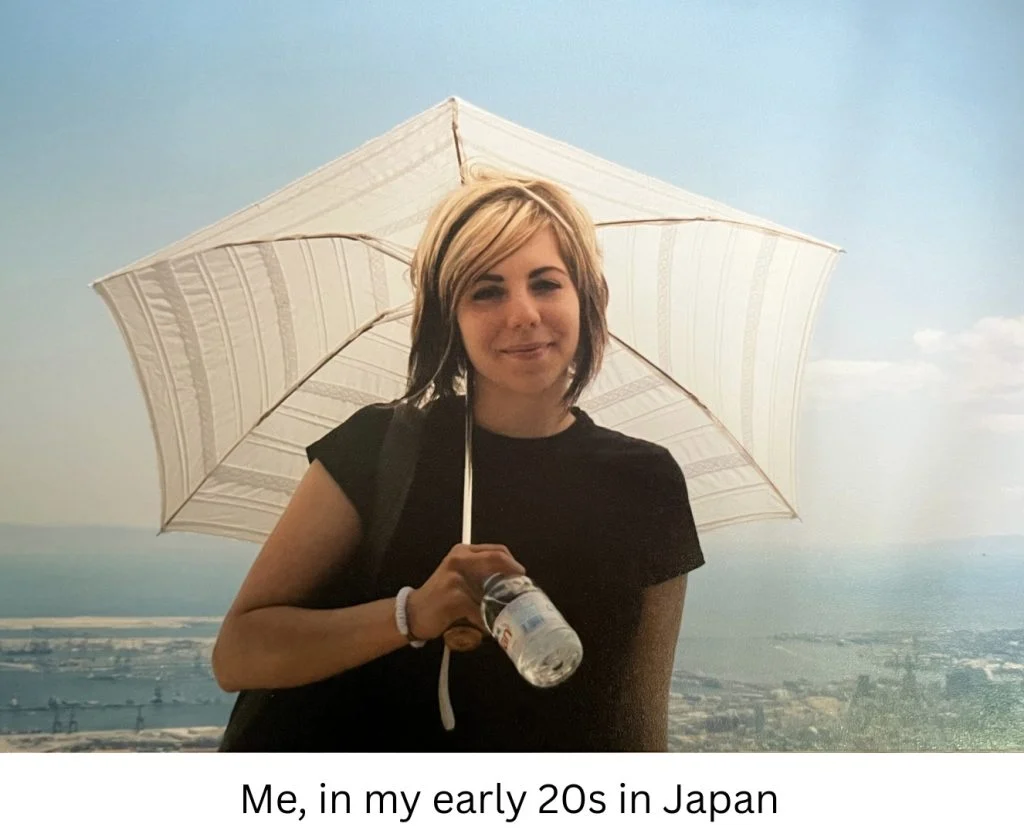
My own journey with this tool began over two decades ago during my time living in Japan. At the time, I had not yet received a formal diagnosis for my symptoms, but I was acutely aware of my inability to tolerate the intense, humid heat of the Japanese summer. Walking between teaching engagements, I found myself increasingly symptomatic.

In Japan, the use of sun umbrellas is not merely a niche practice; it is a cultural norm. Roughly 47.4% of the population utilizes them to combat UV exposure and the oppressive heat of the summer months. Witnessing this widespread adoption, I began to use one myself, initially as a means of managing a severe allergy to chemical sunscreens. I soon discovered that the benefits extended far beyond skin protection. By creating a personal barrier against direct solar radiation, I was able to extend my time outdoors significantly.
From Cultural Norm to Clinical Aid
Over the years, as I transitioned from living in Japan to residing in Switzerland, I maintained the practice. What was once a cultural adaptation became a cornerstone of my medical "toolkit." By integrating the sun umbrella into my daily routine, I transformed the way I interact with the environment. It allows me to participate in social events, walk through urban centers, and enjoy natural landscapes, all while maintaining a more stable autonomic baseline.
Supporting Data: The Physics of Portable Shade
The efficacy of a high-quality sun umbrella is backed by more than just anecdotal evidence. Research published in the Journal of the Meteorological Society of Japan highlights the distinct thermal benefits of UV-blocking parasols.
Thermal Reduction
Studies indicate that a properly constructed UV-blocking umbrella can lower the perceived temperature for the user by approximately 7°F to 9°F (4°C to 5°C). This is achieved by blocking direct shortwave solar radiation, which otherwise would be absorbed by the skin and clothing. For a person whose autonomic nervous system is already struggling to regulate temperature, a reduction of 8 degrees is not merely a minor comfort—it is a physiological buffer that can prevent a threshold-crossing event leading to dizziness or tachycardia.
UV Shielding vs. Heat Absorption
It is crucial to distinguish between a standard rain umbrella and a specialized sun umbrella. While a rain umbrella provides shade, it is often made of materials that absorb and radiate heat, potentially creating a "greenhouse effect" underneath the canopy. Modern sun umbrellas, by contrast, are engineered with:
- Highly reflective outer coatings: Usually silver or white, designed to bounce solar energy away from the user.
- UV-blocking inner linings: Specialized fabrics that provide a UPF (Ultraviolet Protection Factor) rating of 50+, ensuring that not only is the heat reduced, but the damaging effects of radiation are mitigated.
- Lightweight, wind-resistant frames: Essential for individuals with EDS, who may have hand fatigue or joint issues that make heavy umbrellas difficult to carry.
Official Perspectives and Clinical Implications
While the medical community has traditionally focused on hydration, electrolyte supplementation, and cooling vests for dysautonomia, there is a growing recognition that "environmental modification" is a legitimate clinical strategy.
Environmental Control as Treatment
Clinicians specializing in autonomic disorders emphasize that the management of POTS and related conditions is multifactorial. Dr. Julian Stewart, a researcher in orthostatic intolerance, has frequently noted that "avoiding heat triggers" is a primary directive for patients. However, avoiding the outdoors entirely can lead to deconditioning, which in turn worsens POTS symptoms.

The sun umbrella represents a "middle path." It allows for moderate, controlled exposure to the outdoors without forcing the body to overcompensate for excessive thermal load. This aligns with the broader push toward "patient-centered, low-tech interventions." By empowering patients to control their immediate micro-environment, we reduce the cognitive load of constant symptom monitoring.
Implications for Public Spaces
As climate change continues to increase the frequency and intensity of heatwaves, the urban landscape is becoming more hostile to those with autonomic disabilities. The advocacy for "cool cities" often ignores the individual’s need for personal, mobile shade. The increased usage of sun umbrellas—even in Western contexts where they are less common—could serve as a quiet, effective form of accessibility advocacy. When more people use these tools, the stigma of carrying "unusual" gear diminishes, and the infrastructure of public health becomes more resilient.
Strategies for Implementation
For those looking to integrate a sun umbrella into their summer management plan, consider the following checklist:
- Prioritize UPF Ratings: Ensure the umbrella is rated UPF 50+ to maximize both heat and radiation blocking.
- Weight Matters: Given the frequency of joint hypermobility in EDS patients, look for carbon-fiber or lightweight aluminum frames that minimize wrist and shoulder strain.
- Wind Resistance: Look for "vented" canopies that allow for airflow, preventing the umbrella from turning inside out on breezy days.
- Hands-Free Options: For those who use walking aids, consider specialized mounts that can attach to mobility devices, ensuring the umbrella stays in place without requiring constant manual adjustment.
Conclusion: The Simplicity of Empowerment
Managing life with Ehlers-Danlos syndrome and dysautonomia requires a constant balancing act. We are often told to look for complex medical solutions, yet some of the most effective interventions are remarkably simple.
A sun umbrella does not cure dysautonomia, nor does it replace the need for hydration, electrolytes, or prescribed medications. However, it provides a crucial layer of defense against a trigger that is often unavoidable. By bringing your own patch of shade, you reclaim a measure of control over your physical state.
In a world that is increasingly hot and often unpredictable, the decision to carry a sun umbrella is more than a preference—it is a proactive commitment to your own well-being. It is a declaration that you deserve to participate in the world, even when the world is less than accommodating to your body’s specific needs. This summer, consider adding this elegant, effective, and profoundly simple tool to your arsenal. Your autonomic nervous system may just thank you for it.